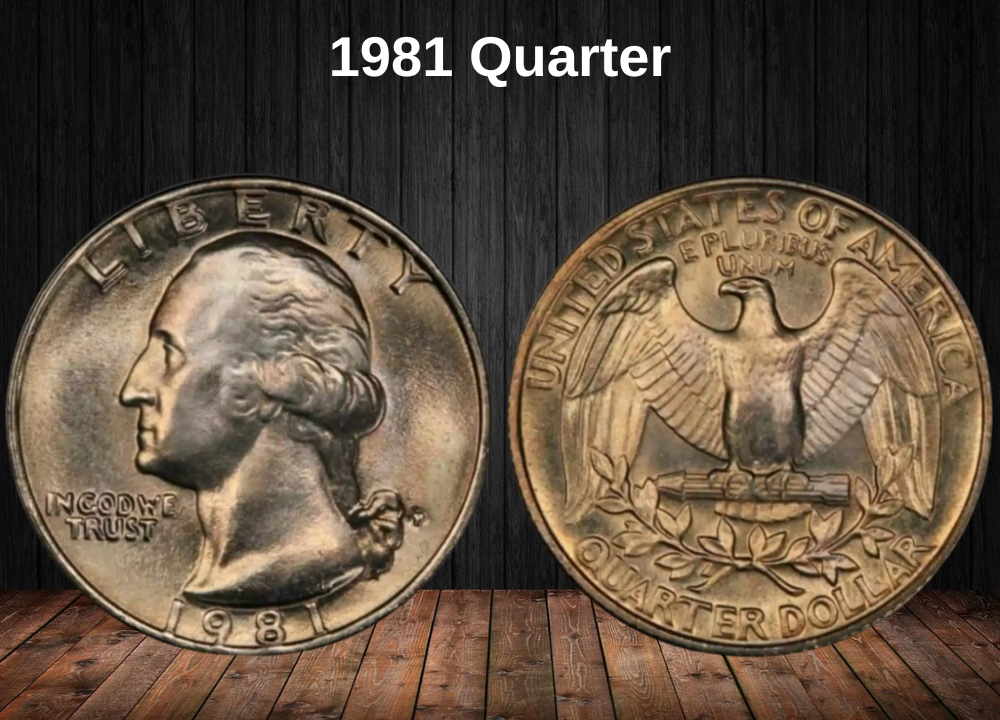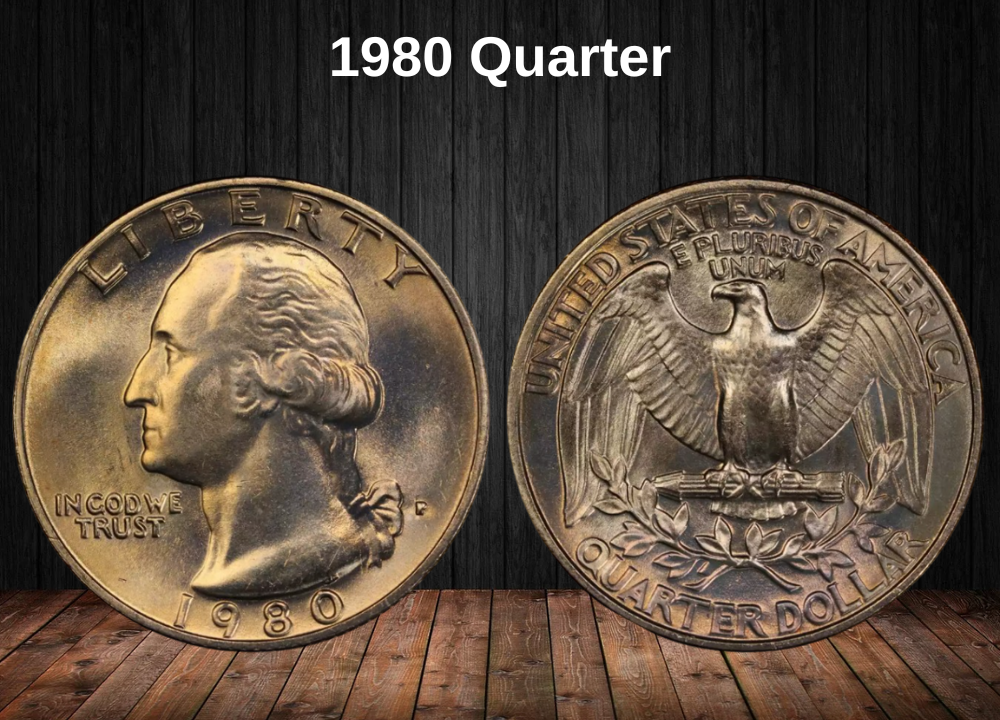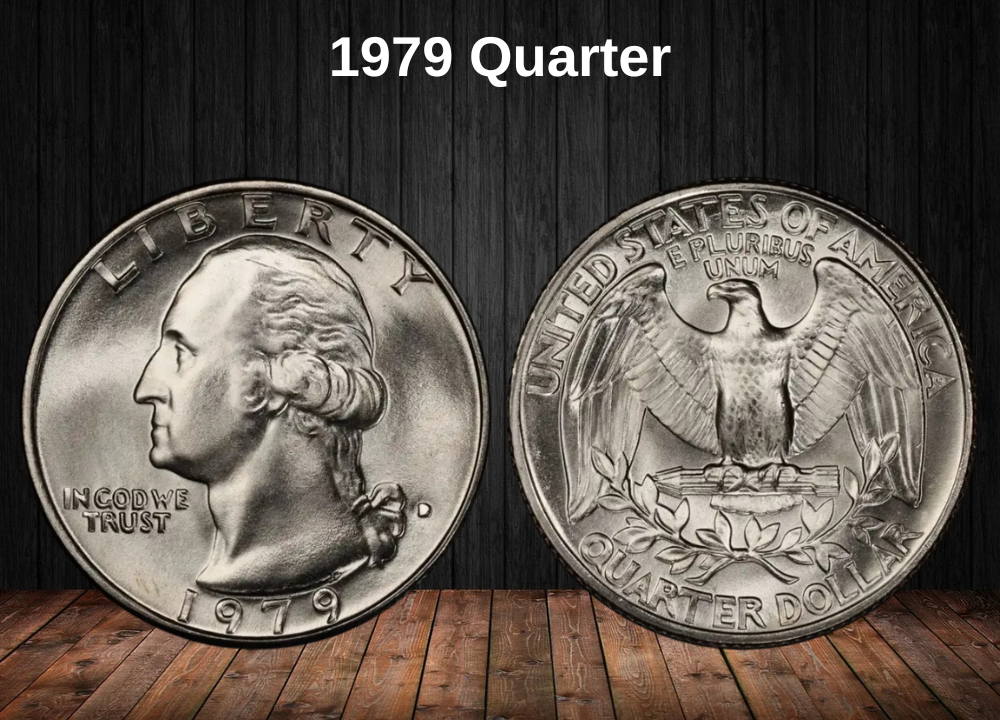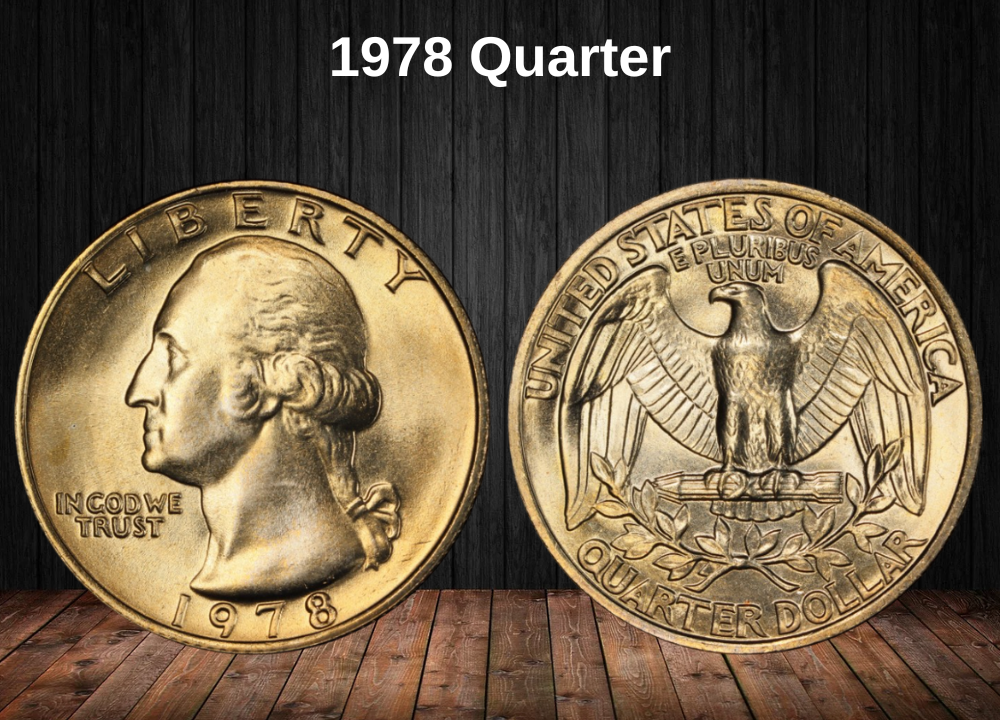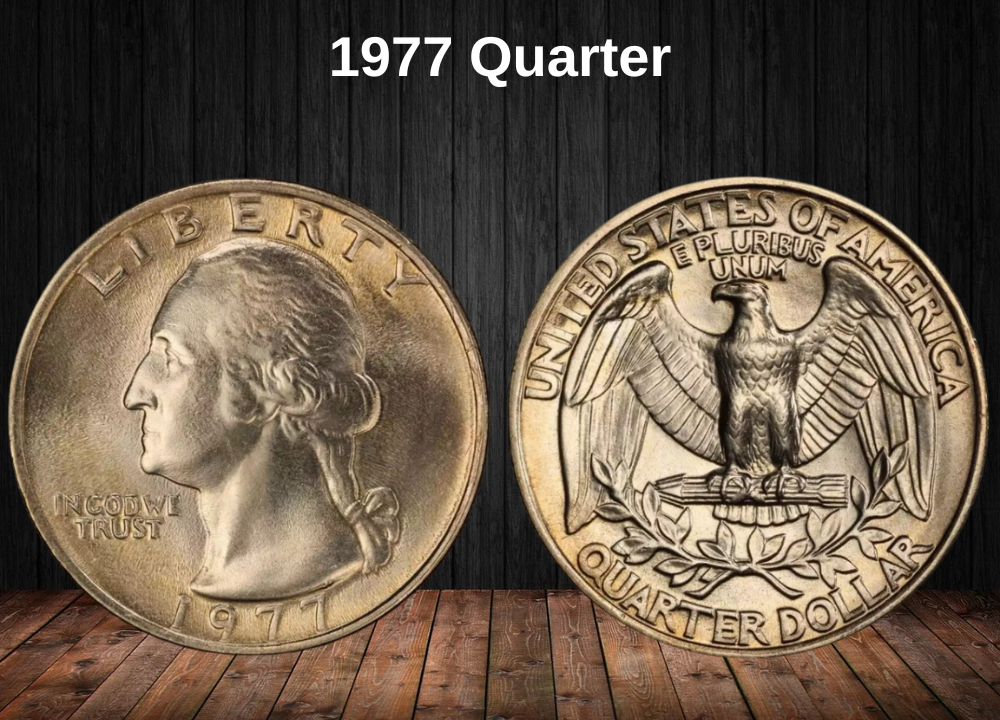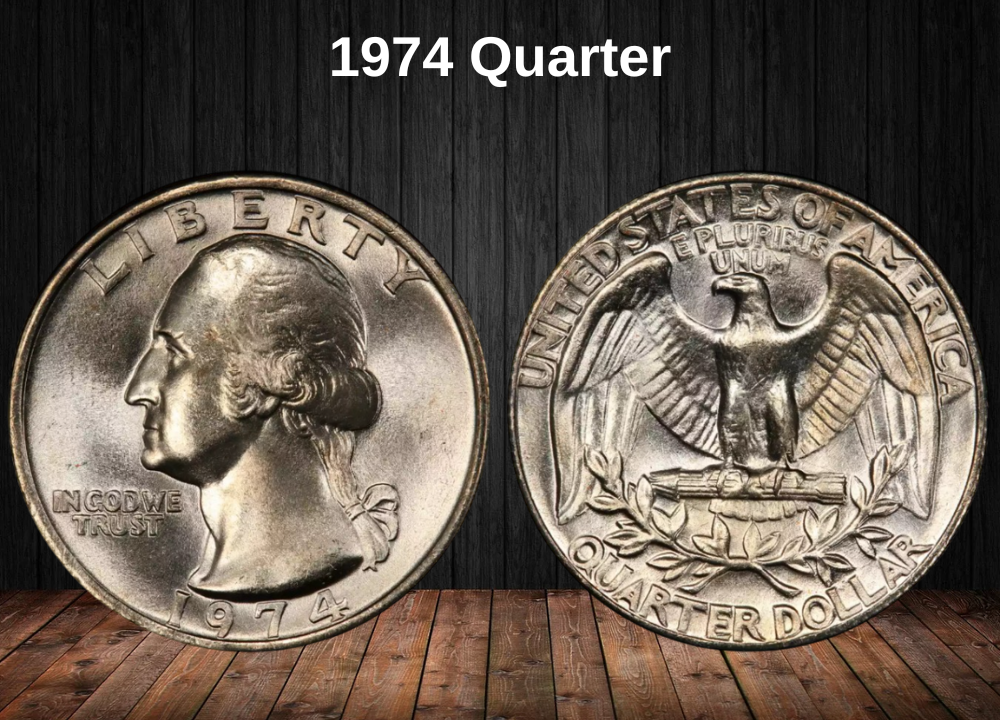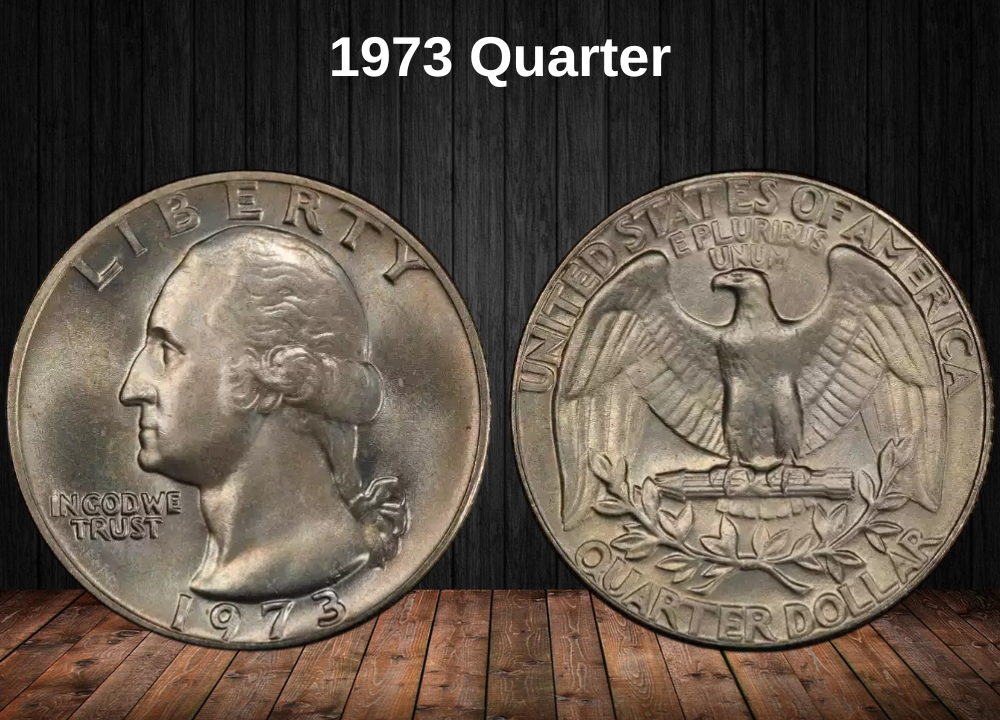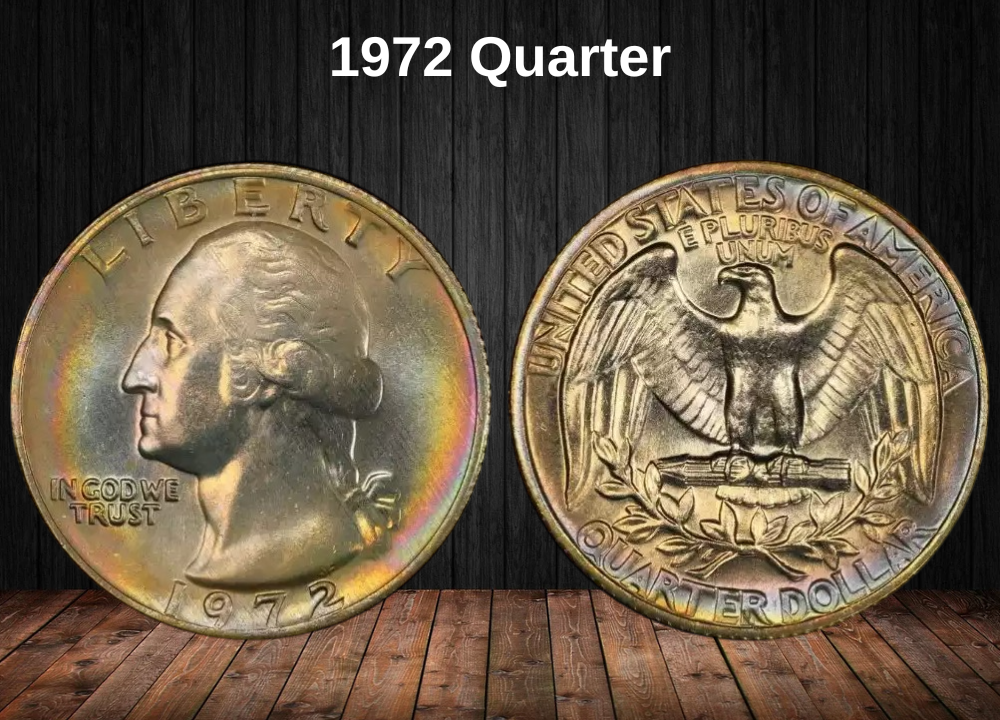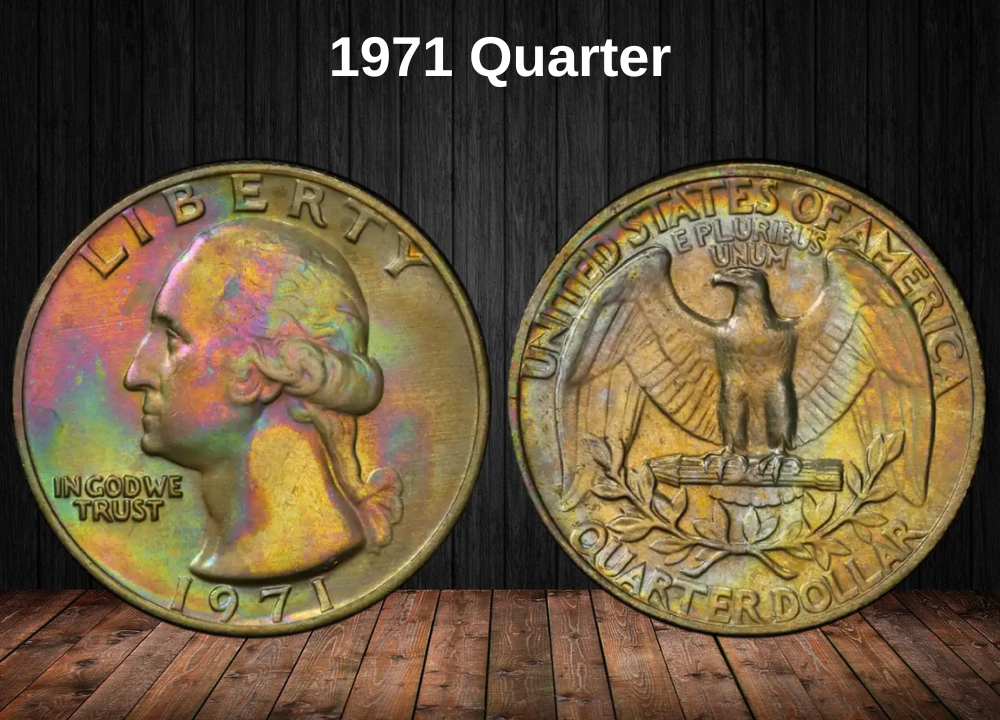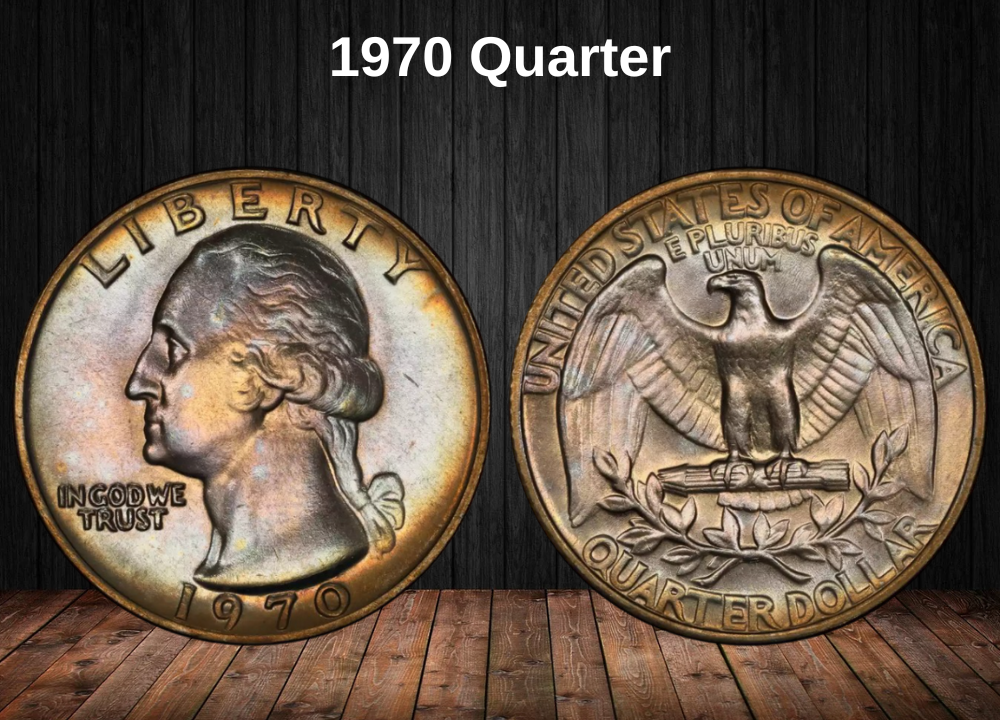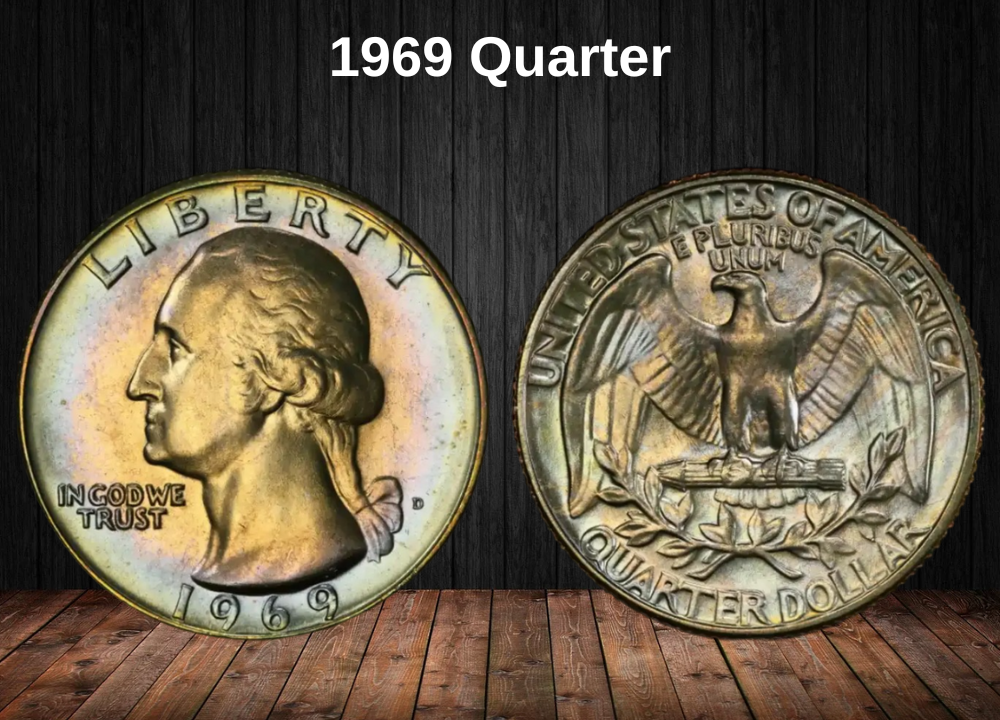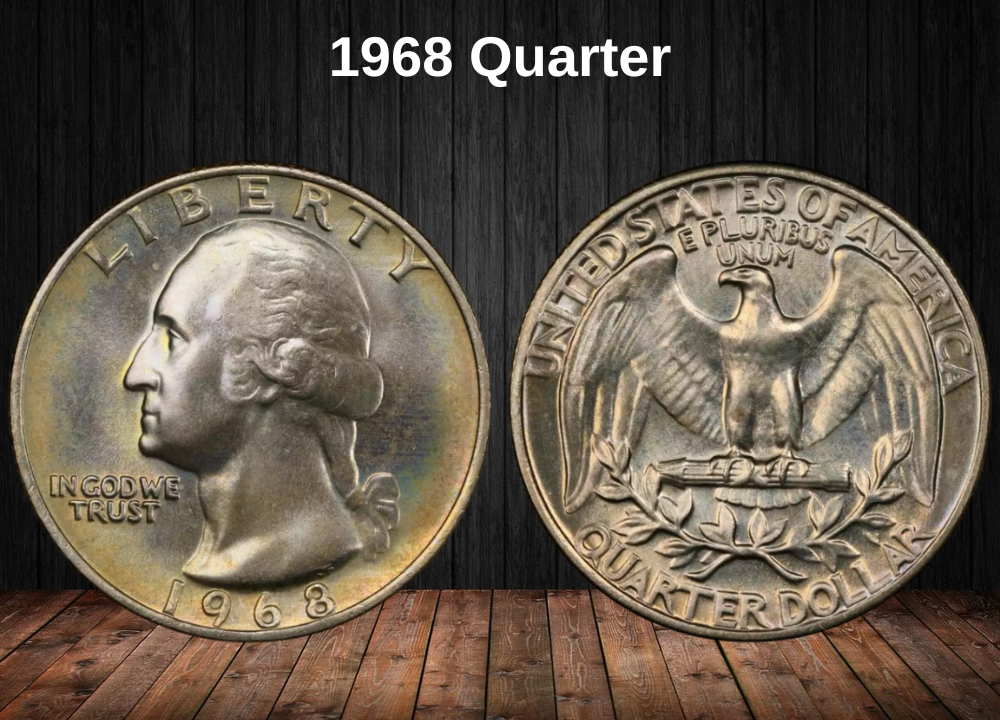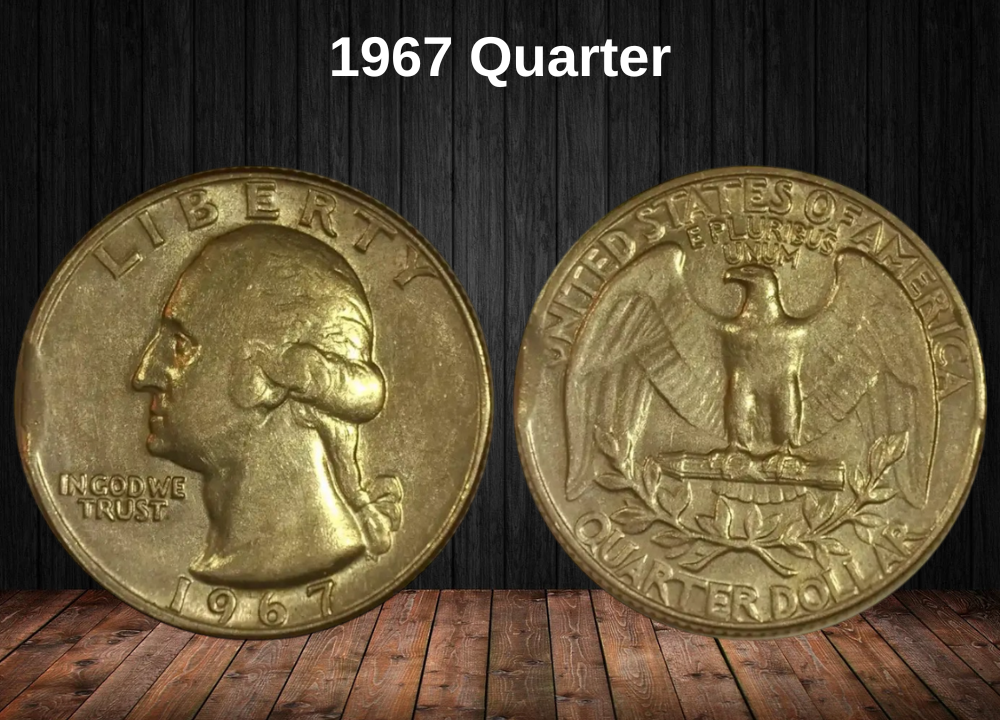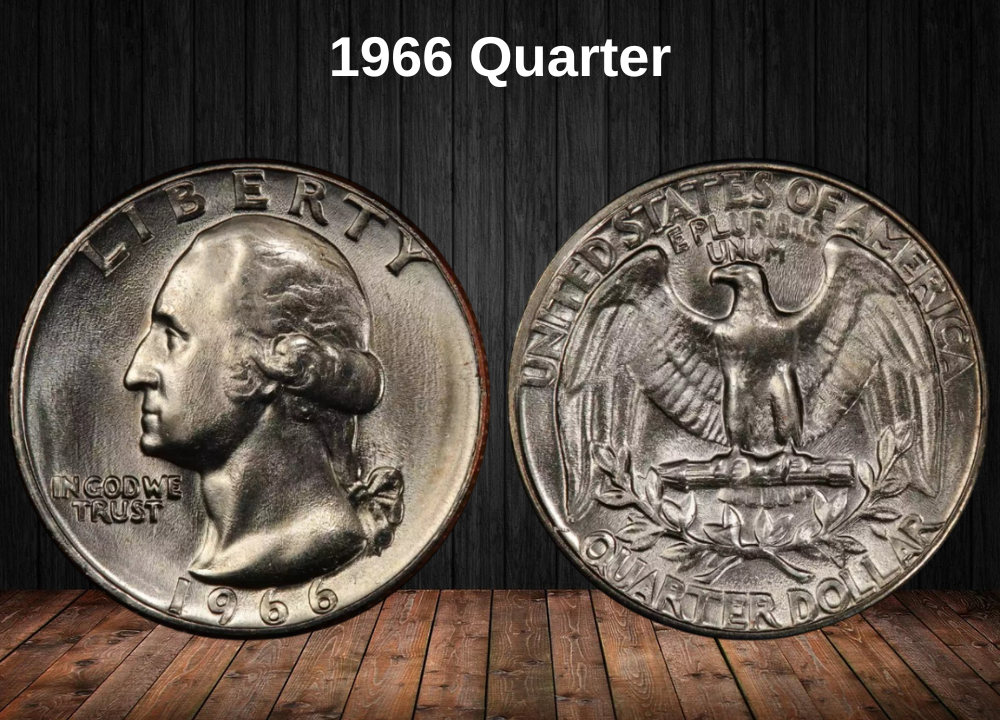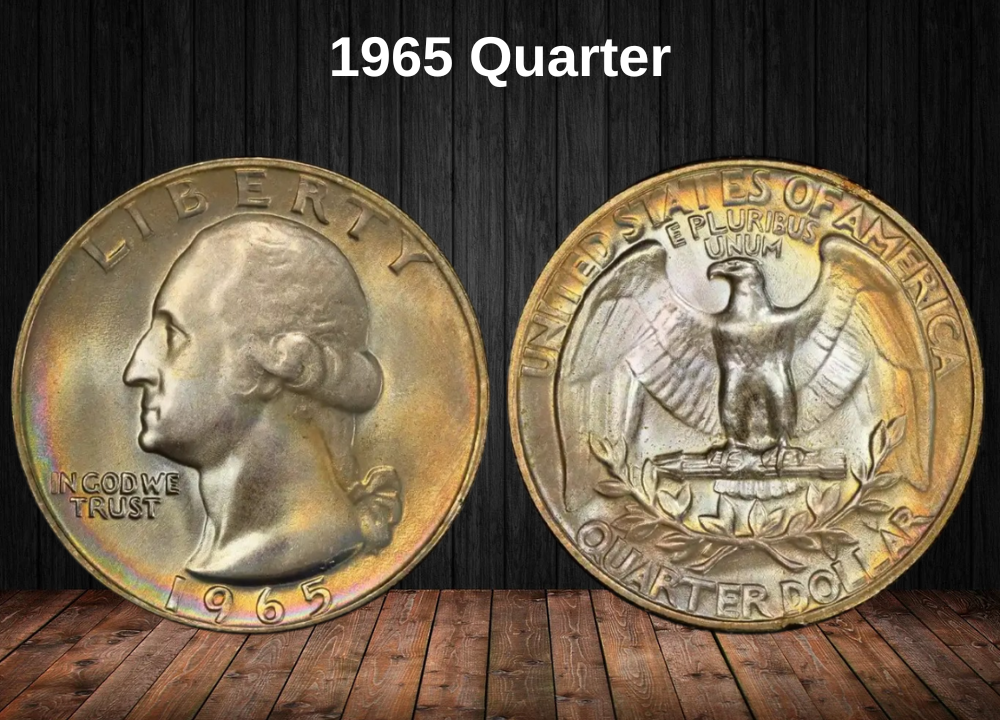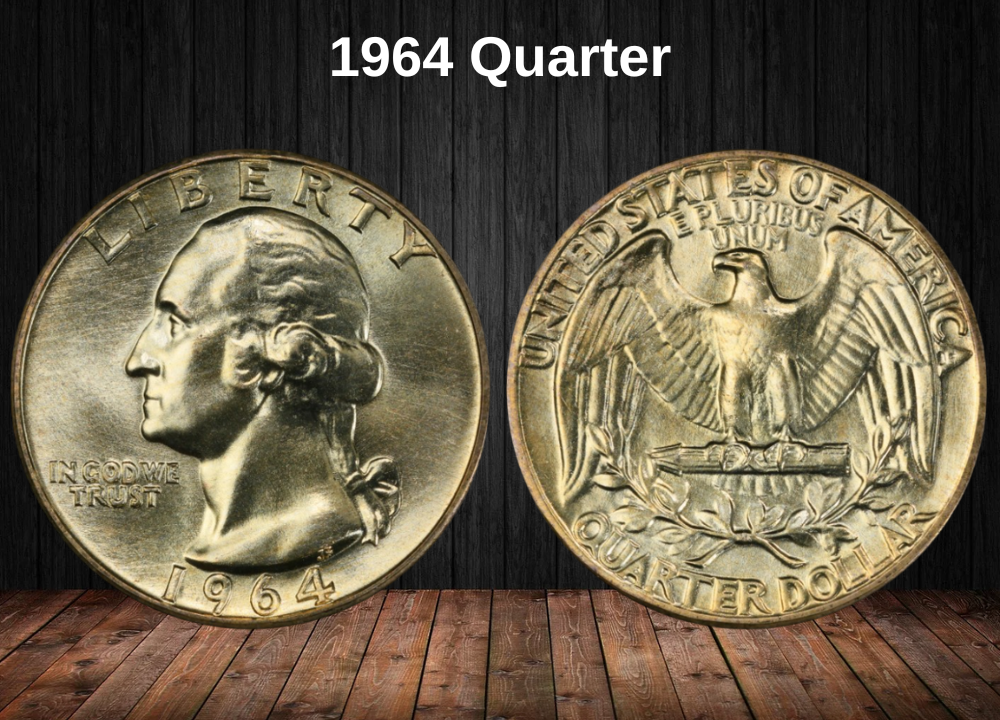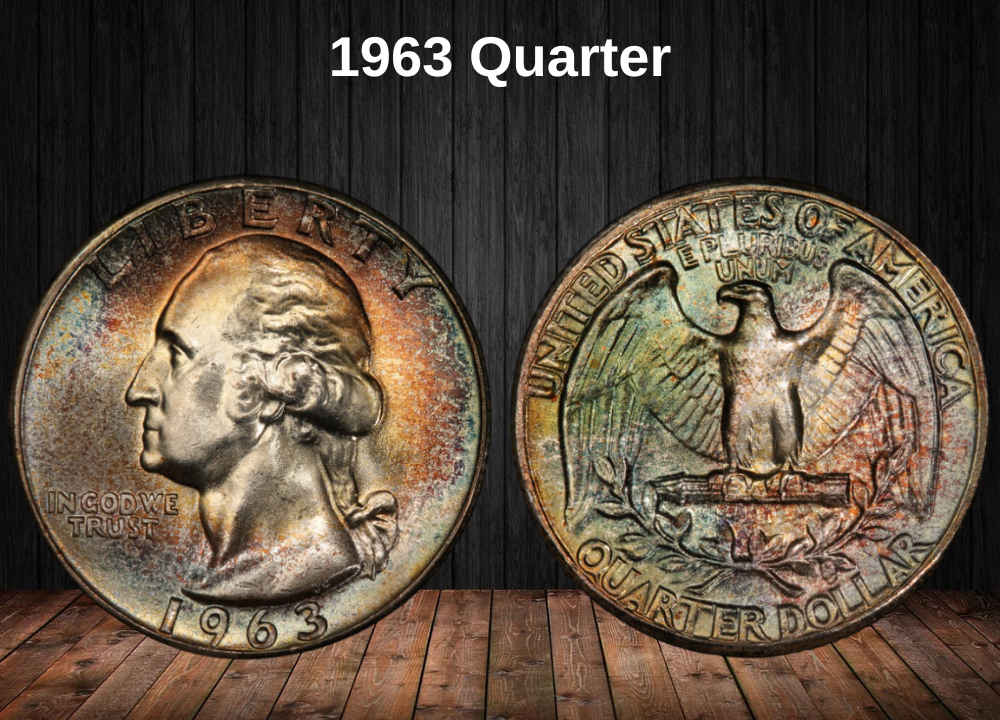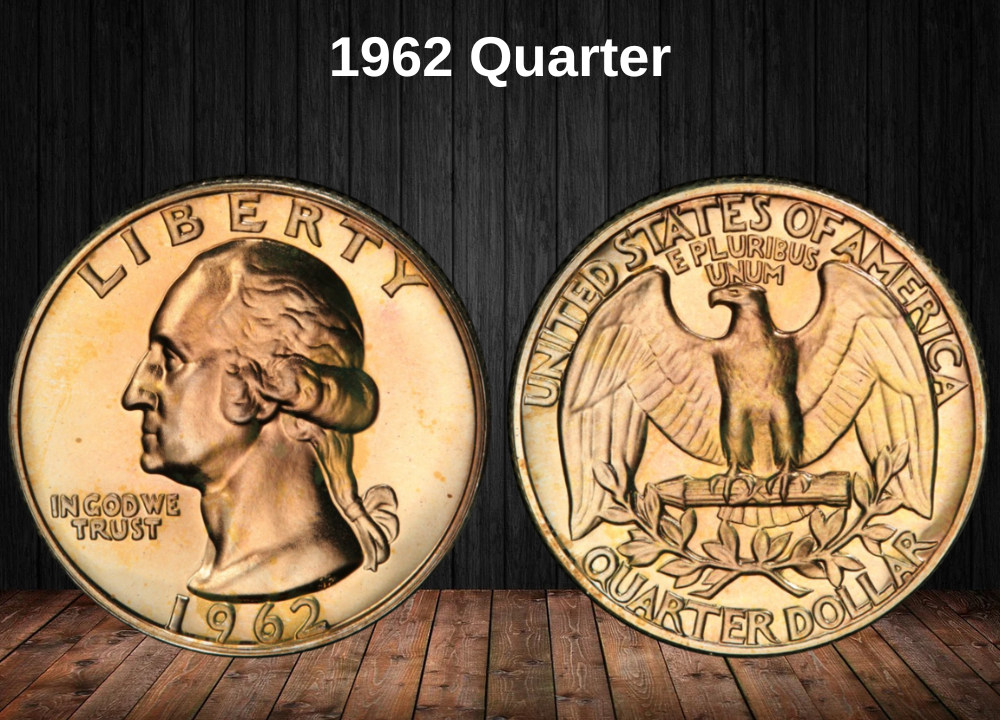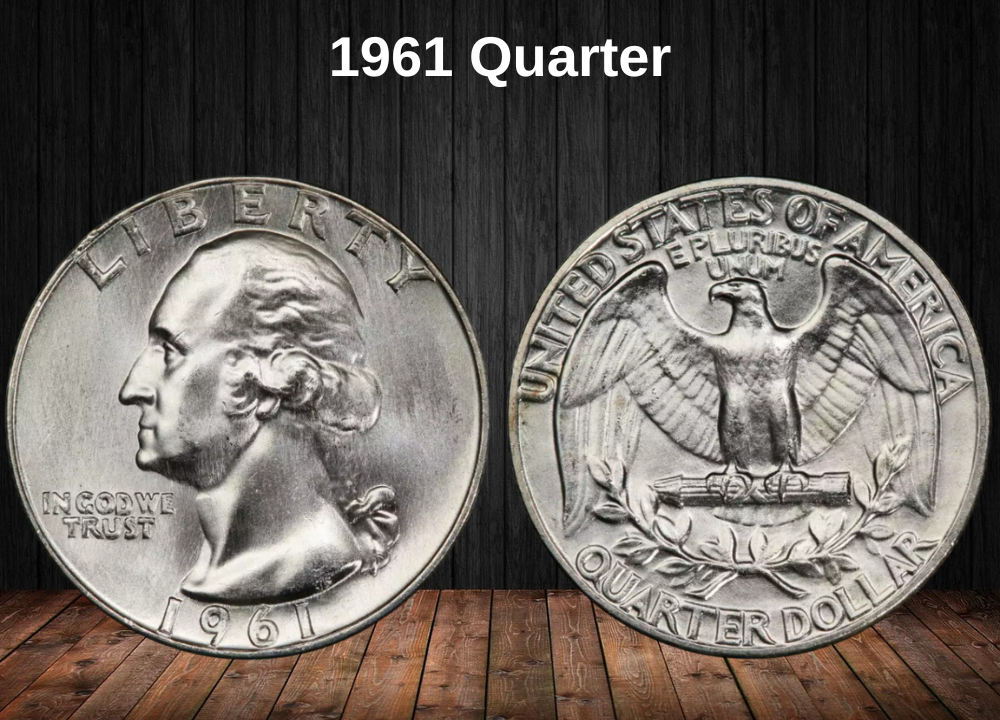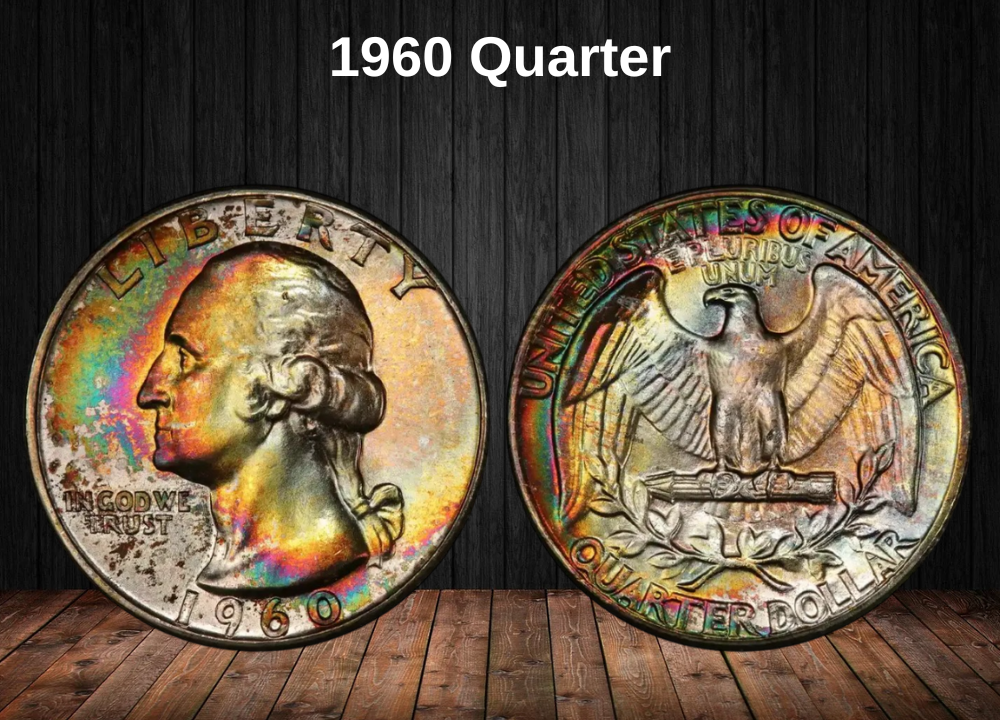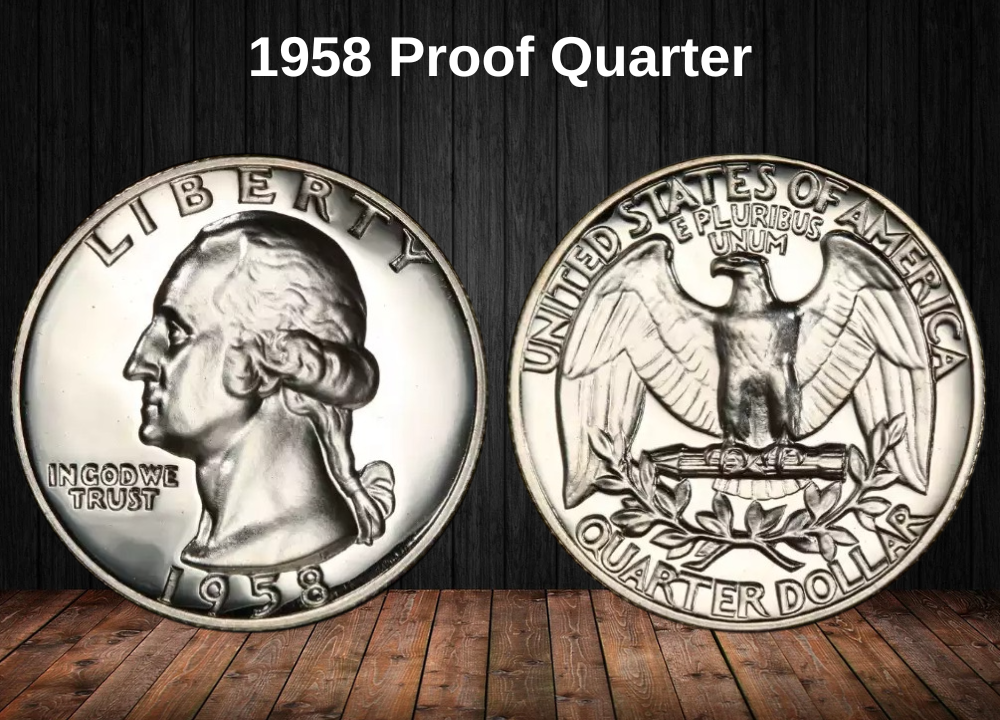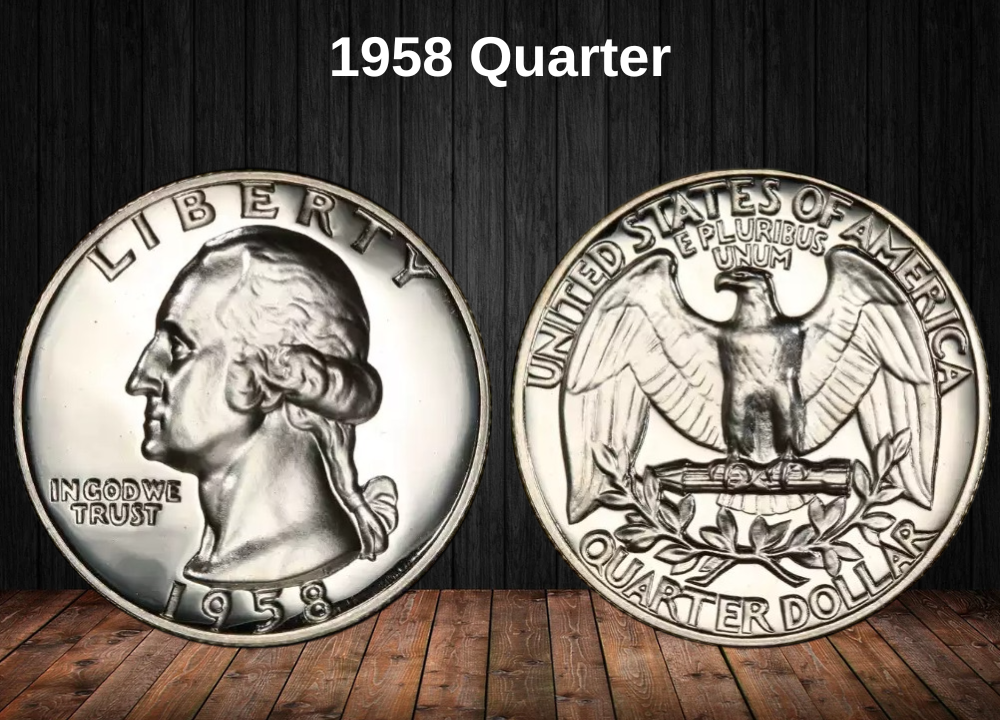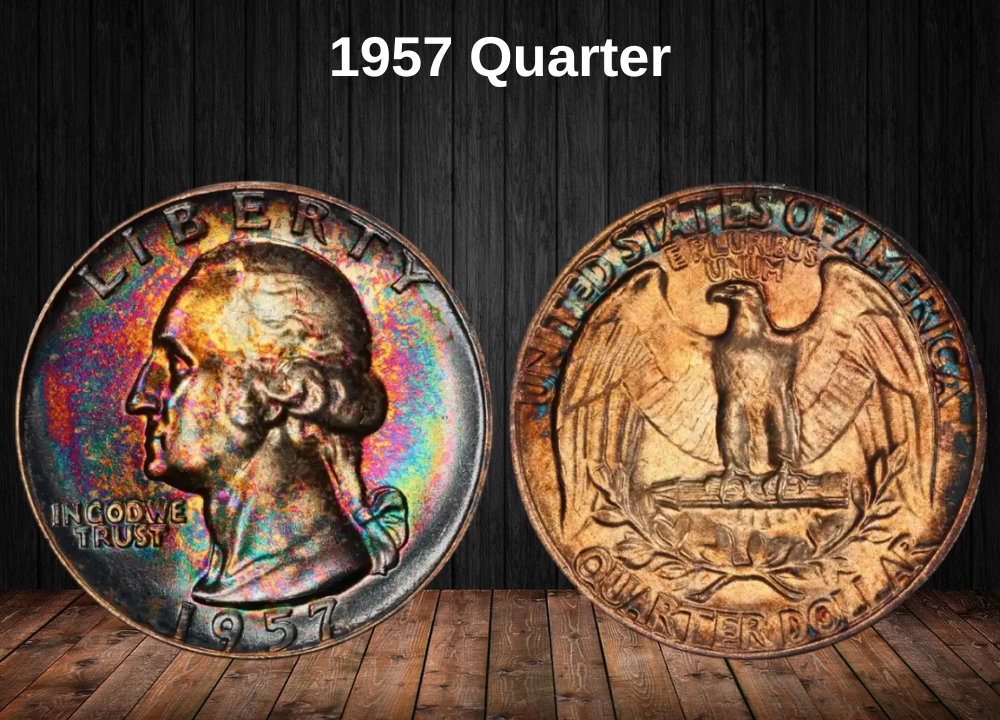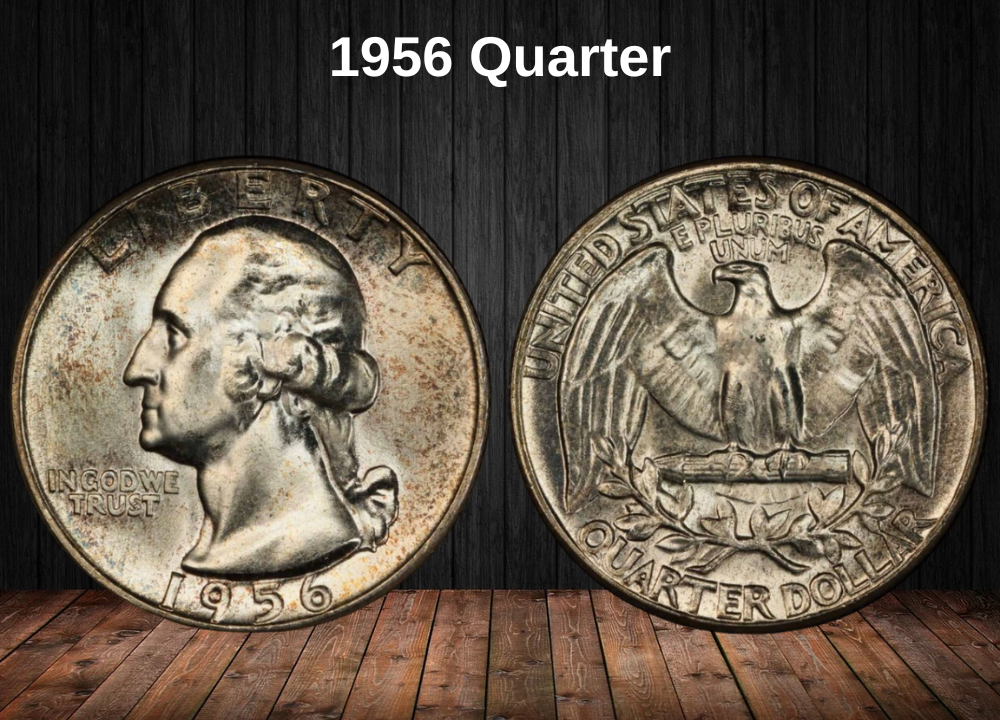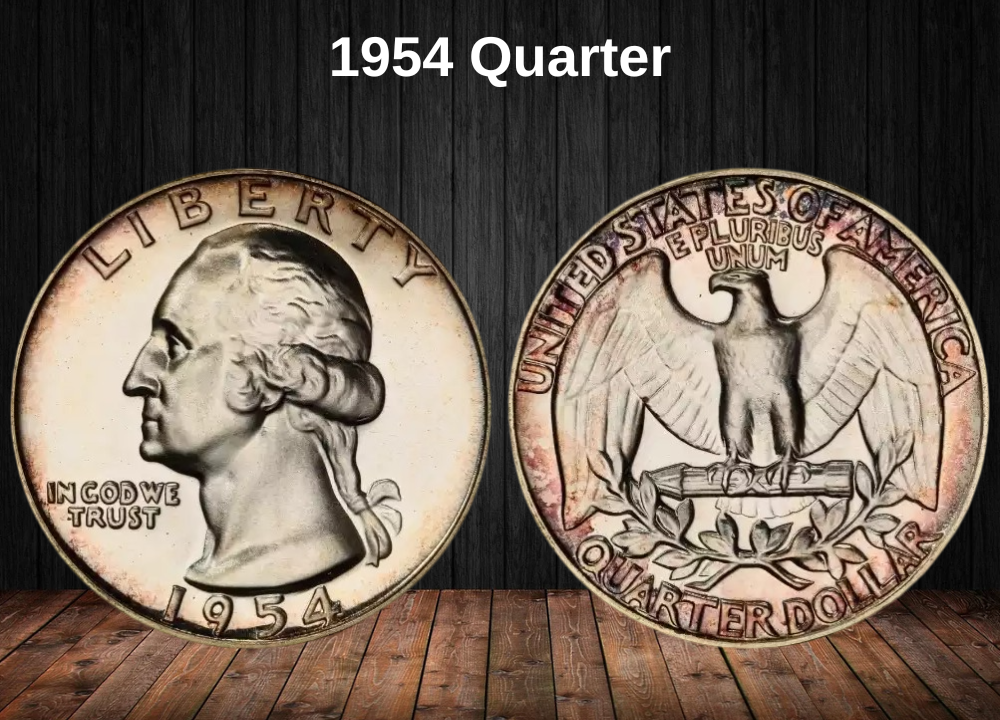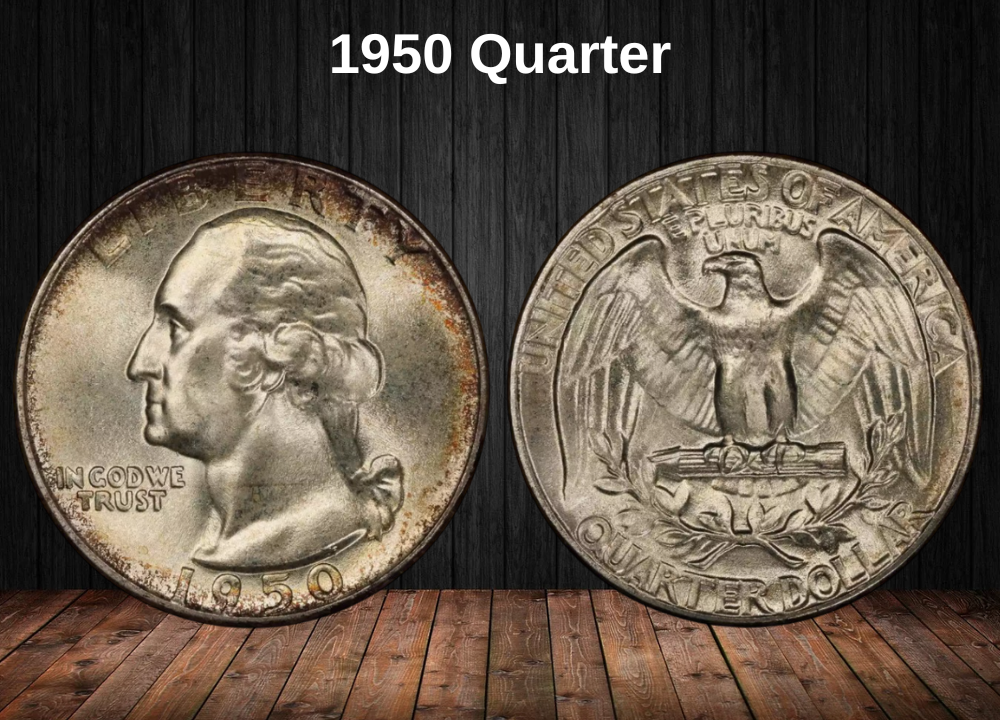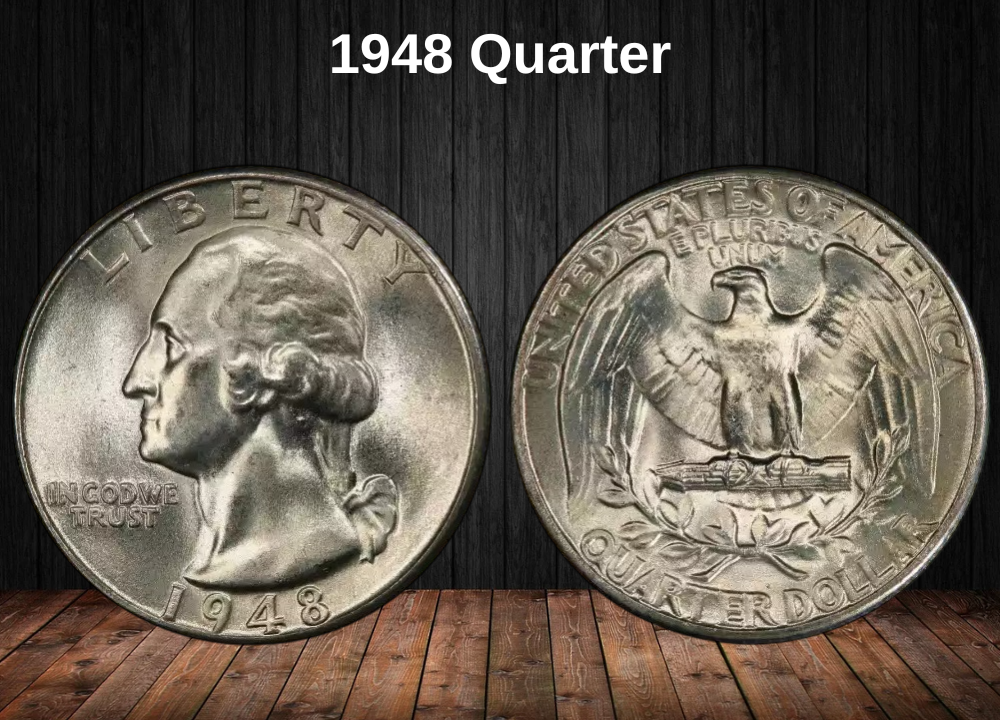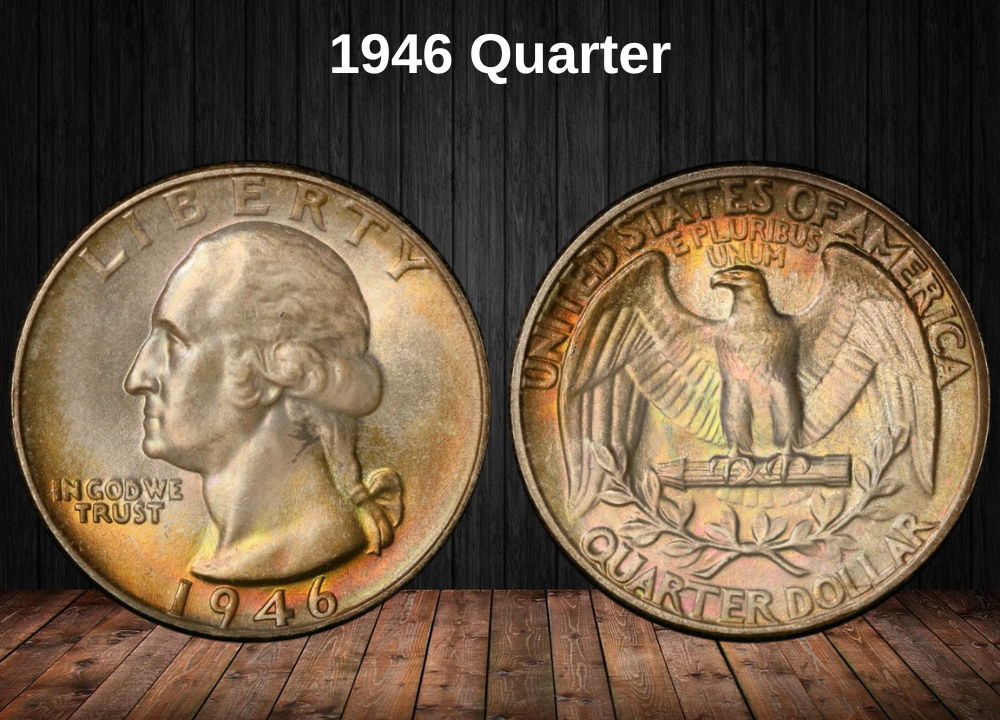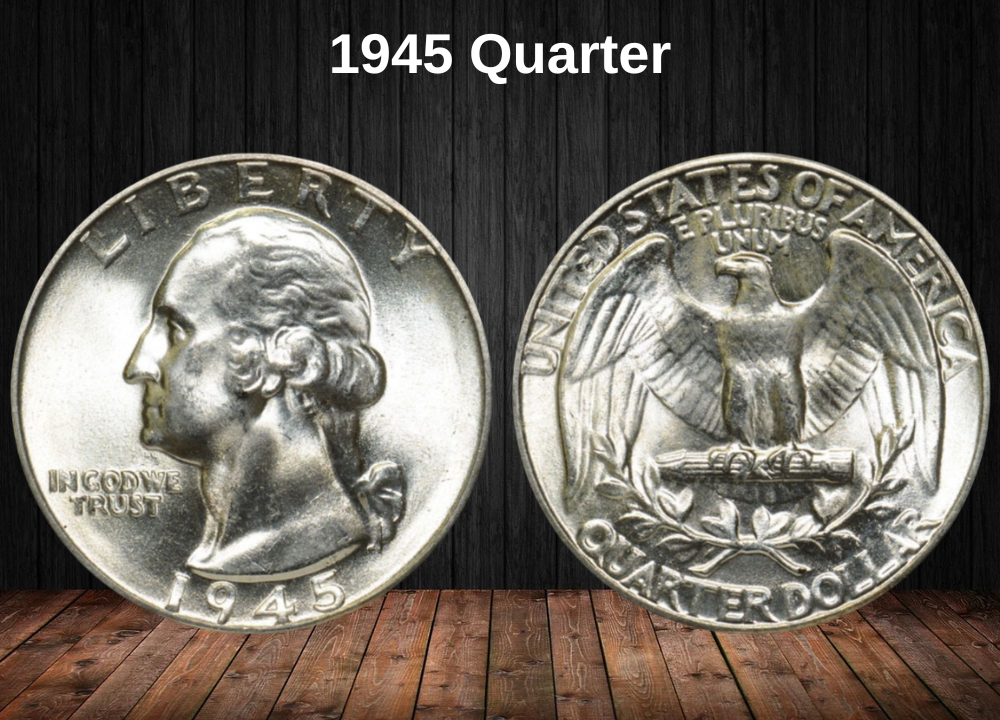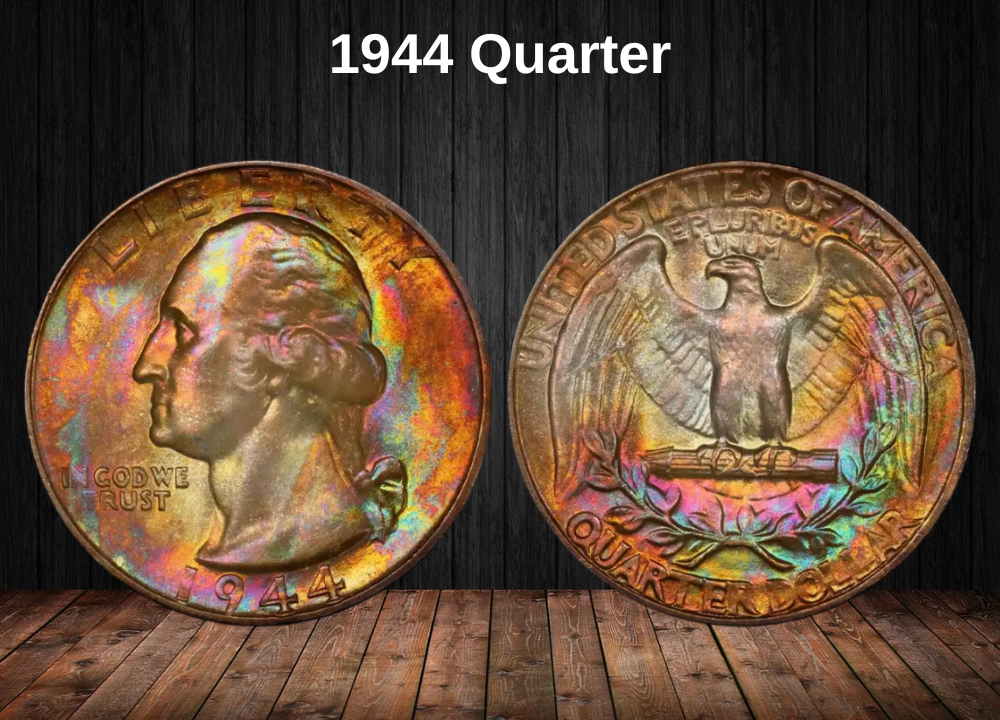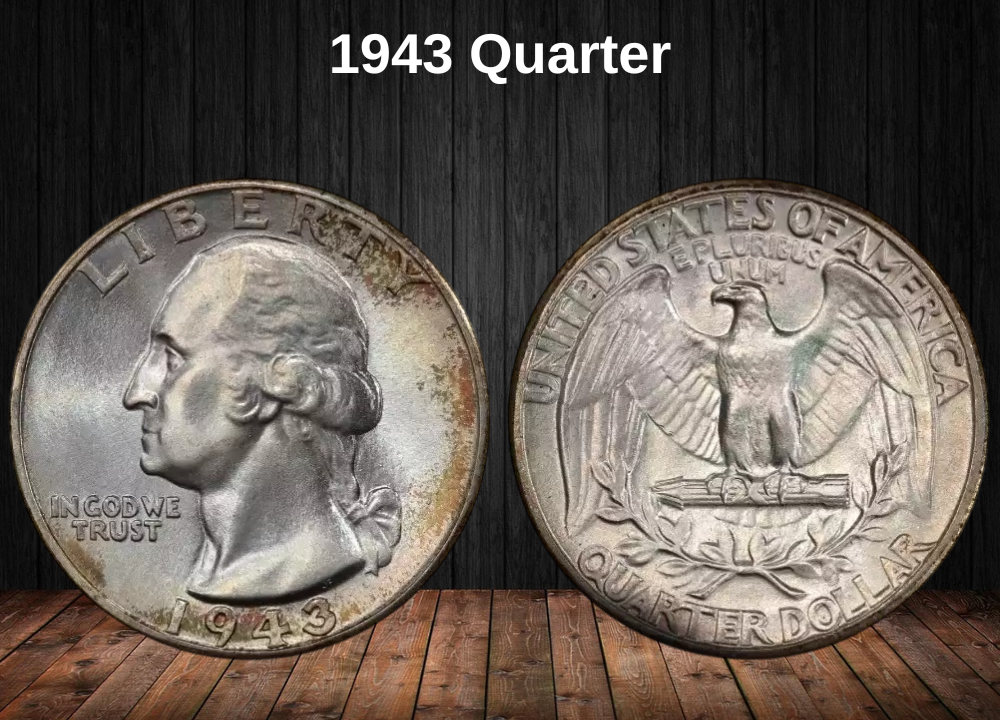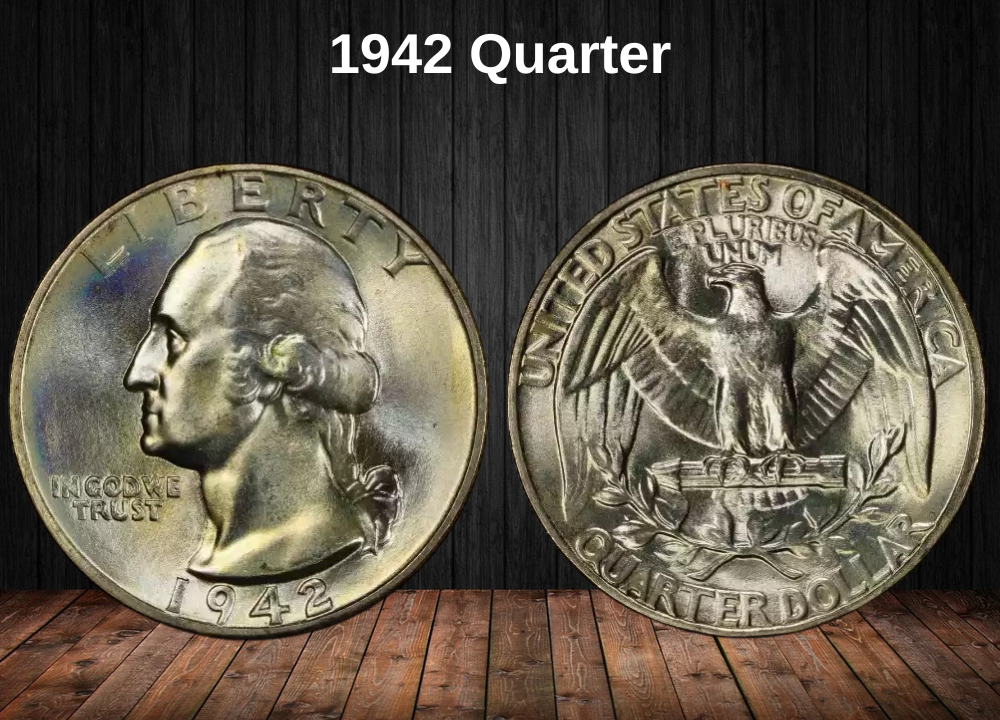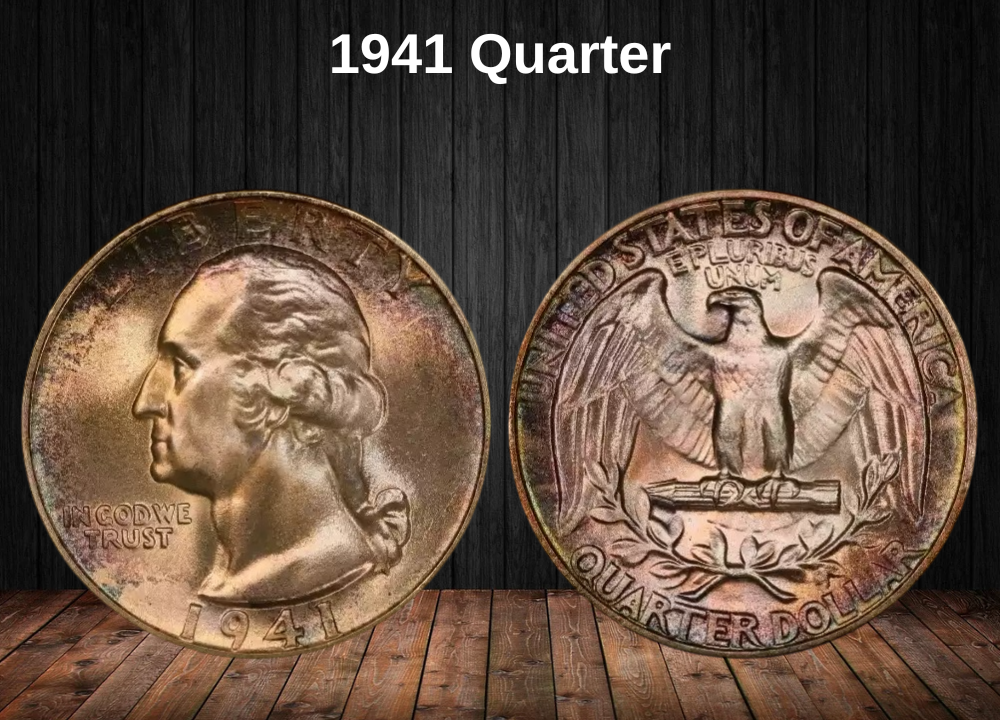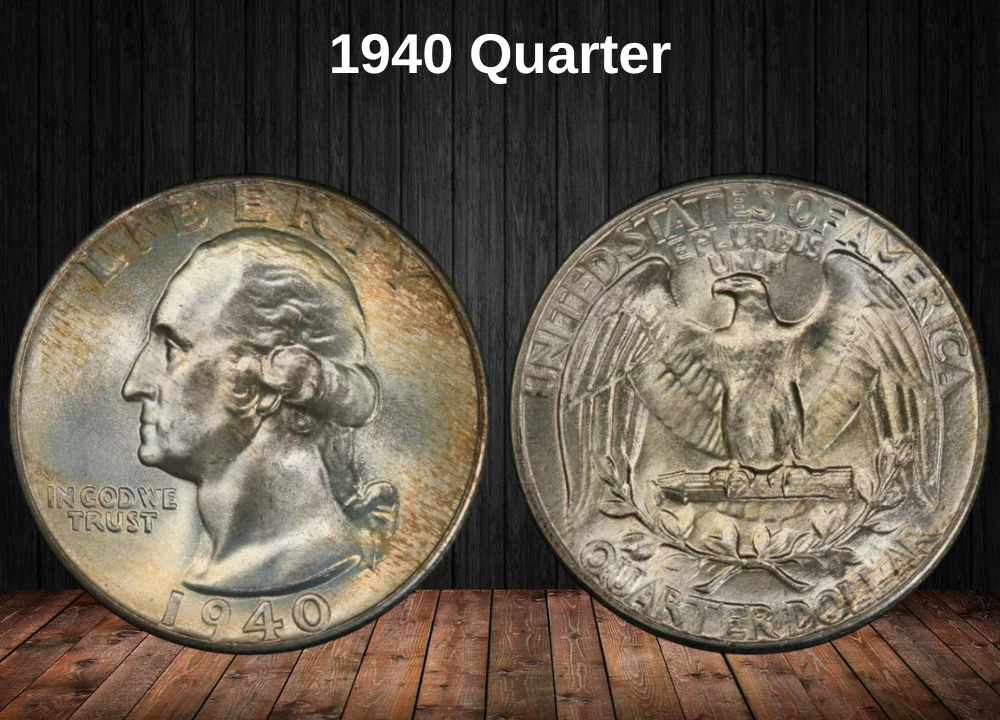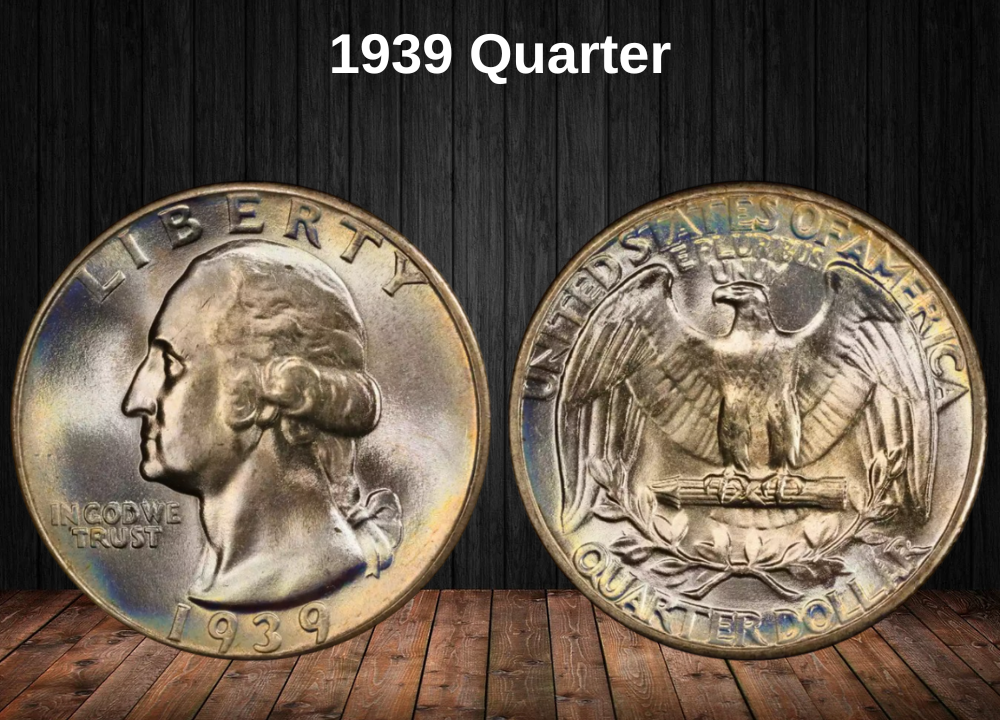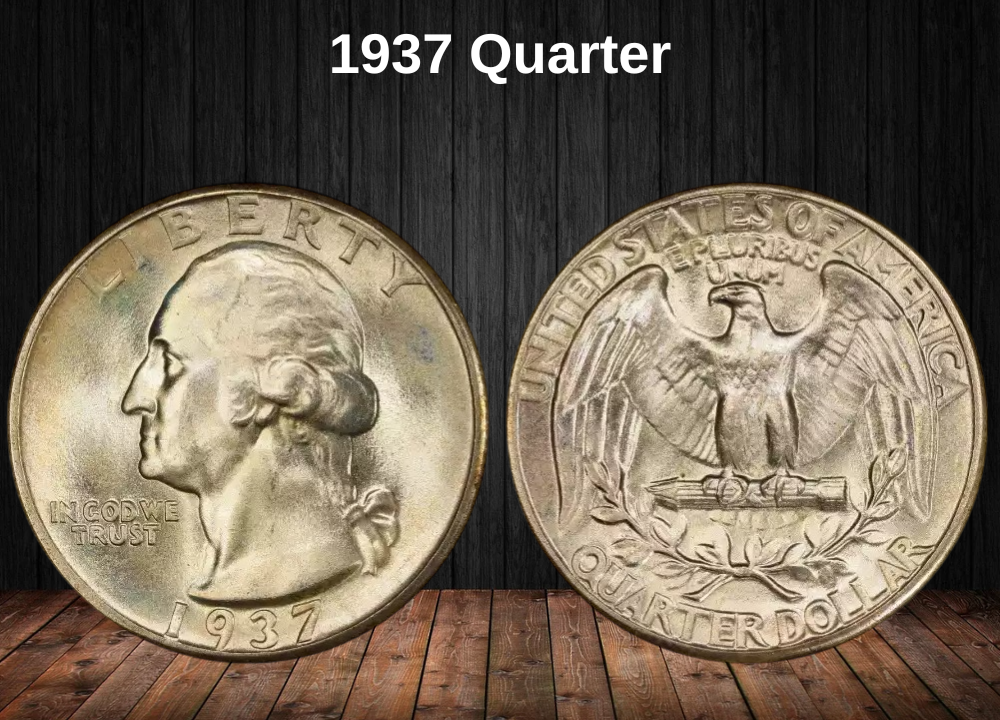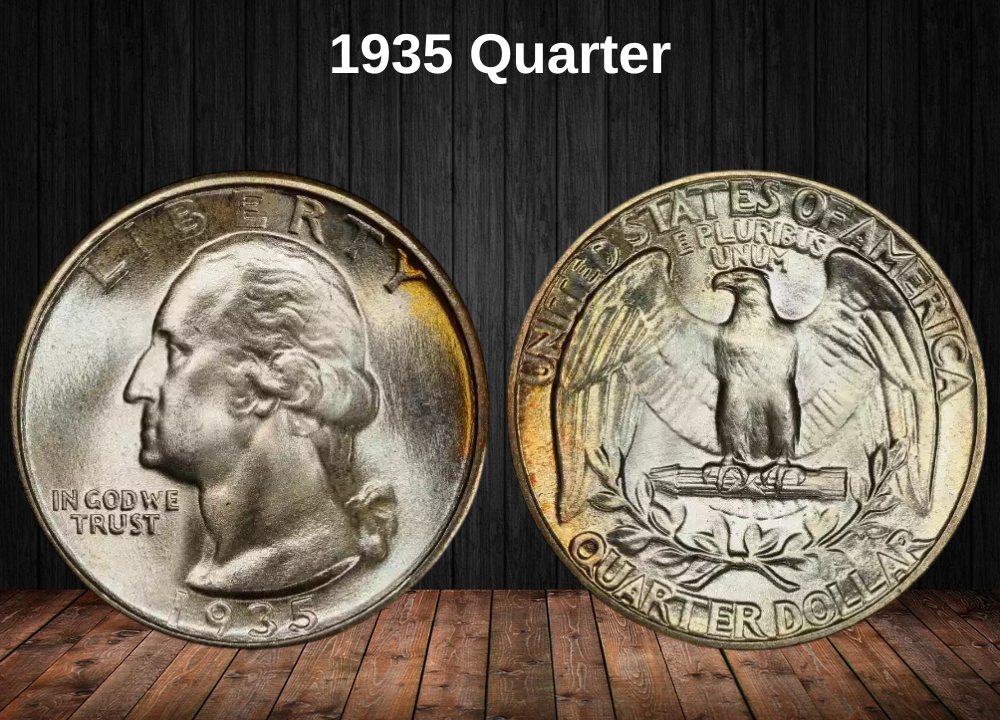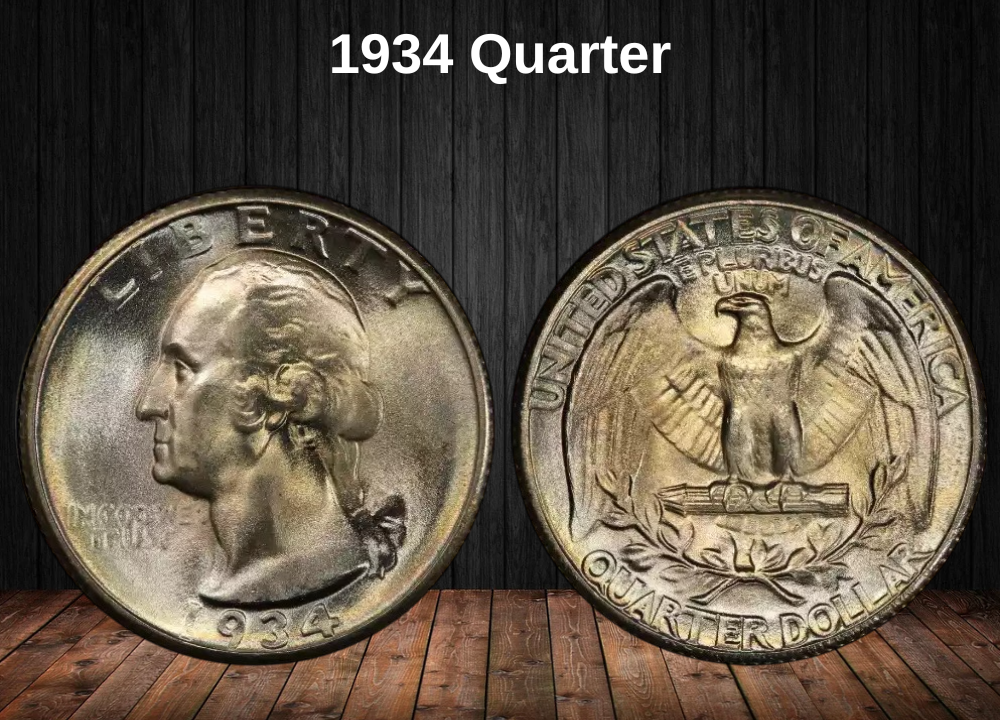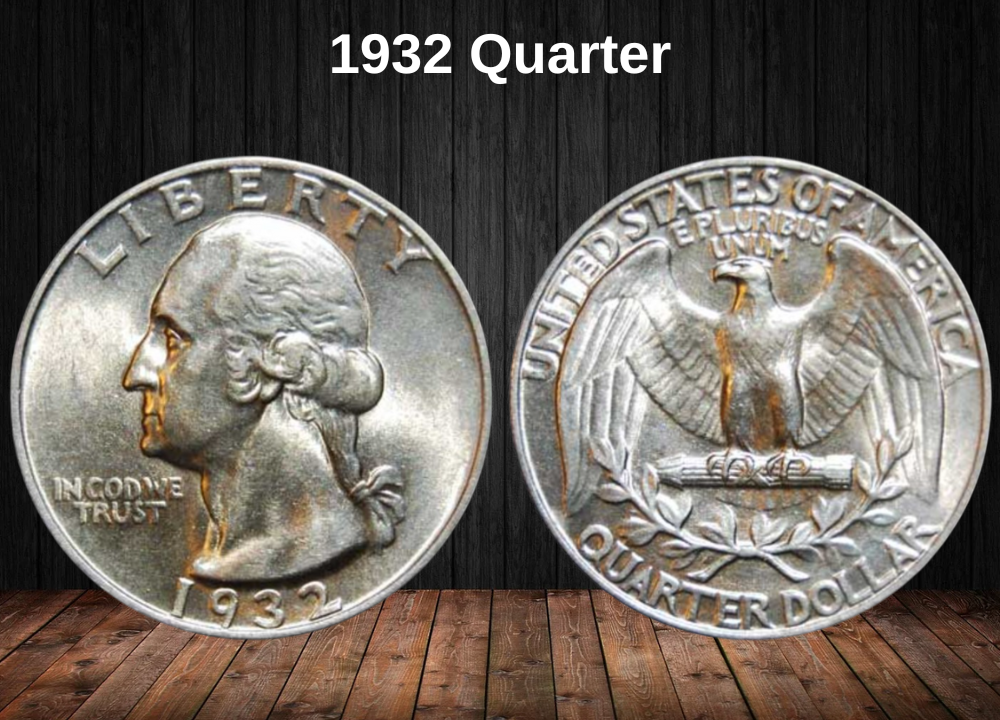
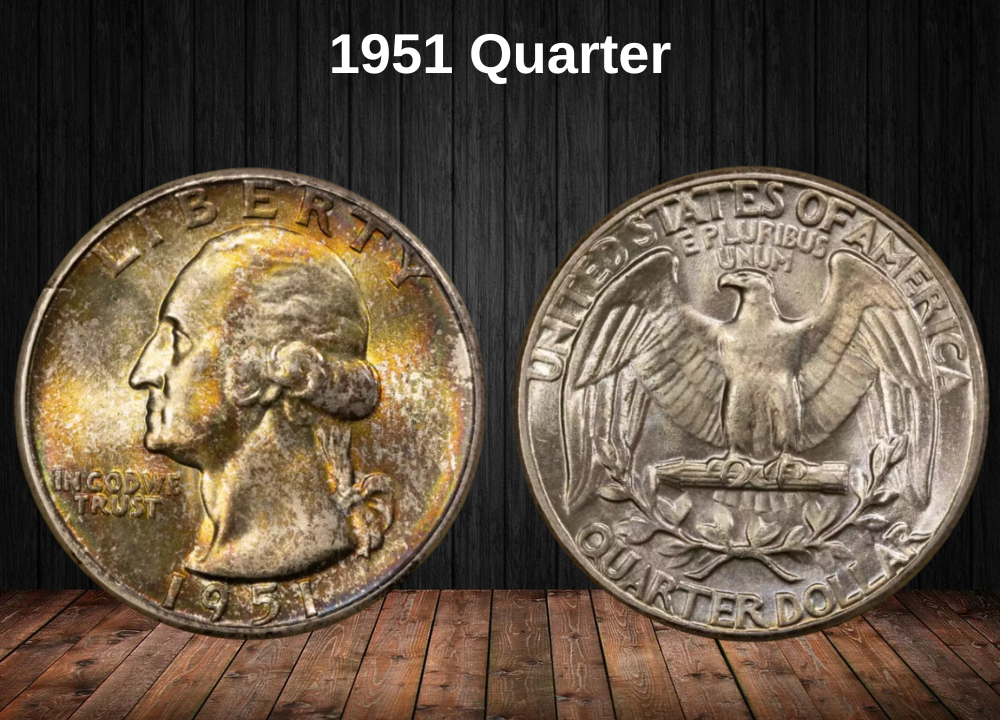
The 1951 Washington Quarter reflects a turbulent yet transformative moment in American history. As the nation grappled with the Korean War under President Harry Truman, the U.S. Mint continued producing Washington quarters—coins that had already served the country since 1932.
That same year saw the opening of the United Nations headquarters in New York City and the cultural milestone of “I Love Lucy” debuting on television. Amid these historic events, the Mint struck quarters in Philadelphia, Denver, and San Francisco, as well as a limited Proof run in Philadelphia.
Like all quarters from 1932 to 1964, these coins were made of 90% silver, giving them an intrinsic value floor. Circulated 1951 quarters typically trade between $6 and $8, while pristine Mint State examples and rare Proofs can command much higher premiums.
1951 Quarter Value by Variety
| Type | Good | Fine | About Uncirculated (AU) | Mint State (MS) | Proof (PR) |
|---|---|---|---|---|---|
| 1951 (No Mint Mark – Philadelphia) | $6.00 | $6.17 | $7.00 | $21.00 | — |
| 1951-D (Denver) | $6.00 | $6.17 | $7.00 | $22.50 | — |
| 1951-S (San Francisco) | $6.00 | $6.17 | $8.00 | $30.83 | — |
| 1951 Proof | — | — | — | — | $52.00 |
| 1951 CAM Proof | — | — | — | — | $176.00 |
| 1951 DCAM Proof | — | — | — | — | $4,962.50 |
History of the 1951 Quarter
The 1951 Washington Quarter is part of the long-running Washington Quarter series, first introduced in 1932 to commemorate the 200th birthday of George Washington.
Back in 1930, Congress formed the George Washington Bicentennial Committee to oversee the celebrations, including the creation of a new coin. Initially, the committee suggested that Washington’s portrait appear on the half dollar, replacing the Walking Liberty design. However, Congress decided instead to place Washington on the quarter dollar, retiring Hermon MacNeil’s Standing Liberty Quarter.
The committee had also assumed that sculptor Laura Gardin Fraser, who had designed a popular Washington commemorative medal, would be chosen to adapt her design for the coin. To their surprise, Treasury Secretary Andrew Mellon rejected Fraser and instead launched a new competition.
The winner of that contest was John Flanagan, whose design—after several revisions—entered production in July 1932. By August, the first Washington Quarters were in circulation, featuring:
- Obverse: A left-facing bust of George Washington
- Reverse: A heraldic eagle with spread wings
This design became permanent and continued through the 1950s, including the 1951 issue, all struck in 90% silver. The silver composition remained until 1965, when the Mint switched to copper-nickel due to the rising cost of silver.
Thus, the 1951 quarter not only reflects its specific moment in post-war America but also stands as part of the larger Washington Quarter
Key Features of the 1951 Quarter
Familiarizing yourself with the features of the 1951 Washington Quarter helps collectors and investors determine both authenticity and value. By studying the obverse and reverse attributes, as well as technical specifications, you can properly grade your coin and assess its market worth.
Obverse Design
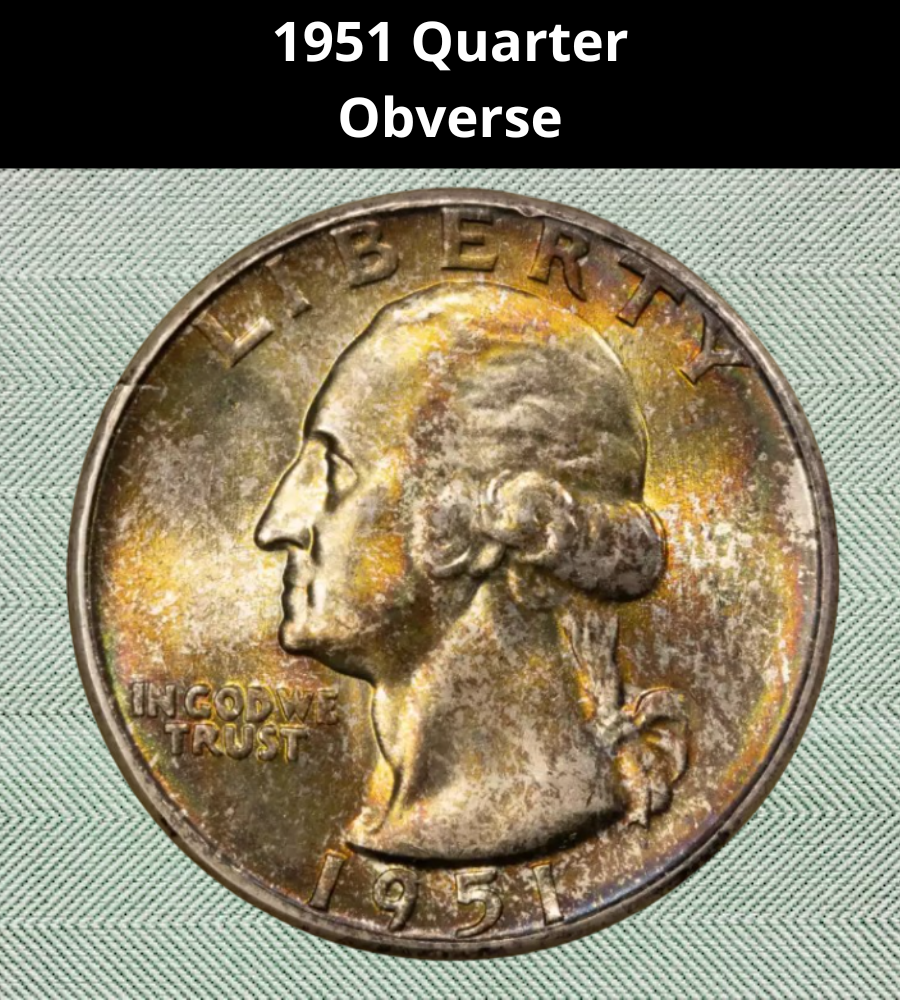
- Portrait: George Washington’s left-facing bust dominates the obverse.
- Inscriptions:
- LIBERTY at the top around the rim.
- IN GOD WE TRUST positioned to the left of Washington’s neck.
- Date “1951” boldly engraved at the bottom.
- Designer: John Flanagan’s initials are subtly inscribed at the base of Washington’s neck.
Reverse Design
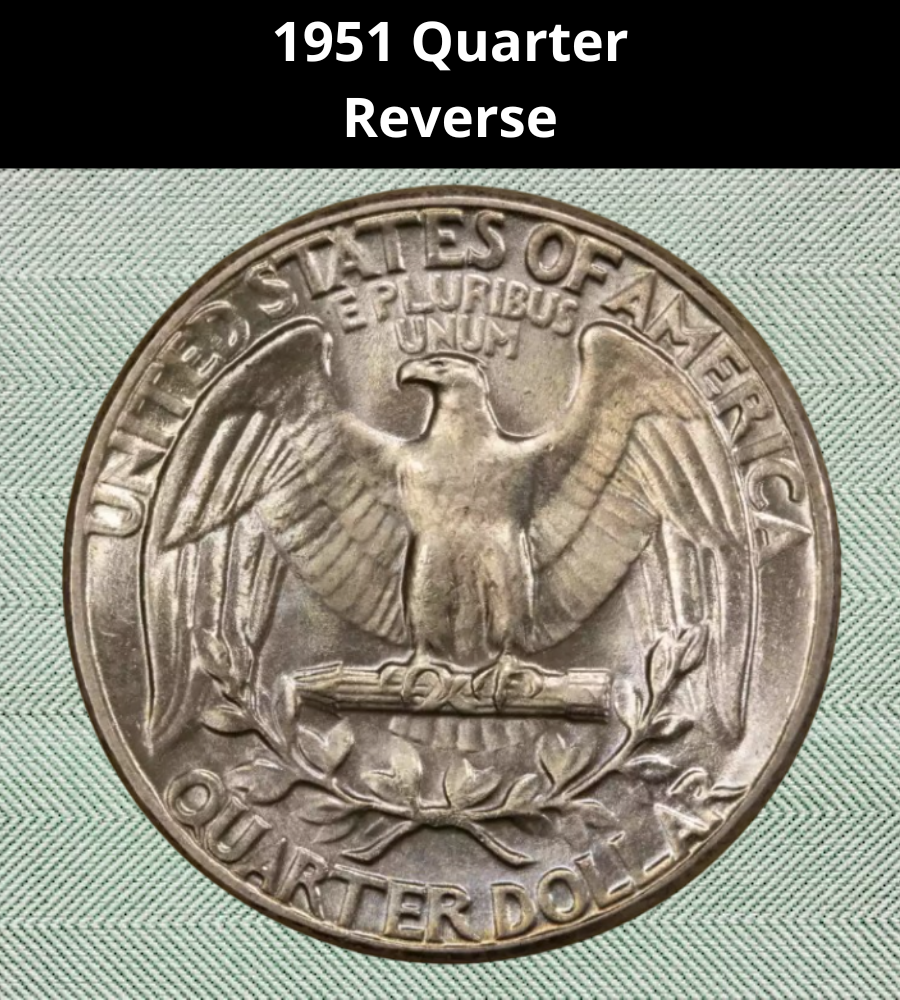
- Central image: A heraldic eagle with wings fully spread.
- Symbols:
- Arrows in the eagle’s talons symbolize strength and defense.
- Olive branches tied together beneath the eagle represent peace.
- Inscriptions:
- UNITED STATES OF AMERICA arches across the top rim.
- E PLURIBUS UNUM appears just below, on a ribbon above the eagle.
- QUARTER DOLLAR is inscribed at the bottom.
- Mint marks:
- Philadelphia coins: no mint mark.
- Denver coins: “D” mint mark.
- San Francisco coins: “S” mint mark.
- Placement: below the olive branches on the reverse.
Technical Specifications
- Composition: 90% Silver, 10% Copper
- Weight: 6.25 grams (0.2009 troy ounces)
- Silver Content: 5.62 grams (0.1808 troy ounces)
- Diameter: 24.3 mm (0.9567 in)
- Thickness: 1.75 mm (0.0687 in)
- Edge: Reeded, with ~119 reeds
1951 Quarter Grading Guide
Grading 1951 Washington Quarters is essential because condition can make the difference between a $6 coin and one worth hundreds—or even thousands—in Mint State or Proof grades. The following guide highlights the typical wear patterns and diagnostics for each grade level:
| Grade | Description | Key Details to Check | Approx. Value |
|---|---|---|---|
| Good (G–4) | Heavy circulation; flat design | Washington’s hair above the ear completely smooth, eagle’s breast flat, legends readable but weak | ~$6 |
| Fine (F–12) | Moderate wear, partial detail | Some hair separation visible, eagle’s wings outlined, slight detail in breast feathers | ~$6–7 |
| About Uncirculated (AU–50 to AU–58) | Light wear only on high points | Most hair detail remains, cheek and jawline sharp, eagle’s breast shows minimal flattening, partial luster visible | ~$8–15 |
| Mint State (MS–60 to MS–65) | No wear; some contact marks | Full hair curls and eagle feathers visible, original mint luster present, minor bag marks may appear | ~$20–150+ |
| Gem Mint State (MS–66 and above) | Exceptional quality | Bold strike with full feather and hair detail, strong luster, minimal or no contact marks | $300–$1,000+ depending on variety |
| Proof (PR / CAM / DCAM) | Special strikes | Mirror fields with sharp devices; Cameo shows frosted contrast, DCAM exhibits full deep cameo effect | $52 – $4,962+ |
1951 Quarter Value Guides
1951 No Mint Mark Quarter Value
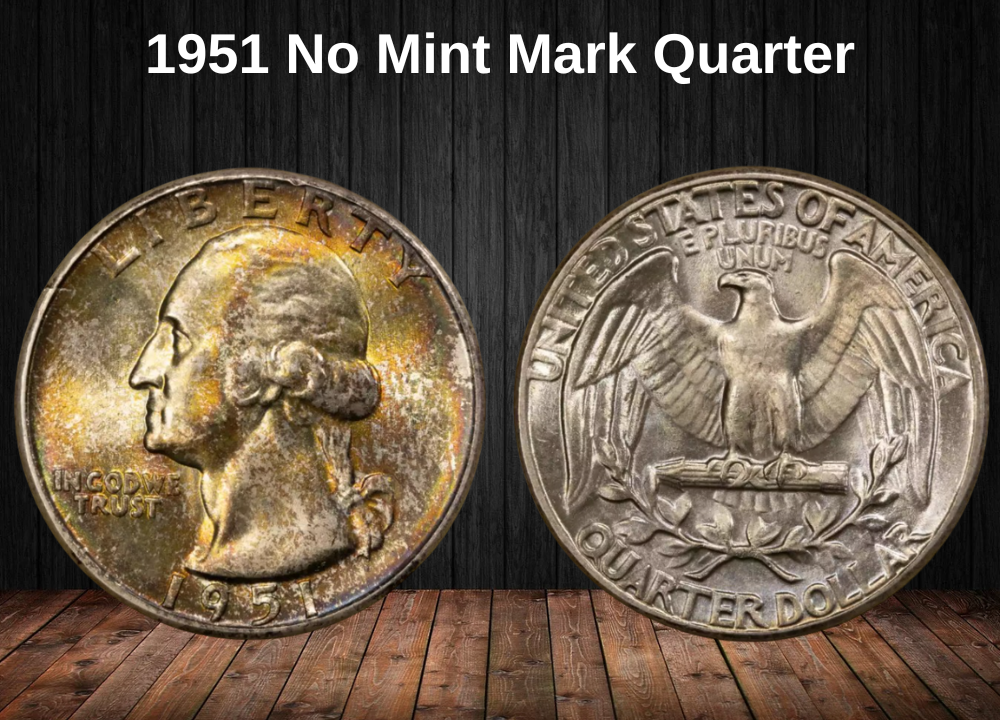
The 1951 No Mint Mark Quarter struck in Philadelphia had the highest mintage of the year, with more than 43 million coins produced. However, despite this large output, finding examples in Gem Mint State (MS65 and above) is much harder than expected.
It’s estimated that only about 10% of the original mintage survived, and far fewer made it into Mint State condition. When found uncirculated, Philadelphia quarters from 1951 usually feature sharp details and strong luster, reflecting the Mint’s quality control.
This paradox—high original mintage but low survival in top grades—makes the 1951 (P) quarter a sleeper collectible. While affordable in circulated grades, gem specimens command strong premiums and are actively pursued by both type collectors and Washington quarter specialists.
1951 No Mint Mark Quarter Price/Grade Chart
| Grade | Approx. Value | Recent Auction Records |
|---|---|---|
| Good (G–4) | $6 | — |
| Fine (F–12) | $6.17 | — |
| About Uncirculated (AU–50) | $7 | — |
| Mint State (MS–66) | $40 – $3,600 | Oct 2022 (SB) – $40; Aug 2024 (HA) – $3,600 |
| MS–67 | $120 – $1,380 | Feb 2024 (SB) – $120; Oct 2023 (HA) – $1,380 |
| MS–67+ Premiums | $844 – $1,380+ | Apr 2023 (HA) – $844; Oct 2023 (HA) – $1,380 |
1951-D Quarter Value
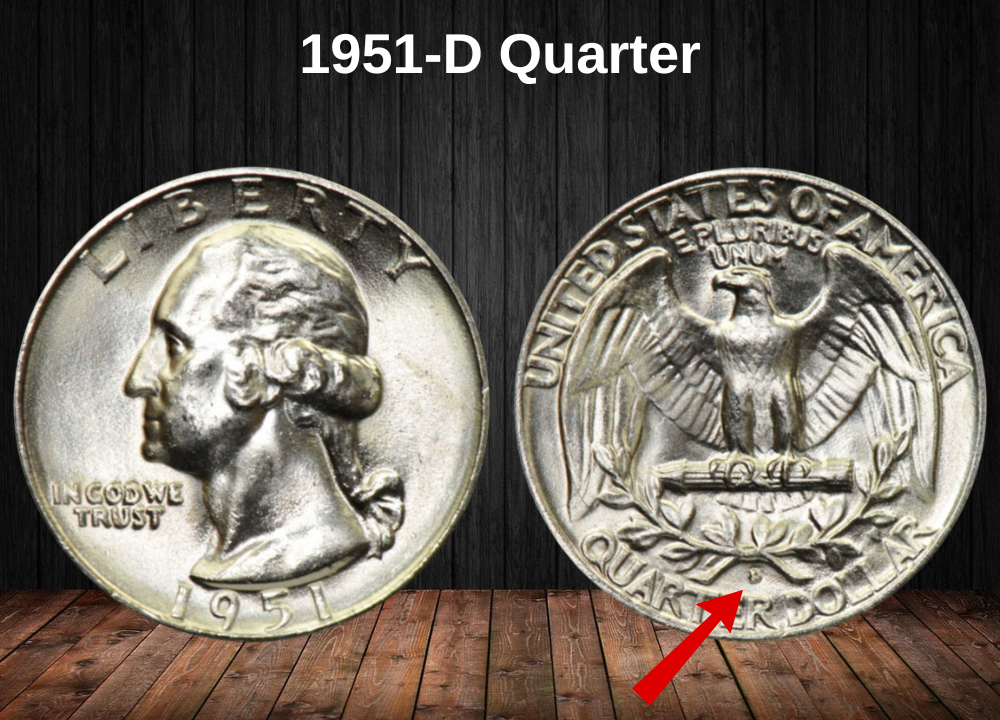
The 1951-D Washington Quarter, struck at the Denver Mint, stands out as the most valuable business strike of the year. With a mintage of over 35 million coins, it doesn’t appear rare at first glance. However, the challenge lies in finding high-grade survivors—Mint State examples are notably scarce, which drives up demand and value.
The “D” mint mark, located beneath the eagle on the reverse, is easily identified and adds a significant premium in Mint State. While circulated examples remain affordable, MS66 and especially MS67 specimens command strong collector interest and auction premiums, often outperforming both Philadelphia and San Francisco issues.
1951-D Quarter Price/Grade Chart
| Grade | Approx. Value | Recent Auction Records |
|---|---|---|
| Good (G–4) | $6 | — |
| Fine (F–12) | $6.17 | — |
| About Uncirculated (AU–50) | $7 | — |
| Mint State (MS–65) | $30 – $41 | Jul 2022 (DL) – $30; Jan 2023 (DL) – $41 |
| MS–66 | $40 – $192 | Jul 2023 (HA) – $40; Jul 2023 (HA) – $192 |
| MS–67 | $154 – $1,680 | Apr 2023 (HA) – $154; Aug 2023 (HA) – $1,680; Sep 2022 (DL) – $1,575 |
1951-S Quarter Value
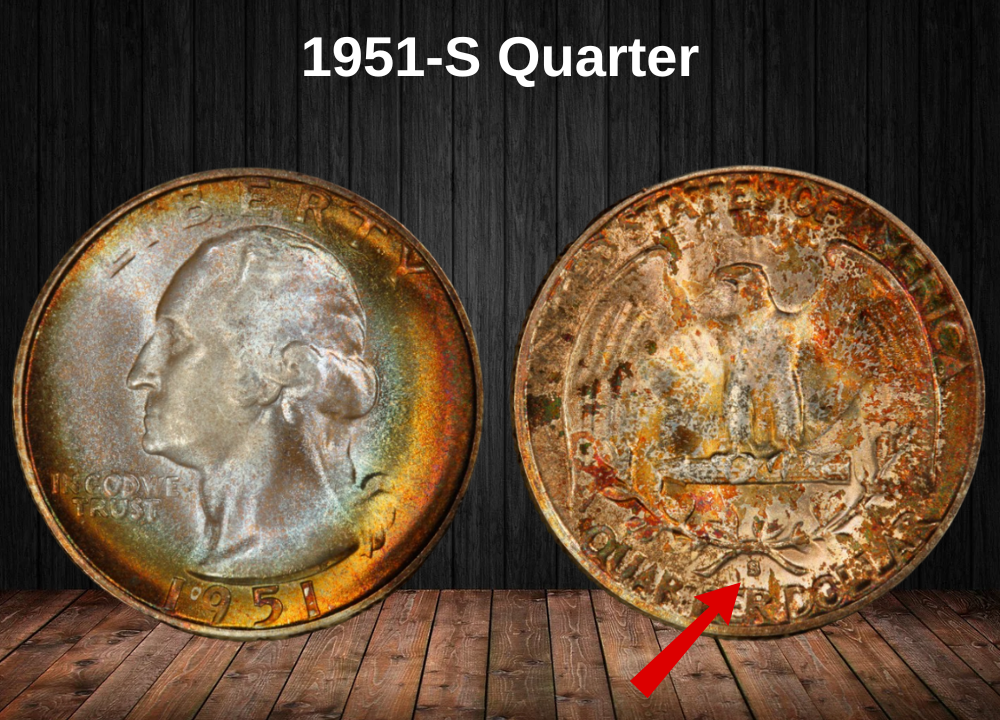
The 1951-S Washington Quarter, struck at the San Francisco Mint, had the lowest mintage of the year, with just over 9 million coins produced. This makes it inherently scarcer than its Philadelphia and Denver counterparts. The “S” mint mark, placed beneath the eagle on the reverse, identifies this West Coast issue.
Interestingly, the 1951-S shows a slightly better survival rate than the larger-mintage coins from Philadelphia and Denver—around 10% of the original mintage. San Francisco was known for solid quality control in this period, so many surviving examples exhibit sharp detail and strong luster.
Despite this, true high-grade Mint State coins (MS67–MS68) remain very difficult to locate, and they command substantial premiums whenever they appear at auction. Collectors value the 1951-S both for its lower mintage rarity and for its essential role in completing Washington Quarter date-and-mintmark sets.
1951-S Quarter Price/Grade Chart
| Grade | Approx. Value | Recent Auction Records |
|---|---|---|
| Good (G–4) | $6 | — |
| Fine (F–12) | $6.17 | — |
| About Uncirculated (AU–50) | $8 | — |
| Mint State (MS–65) | $65 – $125 | Jul 2024 (SB) – MS65, $65; Jan 2025 (SB) – MS67, $125 |
| MS–67 | $125 – $216 | Sep 2024 (SB) – MS67, $168; Jan 2025 (SB) – MS67, $216 |
| MS–68 | $1,800 – $5,040 | Jan 2024 (HA) – MS68, $1,800; May 2024 (HA) – MS68, $5,040; Jan 2025 (HA) – MS68, $4,200 |
1951 Proof Quarter Value
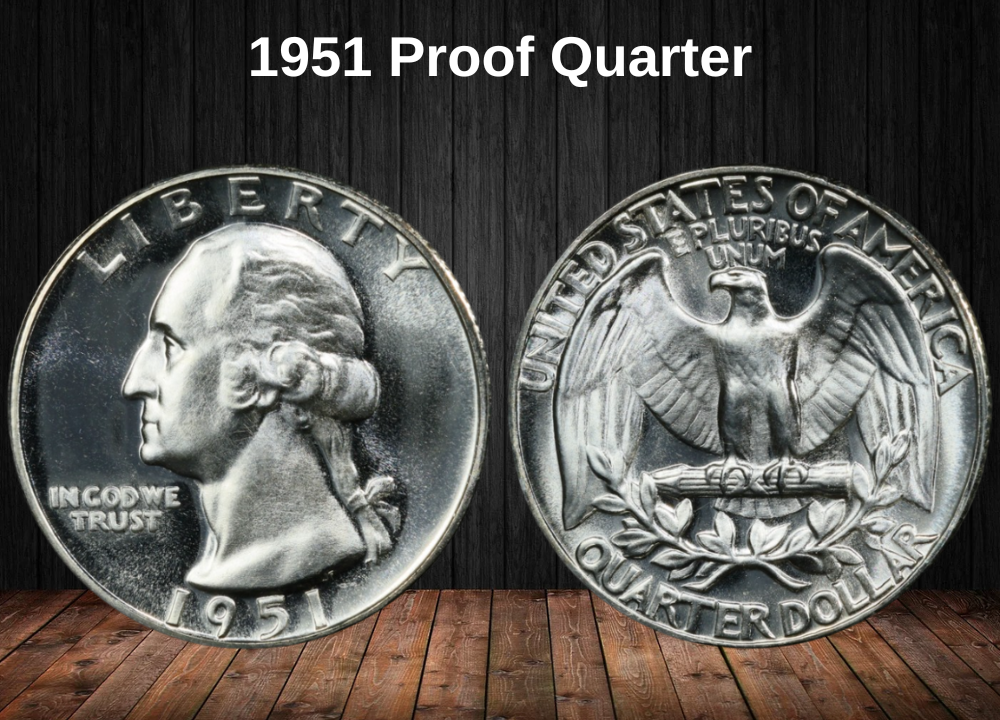
The 1951 Proof Quarter marks one of the early post-war proof issues, with 57,500 coins struck exclusively at the Philadelphia Mint. These proofs were created by striking polished planchets multiple times with specially prepared dies, producing mirror-like fields and sharply defined devices.
Unlike business strikes, proofs were carefully handled from the beginning, and the survival rate is estimated at about 70%—meaning nearly 40,000 examples remain today. Their preservation makes them far more available than cameo-designated proofs, though they still showcase the Mint’s artistry during the early 1950s.
In terms of value, regular proofs remain relatively accessible, trading around $69 in standard proof condition. Still, higher-grade examples and especially Cameo and Deep Cameo designations achieve much stronger premiums.
1951 Proof Quarter Price/Grade Chart
| Grade | Approx. Value | Recent Auction Records |
|---|---|---|
| PR–64 | $57 – $63 | Feb 2023 (HA) – $61; Jun 2023 (HA) – $63 |
| PR–65 | $69 – $95 | Mar 2023 (HA) – $69; May 2023 (HA) – $95 |
| PR–66 | $100 – $120 | Feb 2024 (SB) – $120; Sep 2022 (SB) – $100 |
| PR–67 | $69 – $78 | Mar 2023 (HA) – $78; May 2023 (HA) – $69 |
| PR–68 | $240 | Jun 2022 (SB) – $240 |
1951 CAM Quarter Value
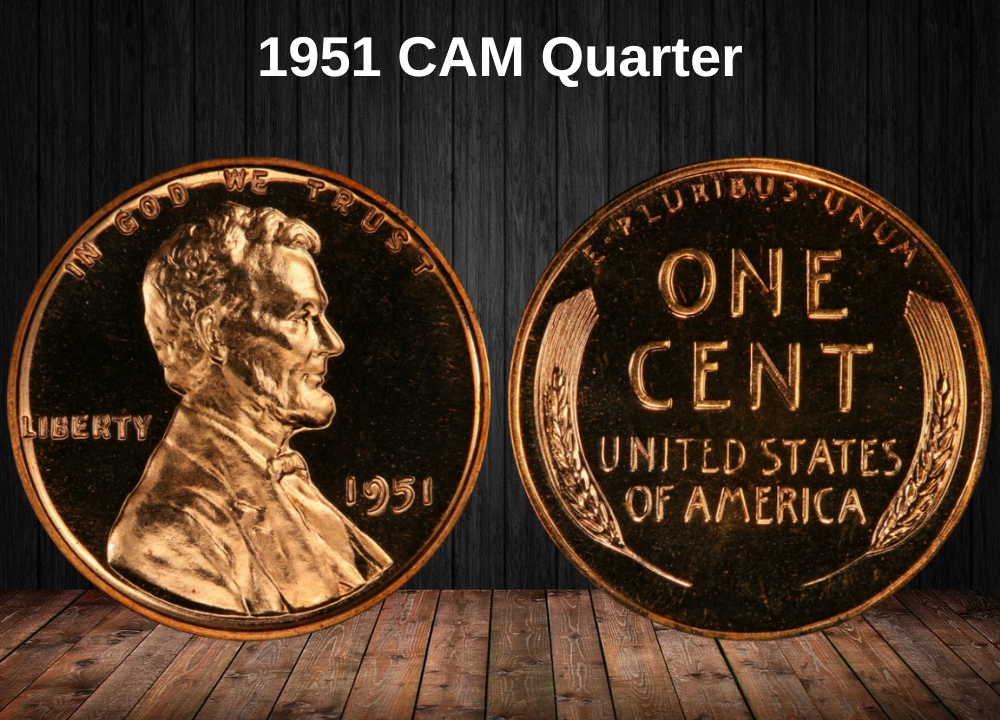
The 1951 CAM (Cameo) Proof Quarter takes proof collecting to another level with its distinctive frosted devices set against deeply mirrored fields. This striking contrast makes Washington’s portrait and the eagle on the reverse appear almost three-dimensional.
Although struck from the same 57,500 mintage as regular proofs, only about 4,000 coins are estimated to qualify for the Cameo designation, representing roughly 7% survival. The effect occurs when dies, still fresh, strike fewer coins, retaining the frosted texture on the raised devices before the polish wears off.
With current market values reaching $343 in proof condition and auction results stretching much higher in top grades, CAM quarters occupy the middle ground between standard proofs and the ultra-rare DCAM counterparts.
1951 CAM Quarter Price/Grade Chart
| Grade | Approx. Value | Recent Auction Records |
|---|---|---|
| PR–66 CAM | $144 – $276 | Nov 2022 (HA) – $149; Jun 2023 (HA) – $276 |
| PR–67 CAM | $288 – $900 | Sep 2022 (HA) – $288; Apr 2023 (SB) – $900 |
| PR–68 CAM | $1,056 – $1,680 | Feb 2023 (DL) – $1,056; Aug 2024 (SB) – $1,680; Nov 2022 (SB) – $1,200 |
1951 DCAM Quarter Value
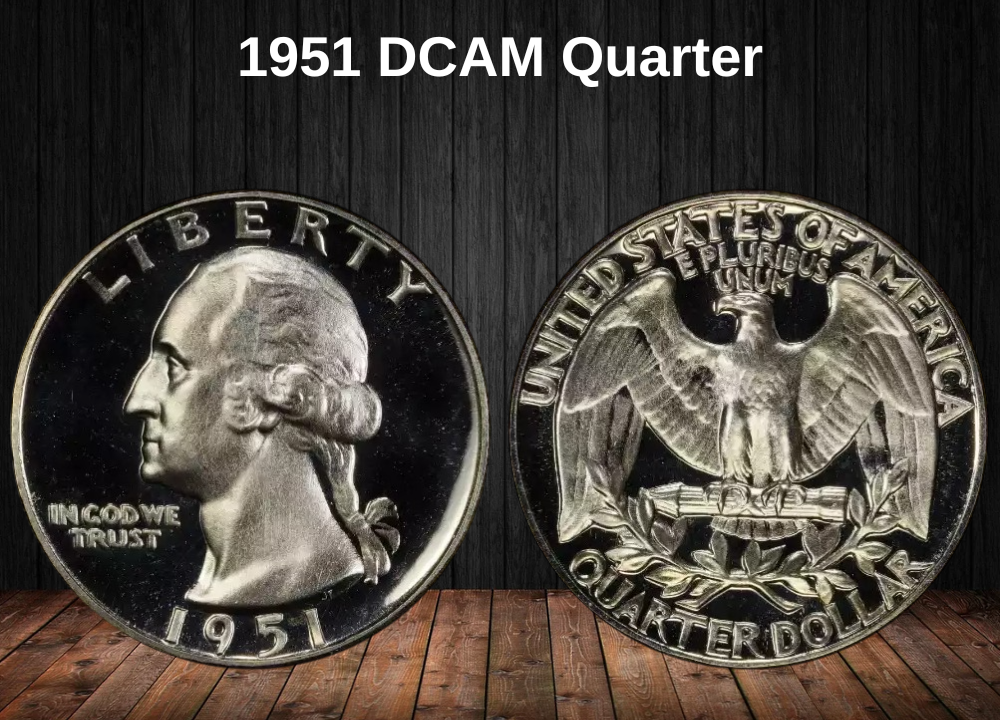
The 1951 DCAM (Deep Cameo) Proof Quarter stands at the absolute pinnacle of Washington Quarter proof collecting. Out of the 57,500 proofs struck in Philadelphia, only about 200 examples are believed to qualify for the DCAM designation—a vanishingly small 0.35% survival rate.
To earn the Deep Cameo label, a proof must show extreme contrast: deeply mirrored fields paired with heavily frosted devices. These effects occur only in the very first strikes from freshly prepared dies, before repeated use wore away the frosted texture.
The visual result is breathtaking—an almost three-dimensional portrait of George Washington and the eagle—and the rarity elevates the 1951 DCAM to near-legendary status. With values often surpassing $8,000, these coins are considered a “holy grail” issue for Washington Quarter specialists and advanced proof collectors.
1951 DCAM Quarter Price/Grade Chart
| Grade | Approx. Value | Recent Auction Records |
|---|---|---|
| PR–65 DCAM | $1,880 | Jul 2014 (HA) – $1,880 |
| PR–66 DCAM | $3,360 – $3,738 | Jun 2023 (SB) – $3,360; Aug 2012 (SB) – $3,738 |
Rare 1951 Quarter Error List
1. 1951-D DDO FS-101 Errors
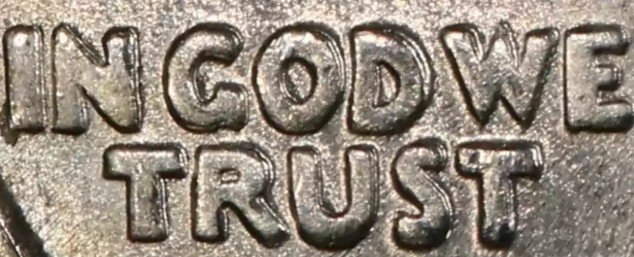
The 1951-D Doubled Die Obverse (DDO) FS-101 is one of the most dramatic Washington Quarter errors of the early 1950s. This variety displays obvious doubling on Washington’s portrait and the surrounding inscriptions, making it a highly collectible piece.
The doubling is most visible in:
- “IN GOD WE TRUST” – clear separation in the letters.
- Portions of Washington’s facial features, particularly around the eye and jawline.
- LIBERTY along the rim, where some letters may show shadowing or splits.
This error was created when the obverse die received a second, slightly misaligned hub impression, leaving behind a doubled image. Because the effect is bold and relatively easy to identify, FS-101 has become one of the more desirable doubled dies in the Washington Quarter series.
1951-D DDO FS-101 Price/Grade Chart
| Grade | Approx. Value | Notes |
|---|---|---|
| Fine (F–12) | $40 – $75 | Doubling faint but visible on motto |
| About Uncirculated (AU–50) | $150 – $250 | Doubling strong, partial luster remains |
| Mint State (MS–63) | $350 – $600 | Clear separation on letters, popular collector grade |
| MS–65 | $900 – $1,500 | Scarce; strong premiums for registry-quality coins |
| MS–66 and above | $2,000+ | Rare; dramatic doubling commands aggressive bidding |
2. 1951-D/D RPM FS-501 Errors
The 1951-D/D Repunched Mint Mark (RPM) FS-501 is a popular Denver variety that shows a “D” mint mark punched more than once in slightly different positions. This created a doubled or shadow-like effect beneath the eagle on the reverse.
The error occurred because mint mark punches were still applied by hand during die preparation. If the initial punch was weak or misaligned, a second strike was made—sometimes slightly off-center—producing overlapping impressions of the “D.”
The result is a visible shadow or split inside the mint mark, best confirmed with a loupe. While not as dramatic as doubled dies, RPMs like the FS-501 are prized by specialists and offer an affordable entry point into error collecting for the 1951 series.
1951-D/D RPM FS-501 Price/Grade Chart
| Grade | Approx. Value | Notes |
|---|---|---|
| Fine (F–12) | $20 – $40 | Doubling faint but present |
| About Uncirculated (AU–50) | $60 – $110 | Clear secondary punch visible with luster |
| Mint State (MS–63) | $150 – $250 | Strong “shadow D” under magnification |
| MS–65 | $350 – $600 | Registry-quality; scarcer in high grade |
| MS–66 and above | $1,000+ | Rare; dramatic examples command strong premiums |
Where to Sell Your Quarter Coin?
Now that you know the value of your quarter, the next step is deciding where to sell it. There are several trusted options—both online and in person—that can help you get the best price depending on your coin’s rarity and condition.
To see the full list of recommended places, along with their advantages and disadvantages, check our complete guide on where to sell your quarter coins.
FAQ About the 1951 Washington Quarter
1. Why is the 1951 Quarter historically significant?
The 1951 Washington Quarter was struck in 90% silver during the postwar economic boom. While it’s not a key date, it represents the stability of U.S. coinage in the early 1950s and remains part of the classic silver quarter era.
2. Which mints produced the 1951 Quarter?
The coin was minted at Philadelphia (no mint mark), Denver (“D”), and San Francisco (“S”). Philadelphia struck the highest mintage, while the 1951-S is scarcer in higher Mint State grades and often commands stronger premiums.
3. Are there notable errors or varieties for the 1951 Quarter?
Yes. The most famous is the 1951-D Doubled Die Obverse (FS-101), showing clear doubling on LIBERTY and Washington’s portrait. Another collectible is the 1951-D/D RPM FS-501, a repunched mintmark variety. Off-center strikes and clipped planchets also exist.
4. How much is a 1951 Quarter worth today?
Circulated pieces are typically worth $5–$15, slightly above silver melt value. Mint State examples (MS65) range from $75–$200, while superb gems (MS67+) can exceed $1,000. Error varieties like the DDO or RPM can reach several thousand dollars depending on rarity and grade.
5. What should collectors look for in a 1951 Quarter?
Collectors should examine Washington’s hair detail and the eagle’s breast feathers for strike sharpness. Pay close attention to Denver issues for doubled dies and RPMs. Coins with original mint luster, attractive toning, and no signs of cleaning are the most valuable. Certification by PCGS or NGC is recommended for rare varieties and high-grade examples.