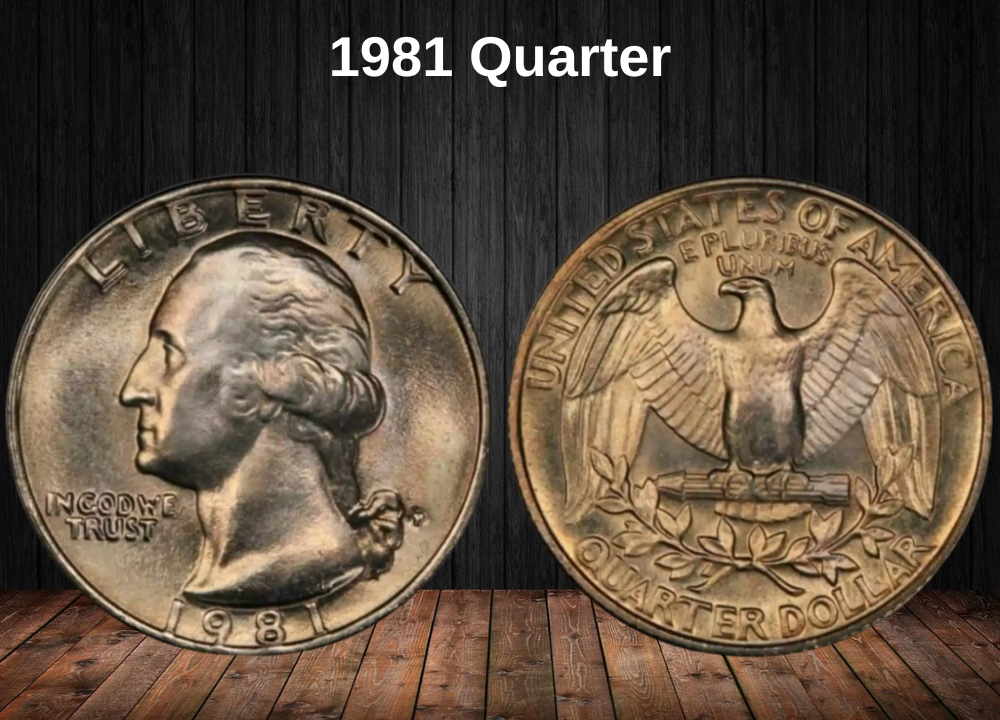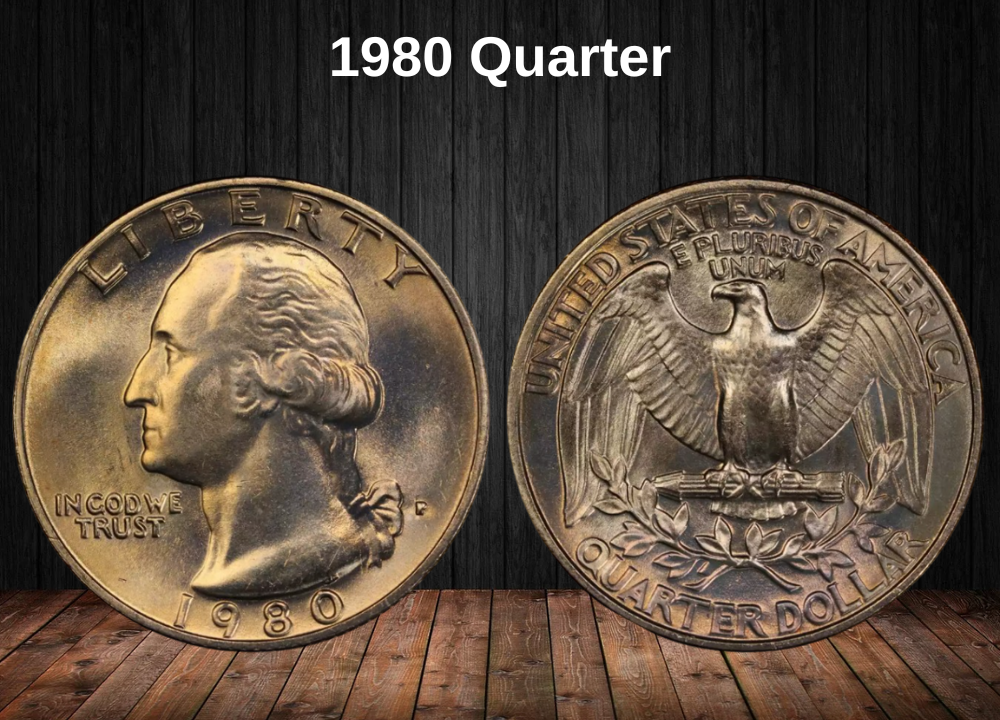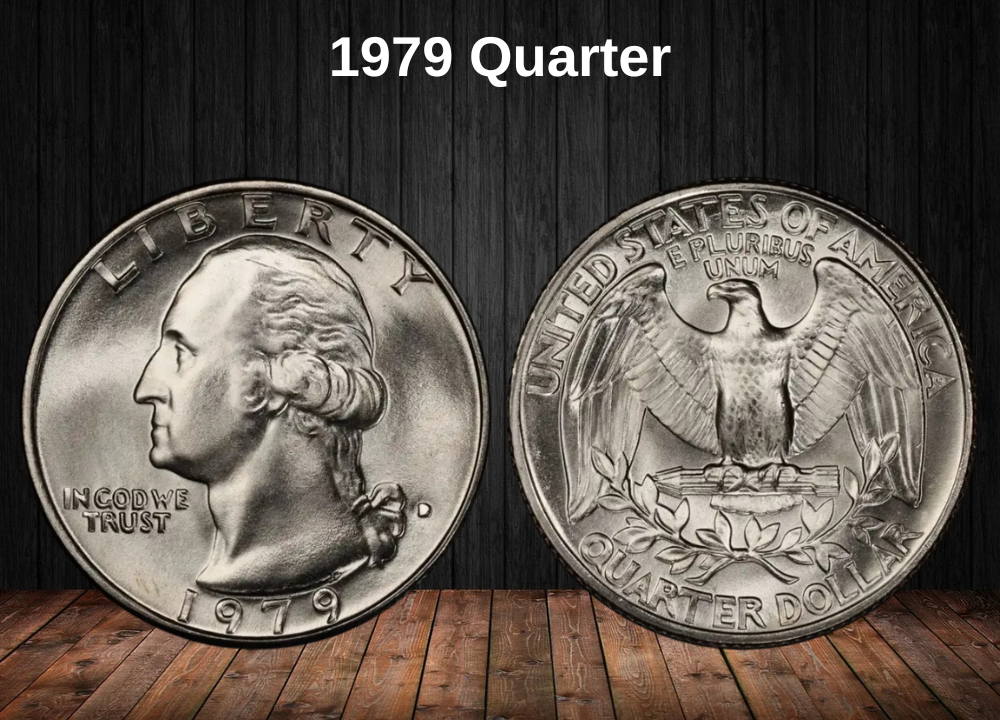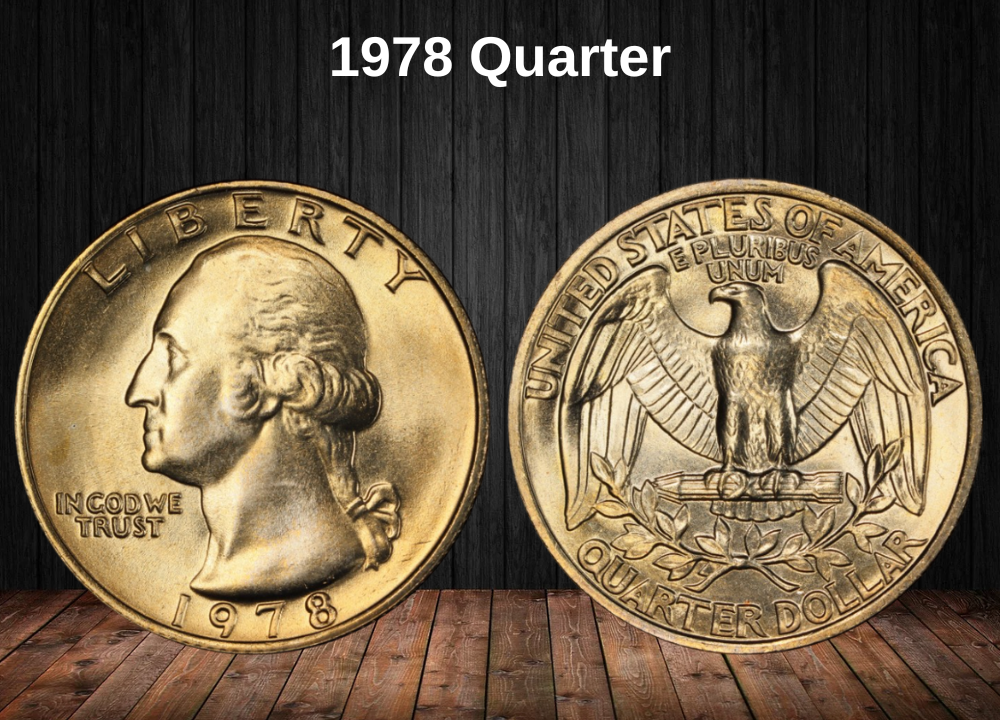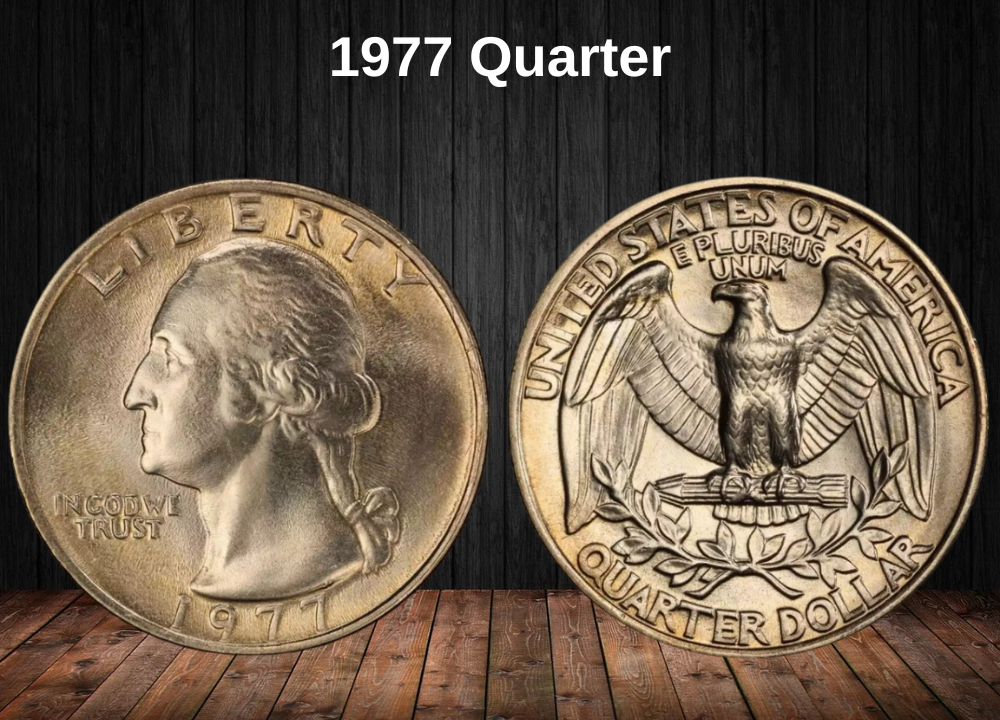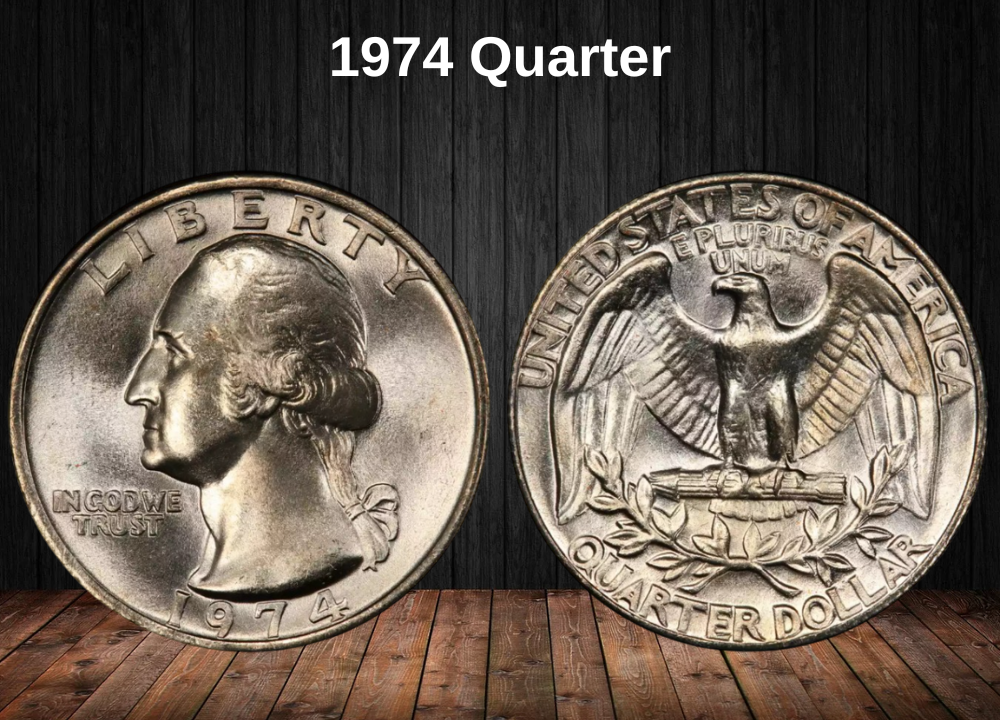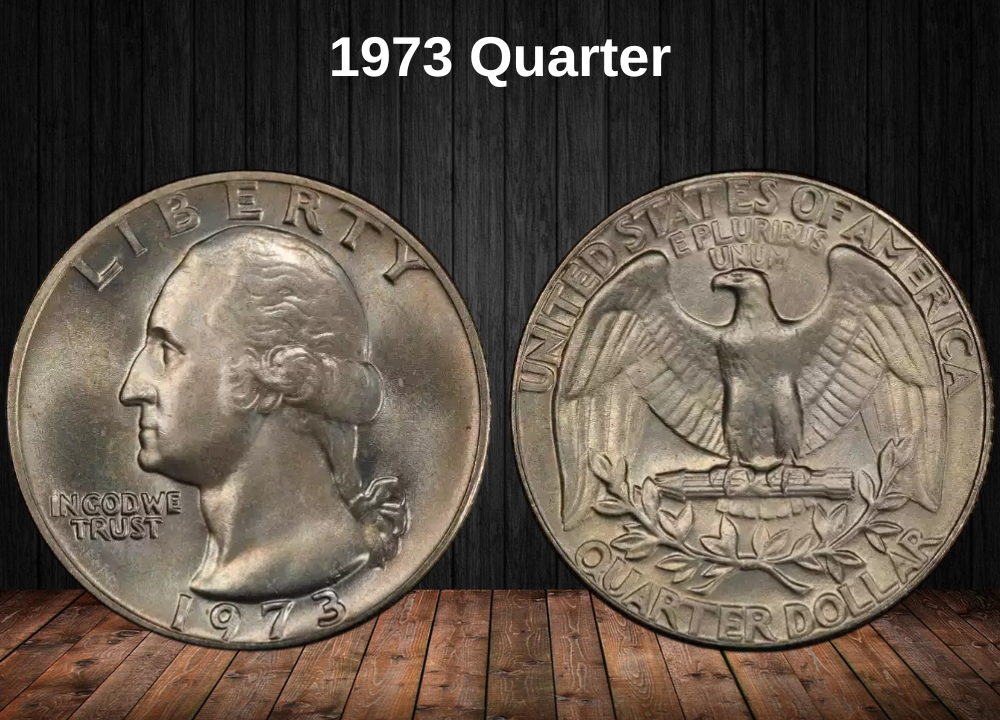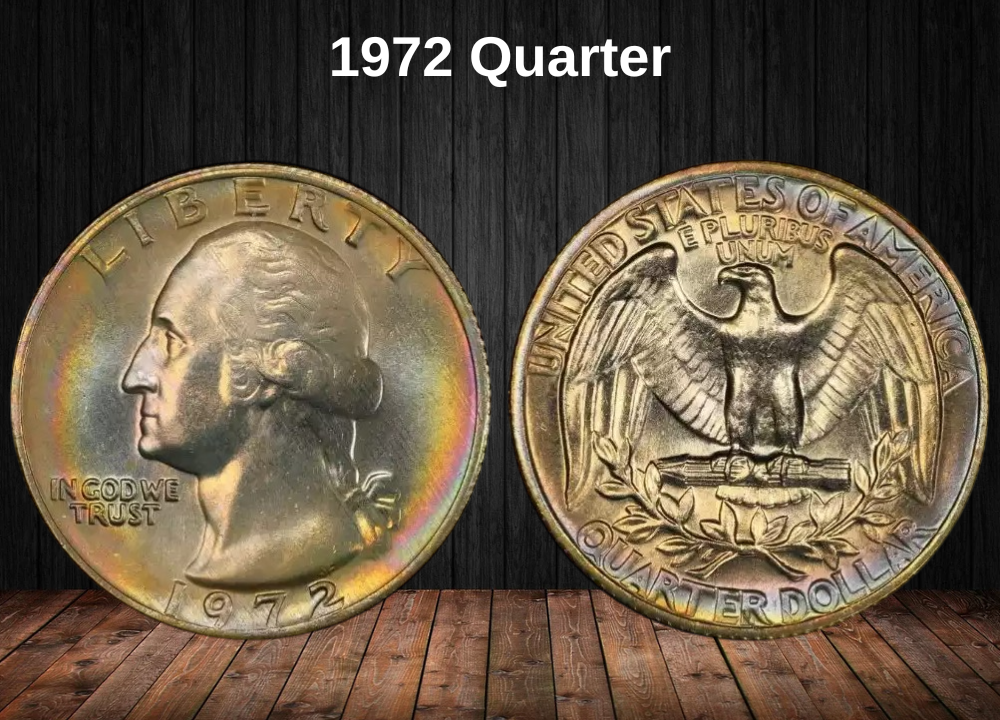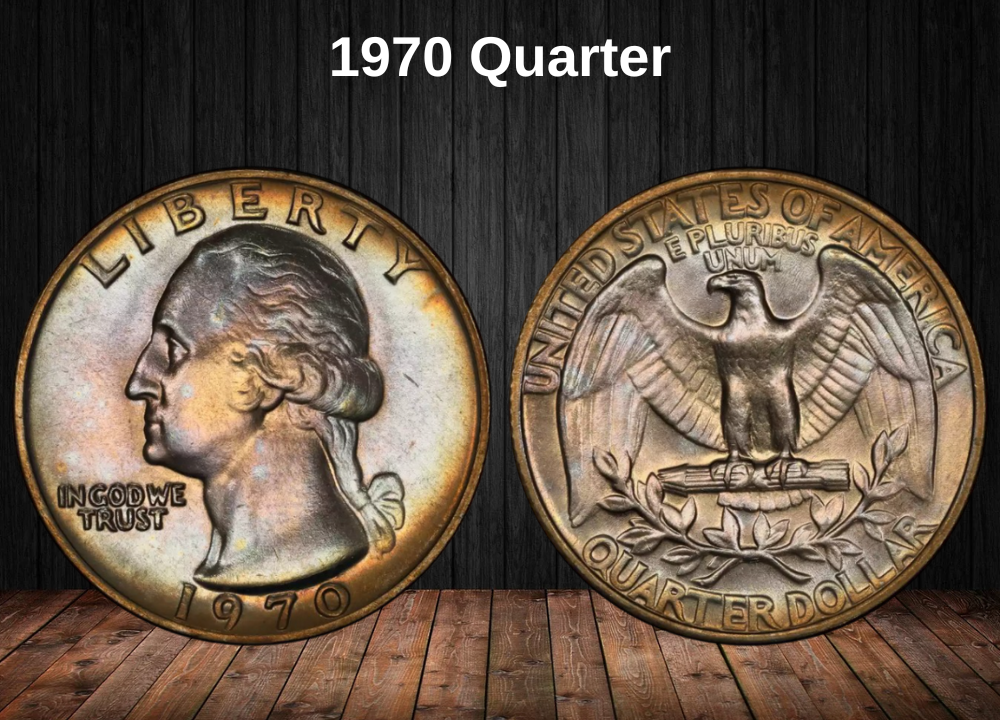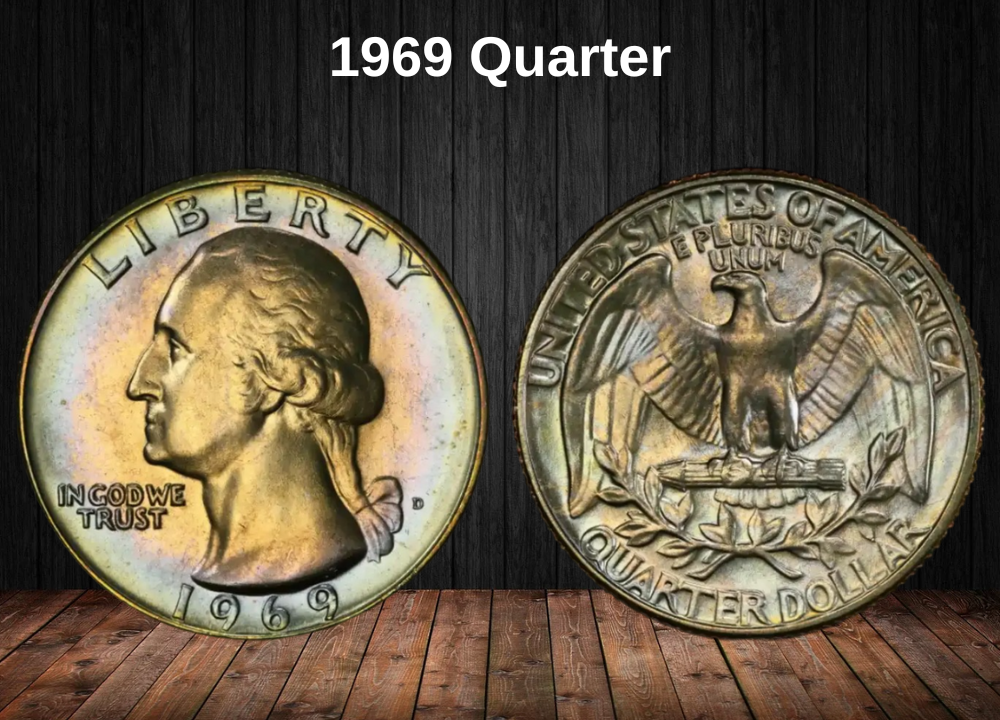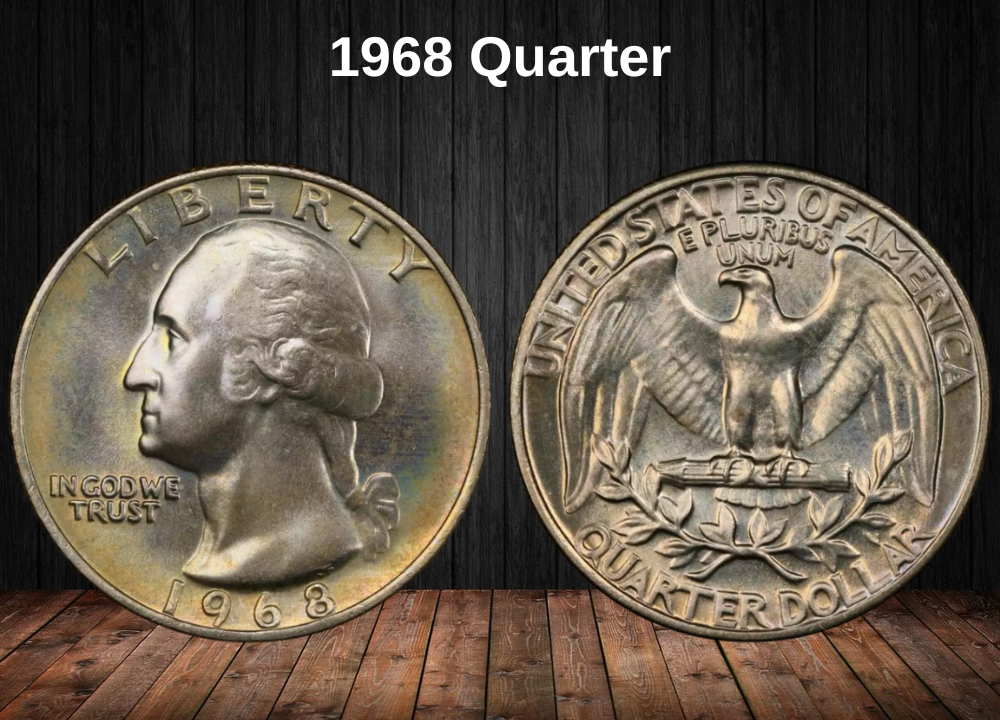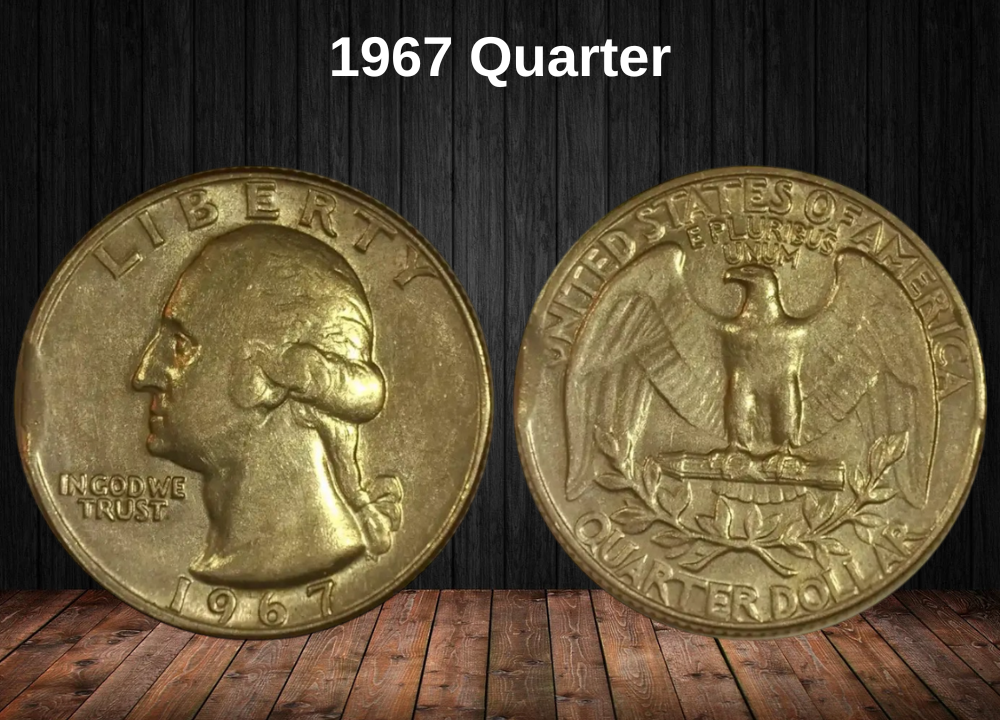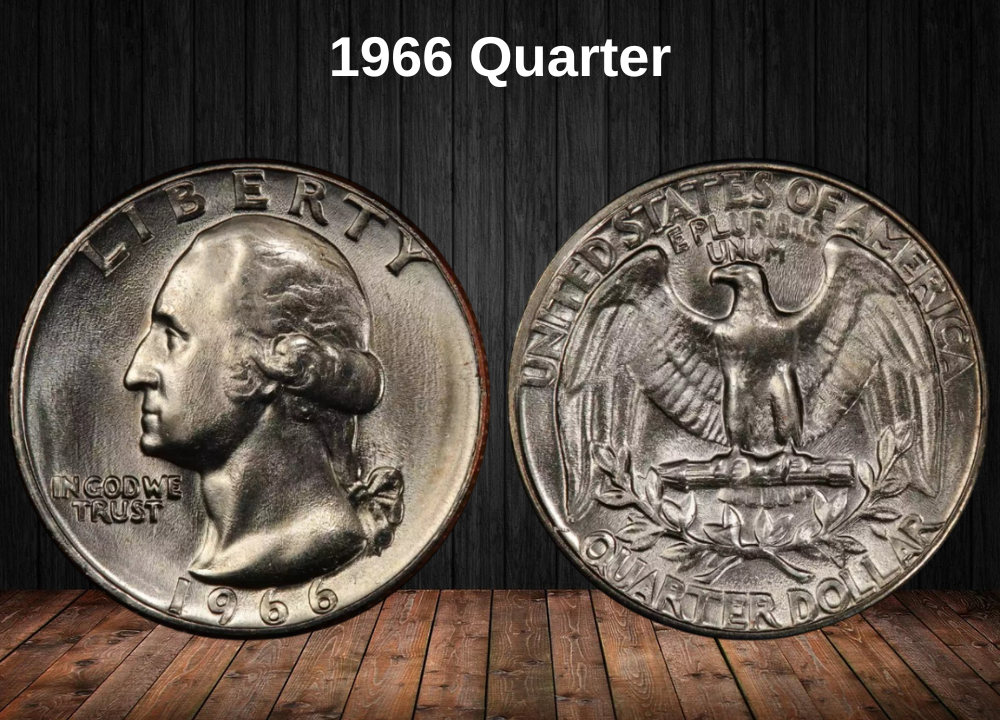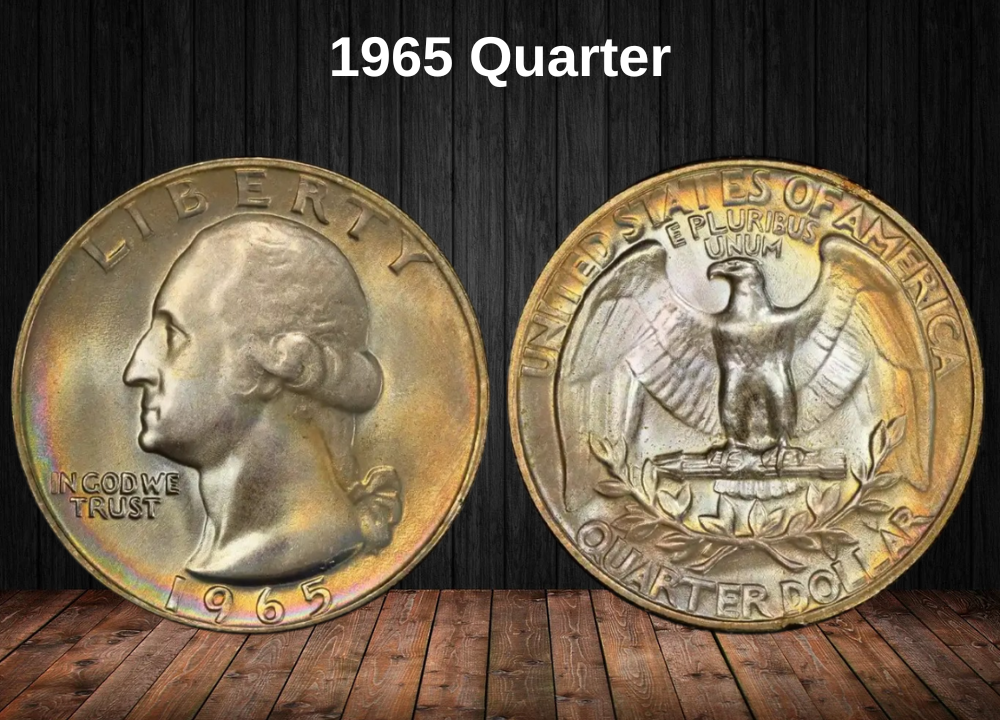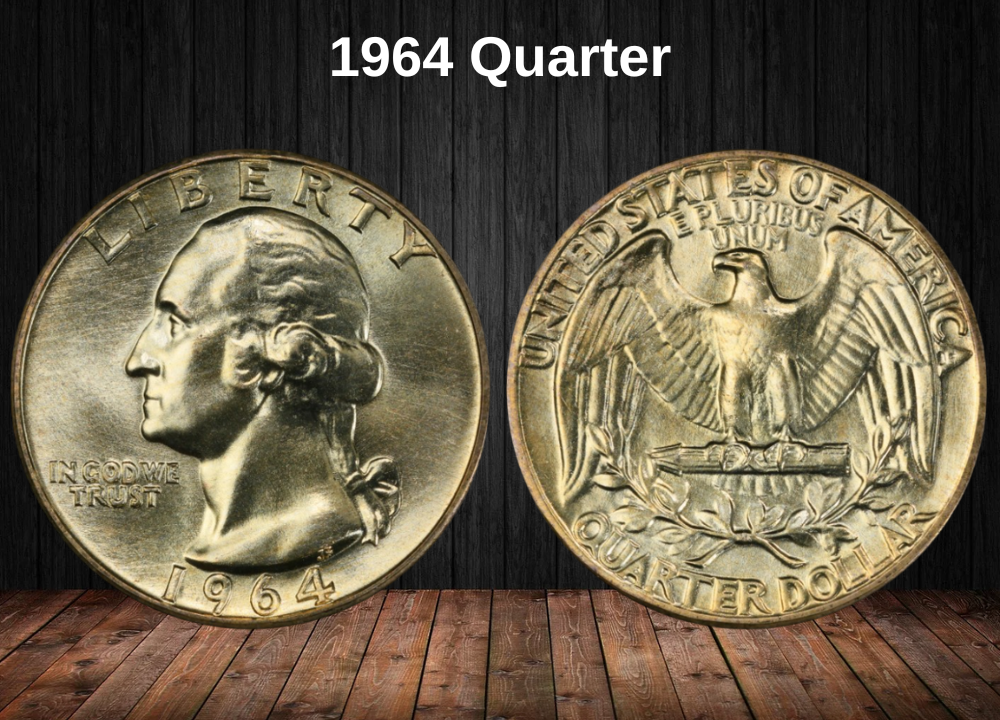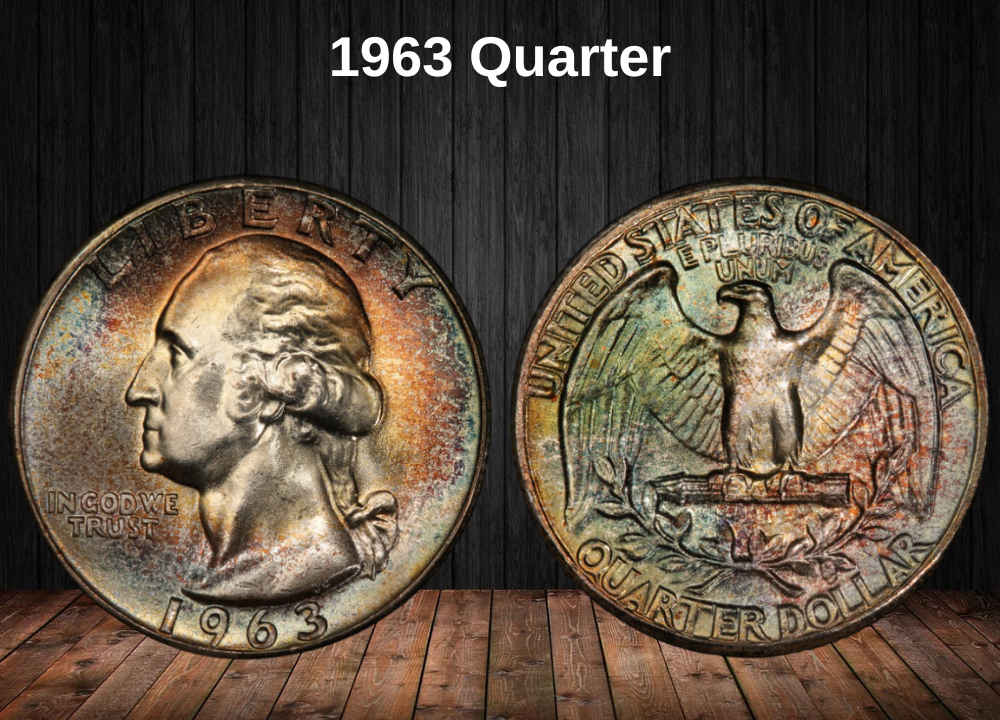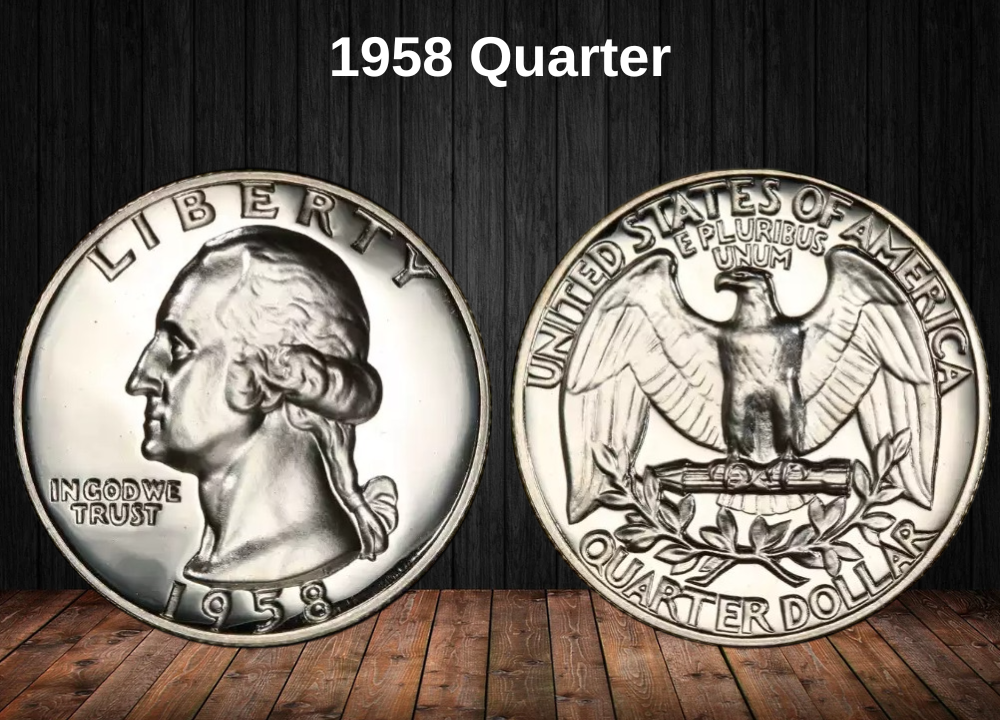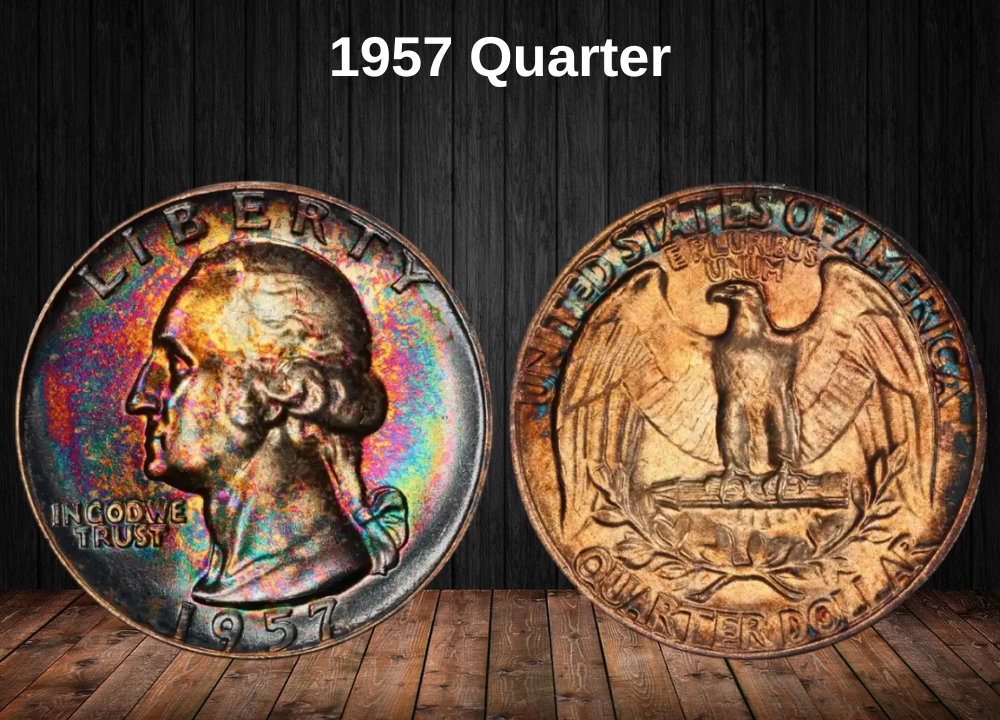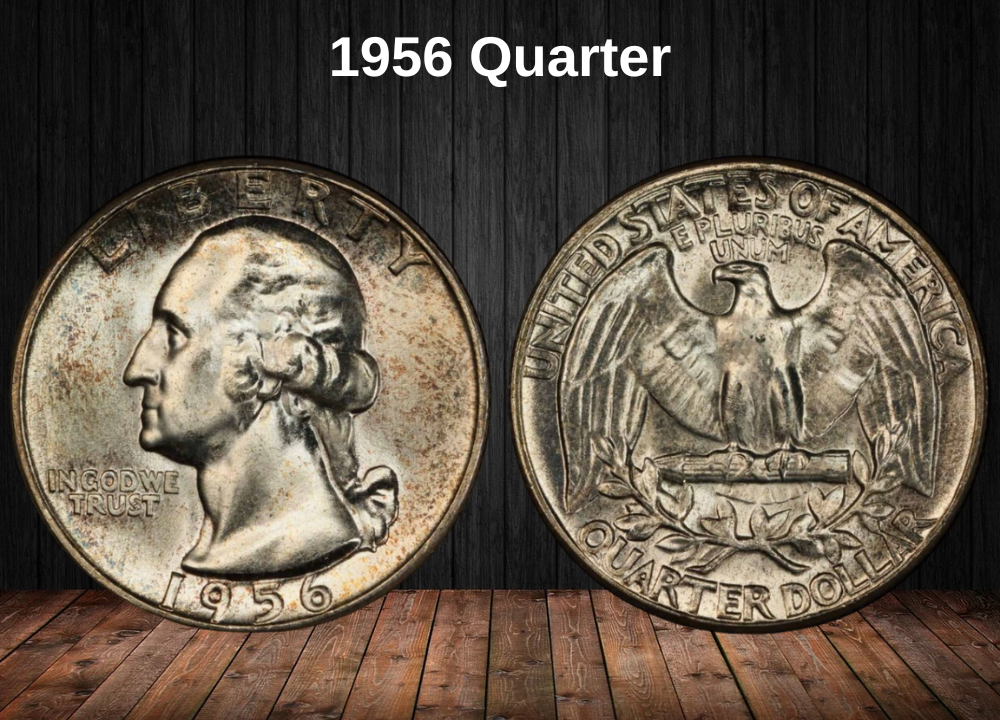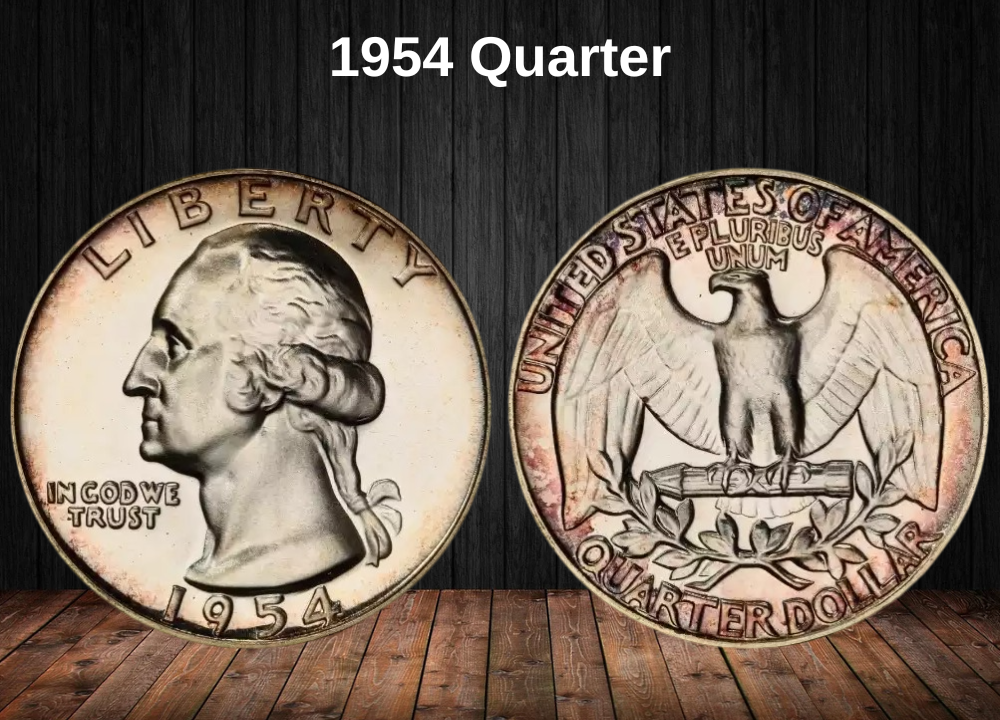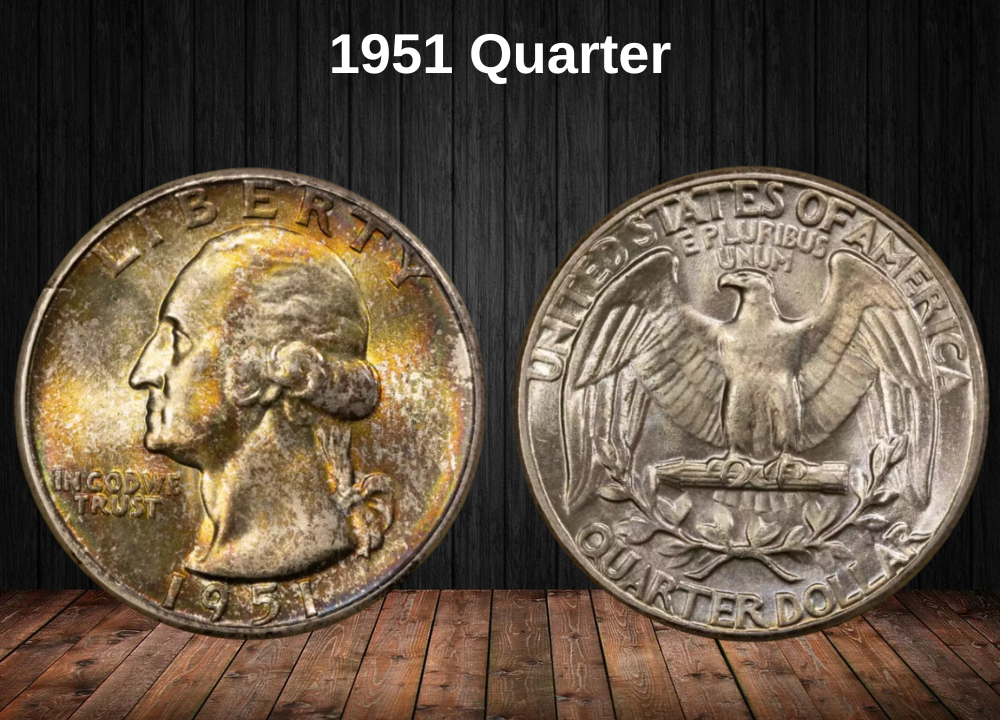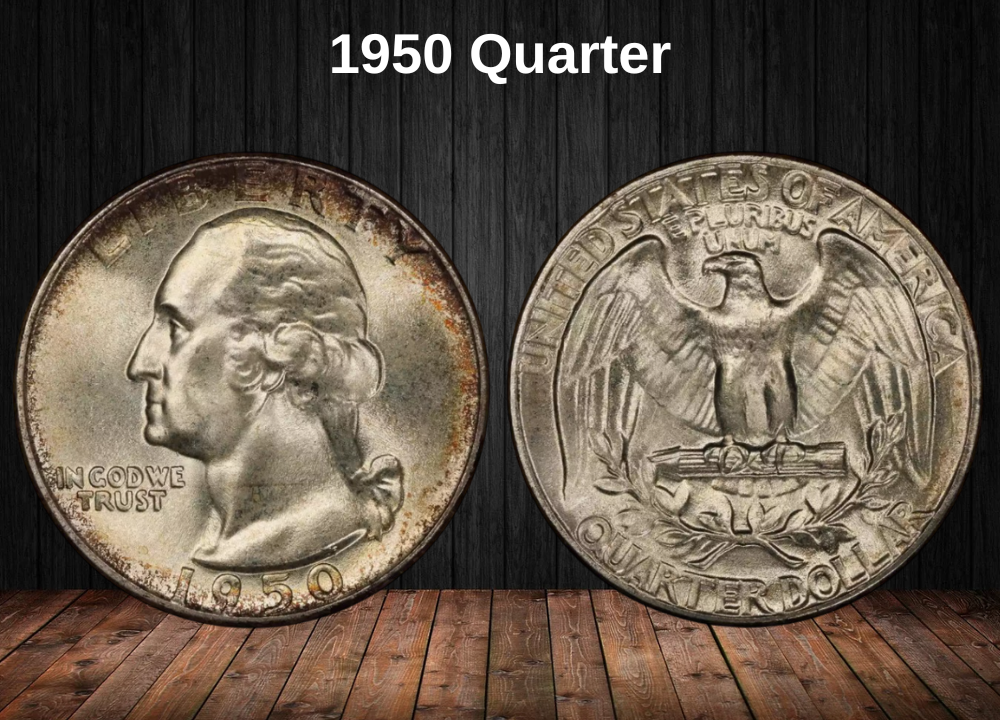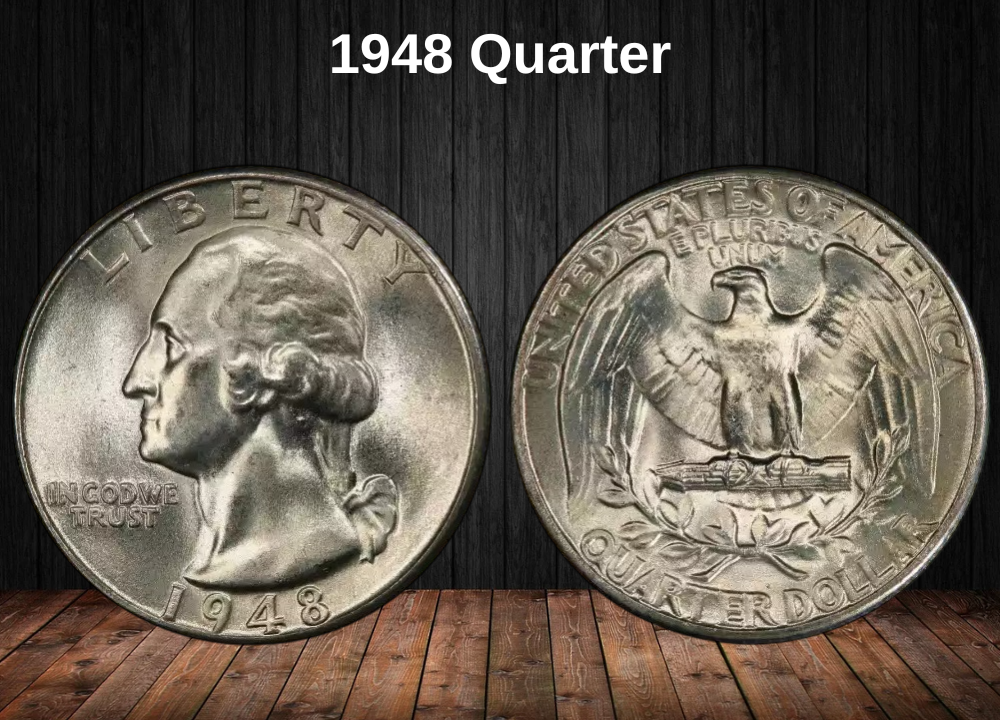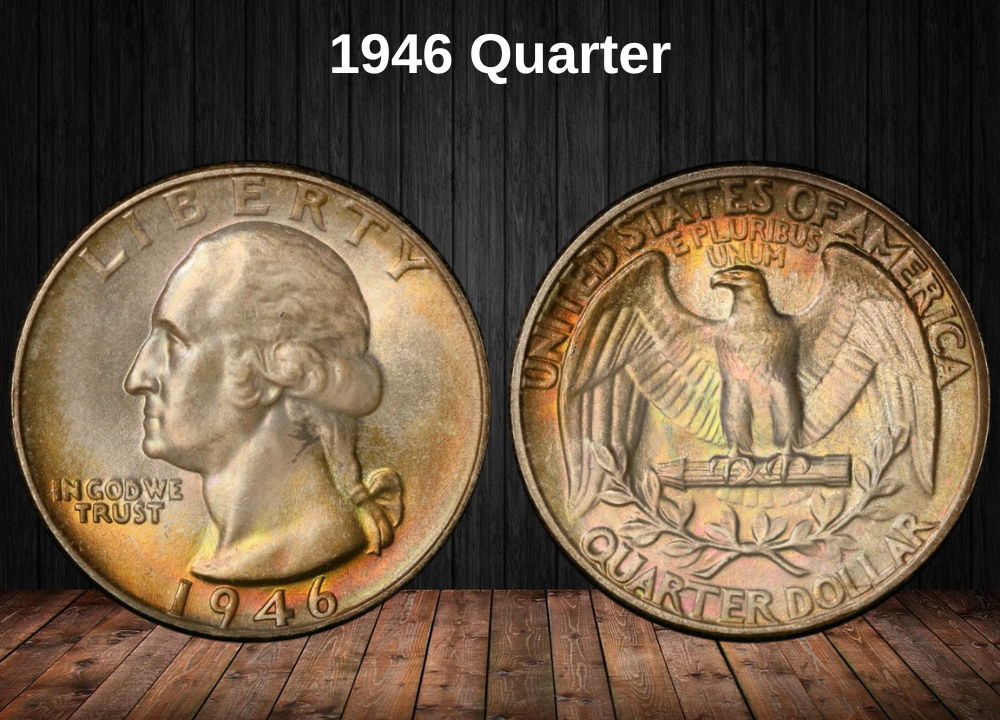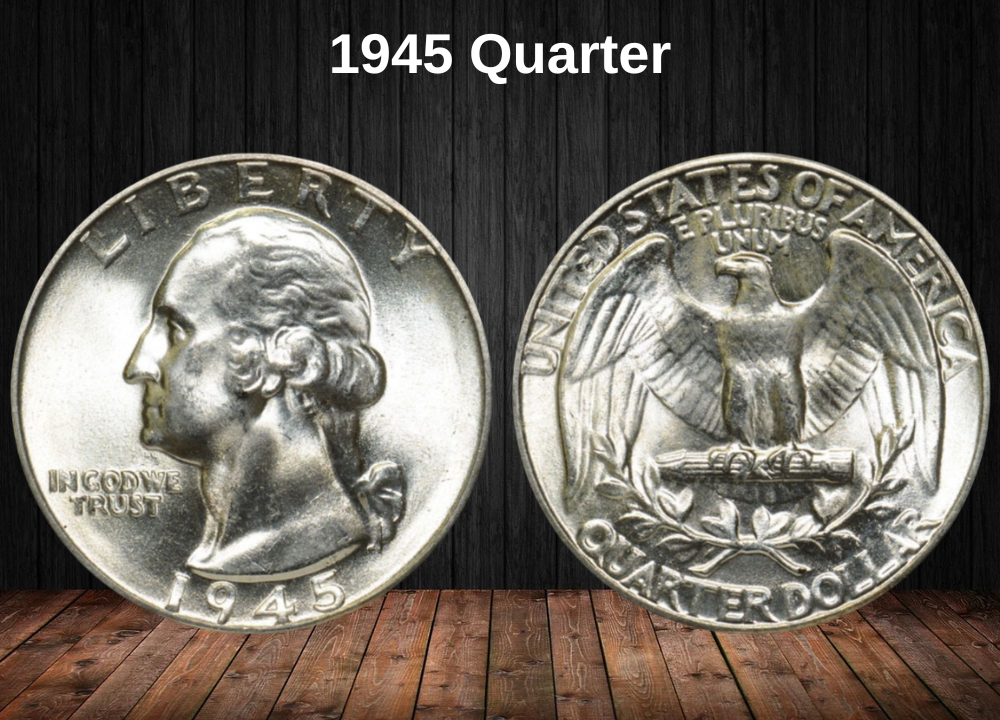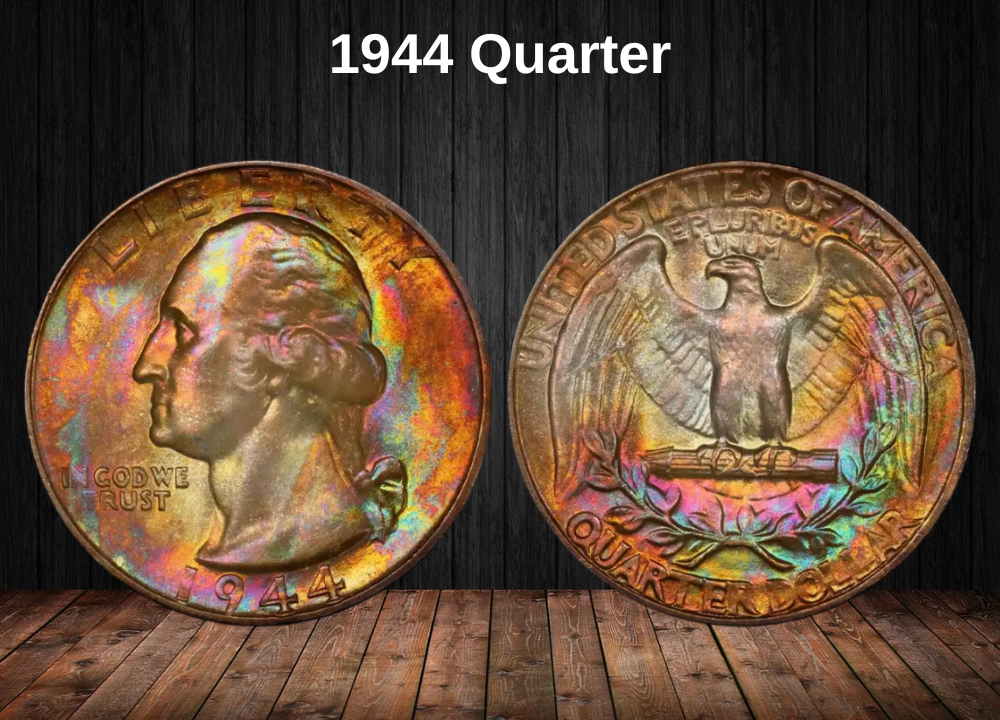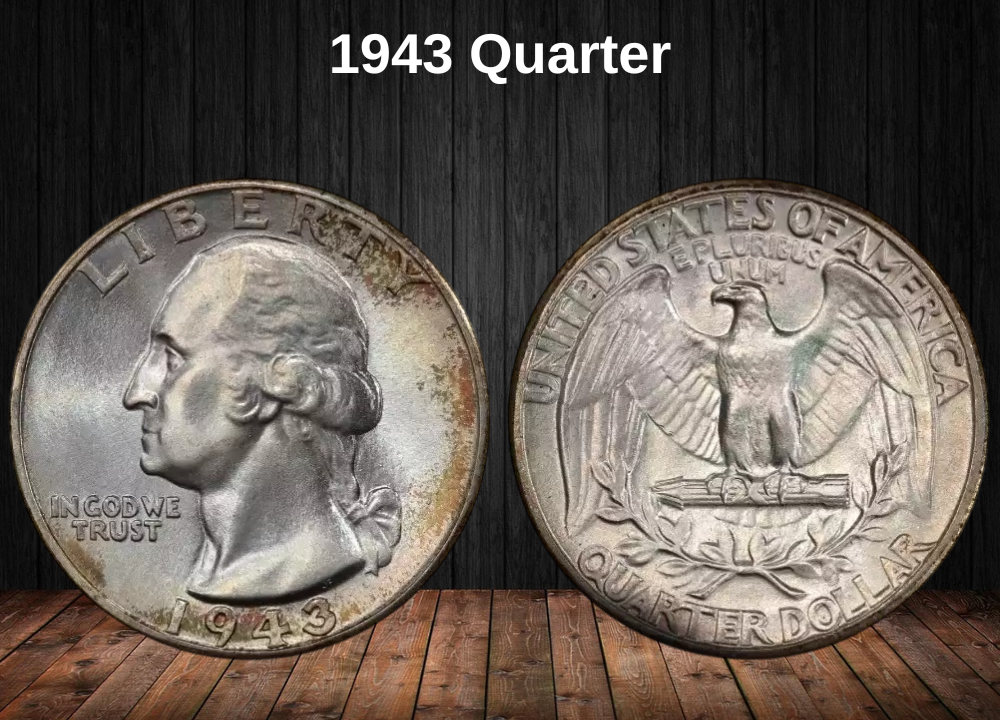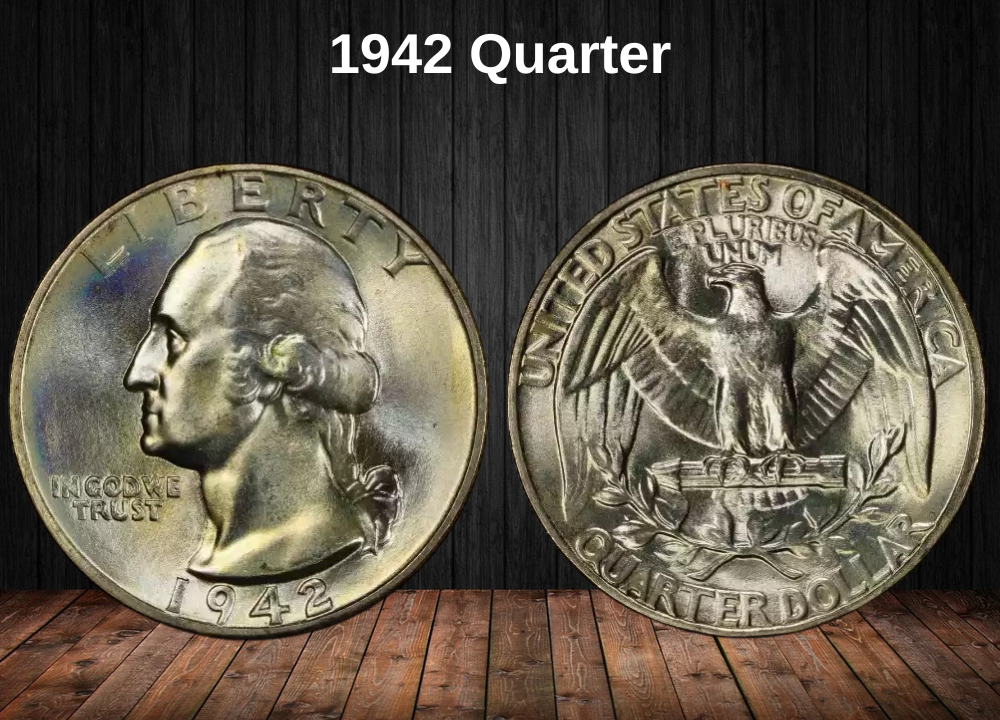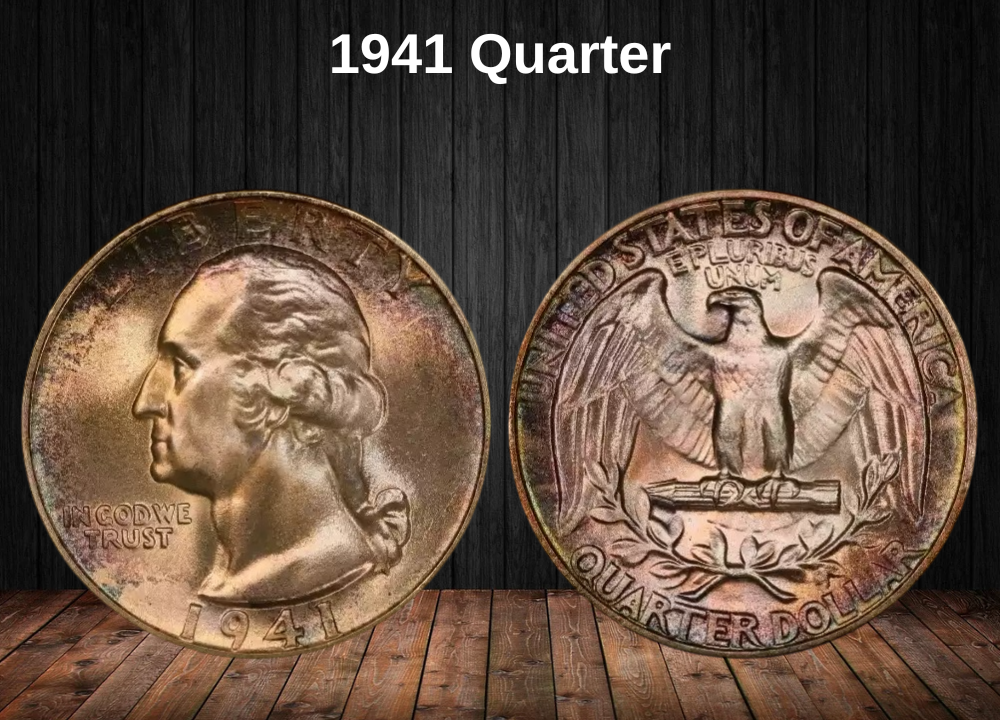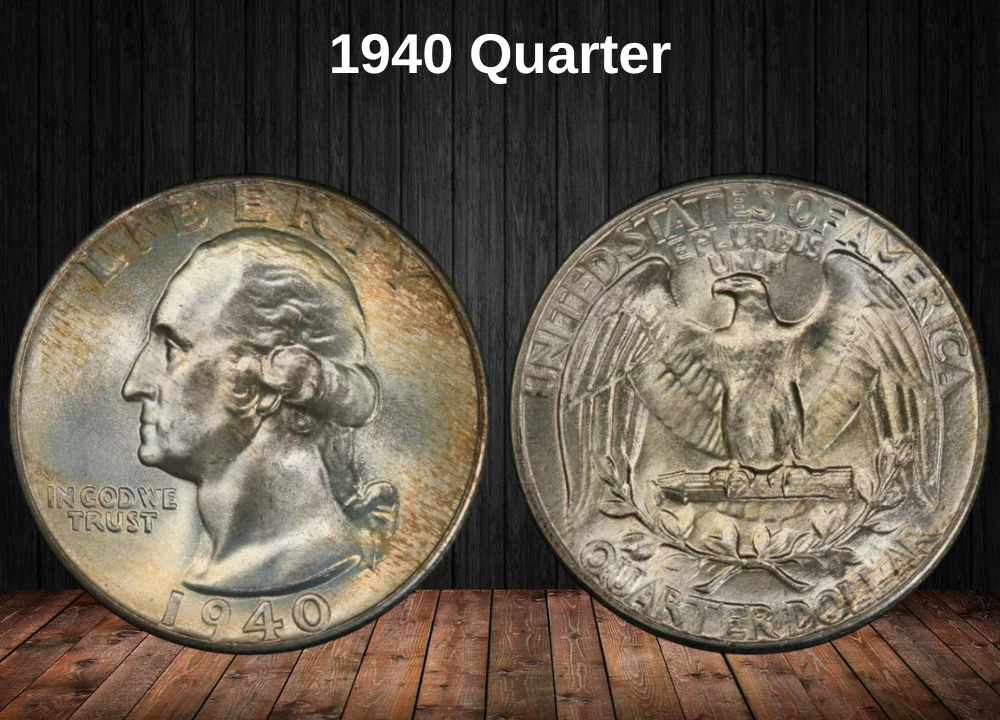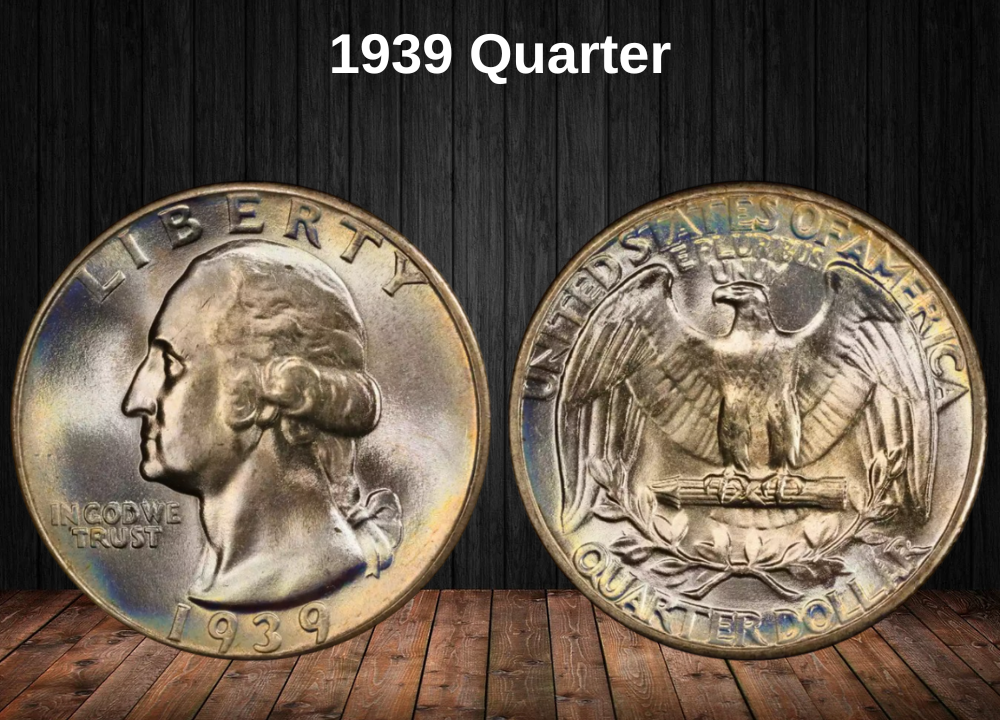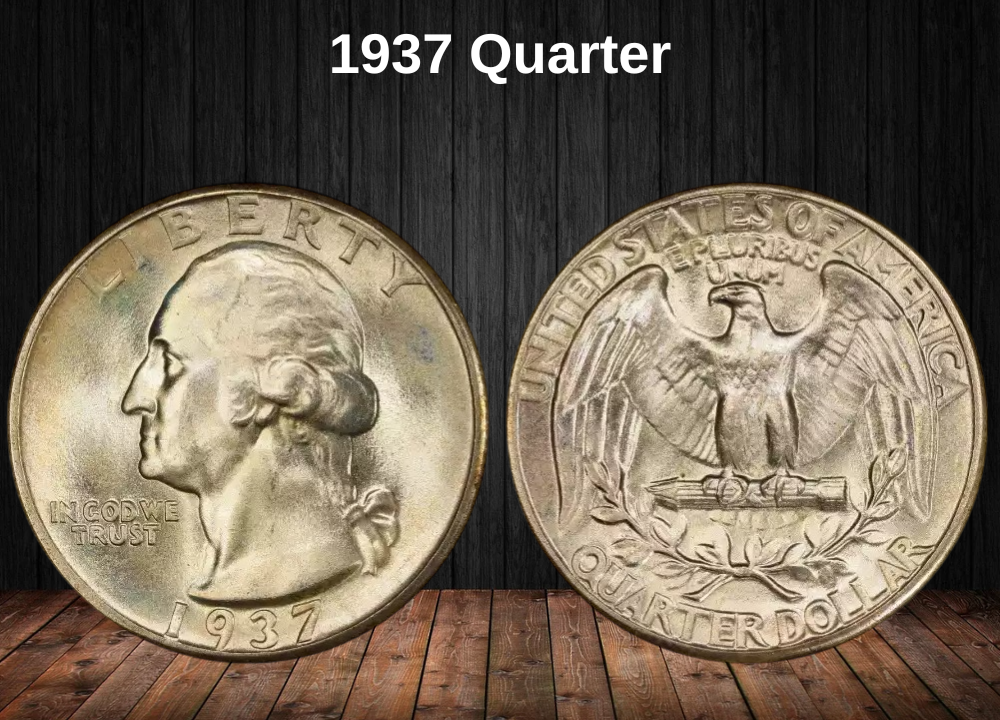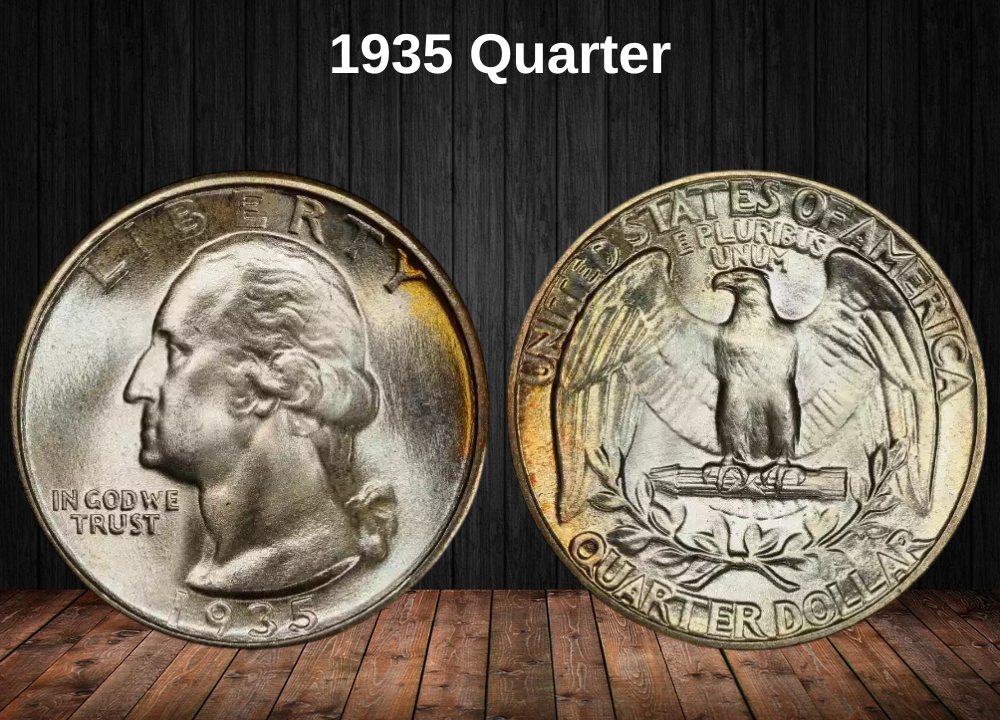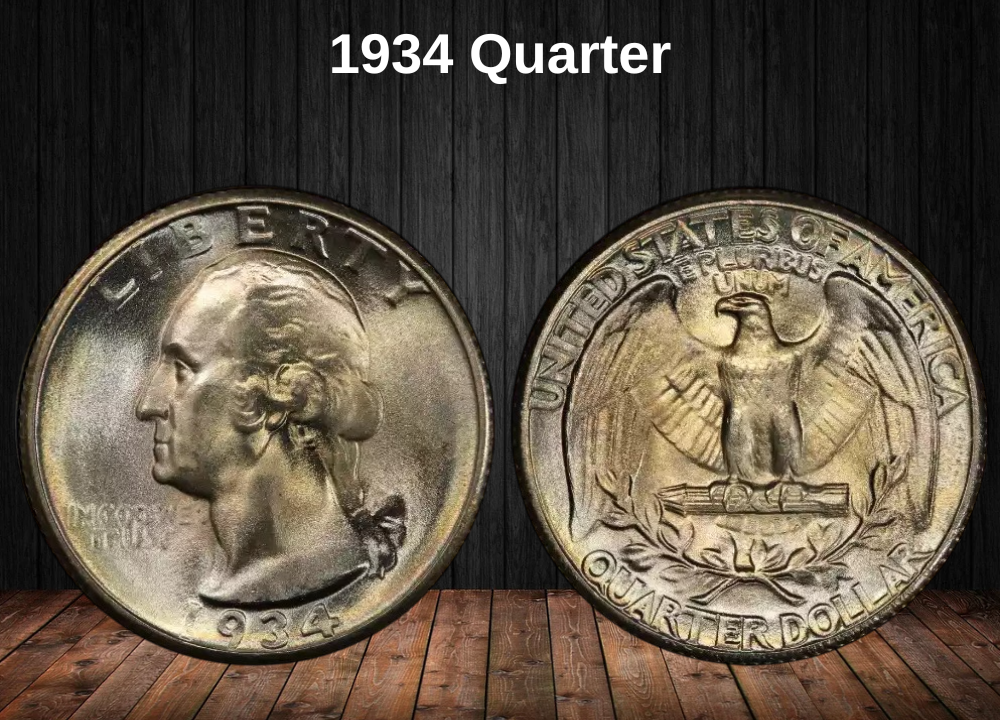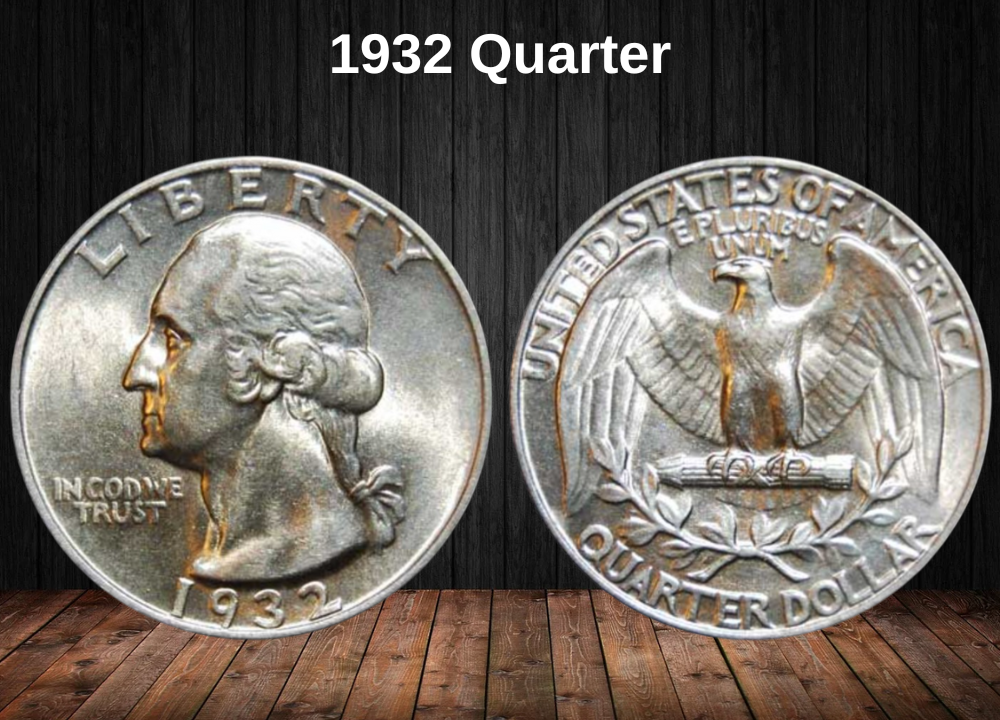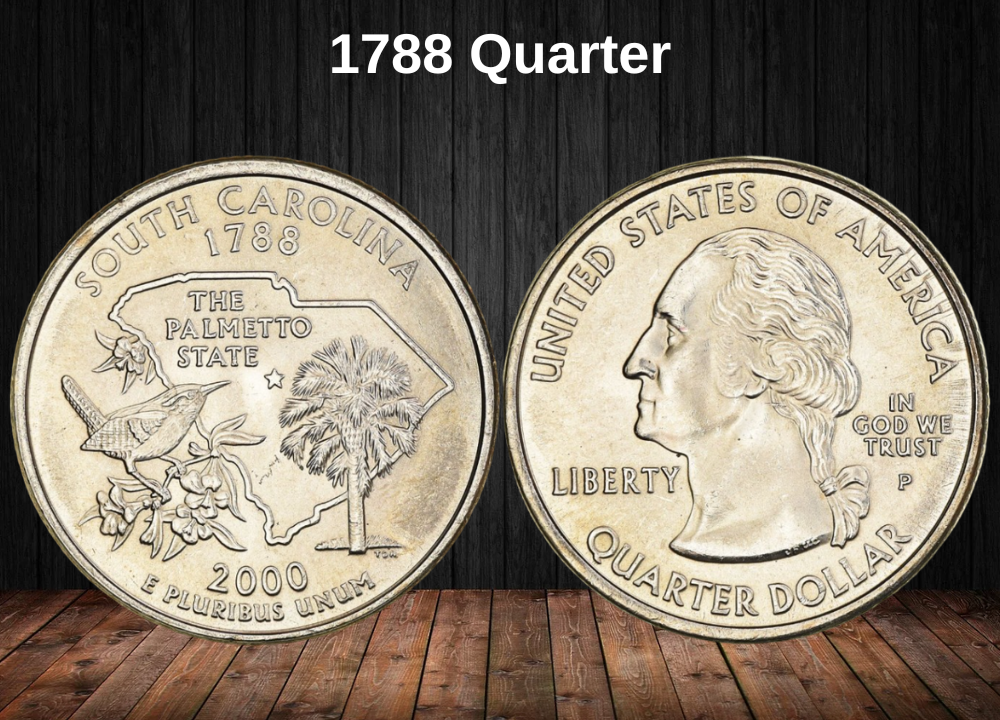
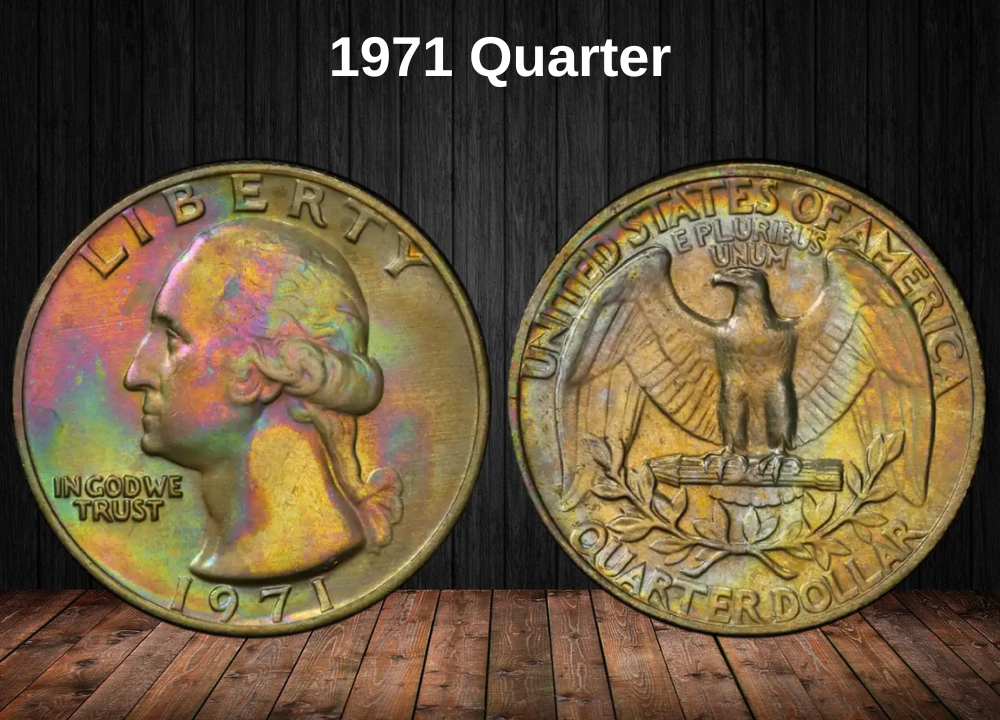
The 1971 Washington Quarter may look like ordinary pocket change, but it carries layers of history and surprising value potential.
Designed by John Flanagan, whose controversial 1932 winning design was chosen over Laura Gardin Fraser’s more artistic entry, this coin embodies decades of numismatic debate. By 1971, the silver era was over, and America had fully transitioned to copper-nickel clad coinage. Yet even in this “modern” era, collectors soon realized that quality, mint marks, and proof finishes could transform common quarters into desirable collectibles.
While circulated examples remain worth their face value of 25 cents, pristine specimens tell a very different story. High-grade Philadelphia issues without a mint mark can reach up to $54.00, while San Francisco Deep Cameo proofs climb as high as $64.75. Denver coins, though common, still offer collector value in upper mint state grades.
The 1971 quarter proves that even a non-silver coin from the clad era can surprise collectors and investors when preserved in exceptional condition.
1971 Quarter Value By Variety
Here’s what your 1971 quarters are worth depending on type and grade. If you know your coin’s condition, you can match it to the price range below.
1971 Quarter Value Chart
| Type | Good | Fine | AU | MS | PR |
|---|---|---|---|---|---|
| 1971 No Mint Mark Quarter Value | $0.25 | $0.52 | $1.34 | $54.00 | — |
| 1971 D Quarter Value | $0.25 | $0.29 | $0.67 | $7.83 | — |
| 1971 S Proof Quarter Value | — | — | — | — | $5.17 |
| 1971 S CAM Quarter Value | — | — | — | — | $8.25 |
| 1971 S DCAM Quarter Value | — | — | — | — | $64.75 |
Top 7 Most Valuable 1971 Quarters Worth Money
While most 1971 quarters trade near face value, a handful of rare, high-grade, and proof-designated examples have achieved outstanding auction results. Here are the top seven most valuable 1971 quarters ever recorded:
| Rank | Coin Variety & Grade | Price Realized | Auction House / Note |
|---|---|---|---|
| 1 | 1971 No Mint Mark Quarter MS-67 | $2,760 | Stack’s Bowers, Premium Gem rarity |
| 2 | 1971-S Proof Quarter PR-69 DCAM | $1,560 | Heritage Auctions, Deep Cameo contrast |
| 3 | 1971-D Quarter MS-67 | $1,020 | PCGS Auction, Denver gem survivor |
| 4 | 1971-S Proof Quarter PR-69 CAM | $720 | Strong cameo eye appeal |
| 5 | 1971 No Mint Mark Quarter MS-66 | $410 | Scarce in high mint state |
| 6 | 1971-S Proof Quarter PR-68 DCAM | $350 | Popular with proof set collectors |
| 7 | 1971-D Quarter MS-66 | $175 | Common date but scarce in this grade |
History of The 1971 Quarter
The 1971 Washington Quarter sits at the crossroads of America’s modern coinage era. By this time, the U.S. Mint had fully transitioned from 90% silver coinage to copper-nickel clad, following the Coinage Act of 1965. The silver shortage and the public’s widespread hoarding of earlier coins had forced this dramatic shift, and by 1971 the clad quarter was firmly established as the standard in everyday commerce.
One of the most interesting aspects of 1971 is its connection to the Washington quarter’s origins. The design by John Flanagan, first chosen in 1932 to honor George Washington’s 200th birthday, continued unchanged into the clad era. Flanagan’s bust of Washington, based on Jean-Antoine Houdon’s 1785 sculpture, was still in use almost forty years later. While some critics argued for replacing the design, the quarter had already become a familiar and trusted part of American life.
Mint production in 1971 was robust. Philadelphia struck quarters without mint marks, Denver produced the “D” variety, and San Francisco resumed proof coinage after the Special Mint Set years of 1965–1967. This marked one of the first times collectors could once again obtain high-quality proofs with cameo or deep cameo finishes, which are now among the most desirable coins from this year.
The year also reflects the growing interest in condition rarity. Unlike silver quarters of earlier decades, 1971 clad quarters were less likely to be saved in pristine condition. As a result, high-grade mint state and proof examples have become far scarcer than their original mintages suggest, creating a fascinating market dynamic where modern coins can carry surprisingly high premiums.
In short, the 1971 Washington Quarter tells the story of America’s adjustment to a new monetary reality—no longer silver, but still carrying the legacy of one of the nation’s most iconic coin designs.
Key Features of the 1971 Quarter
The 1971 Washington Quarter continued John Flanagan’s iconic design, bridging the early silver era with the modern clad era. While its composition had changed, the design remained almost identical to the original 1932 issue.
The Obverse of the 1971 Quarter
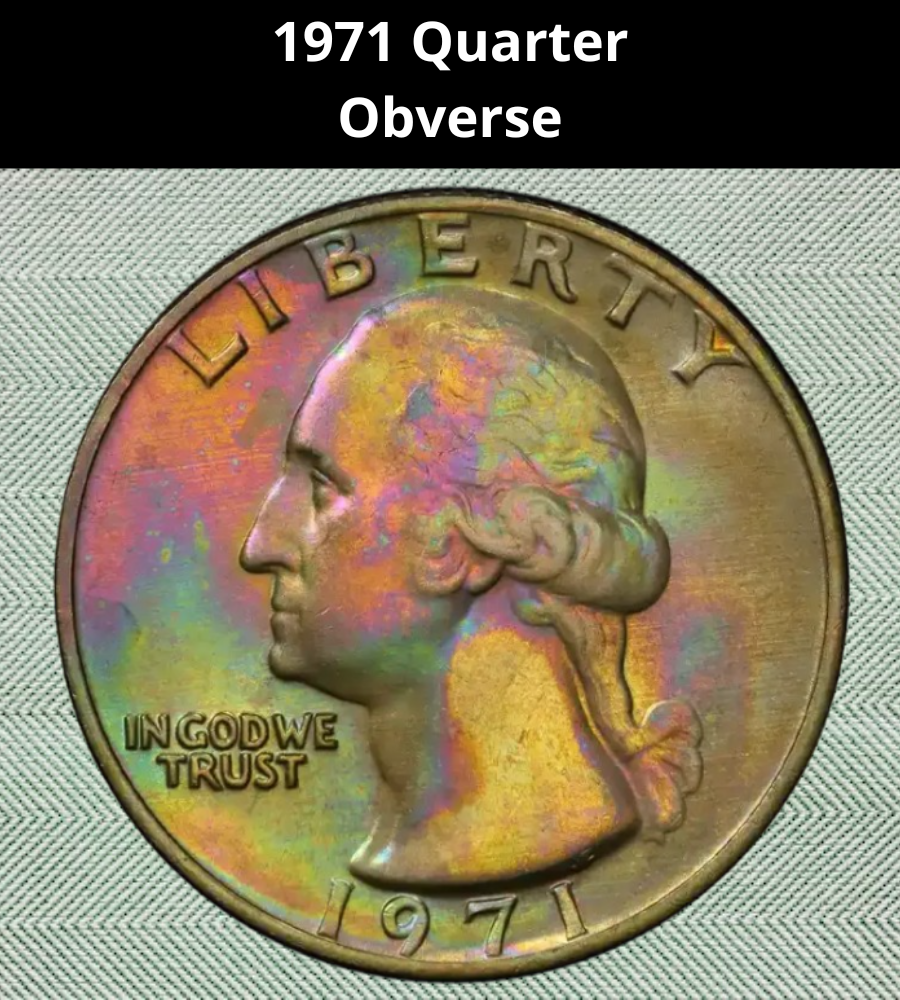
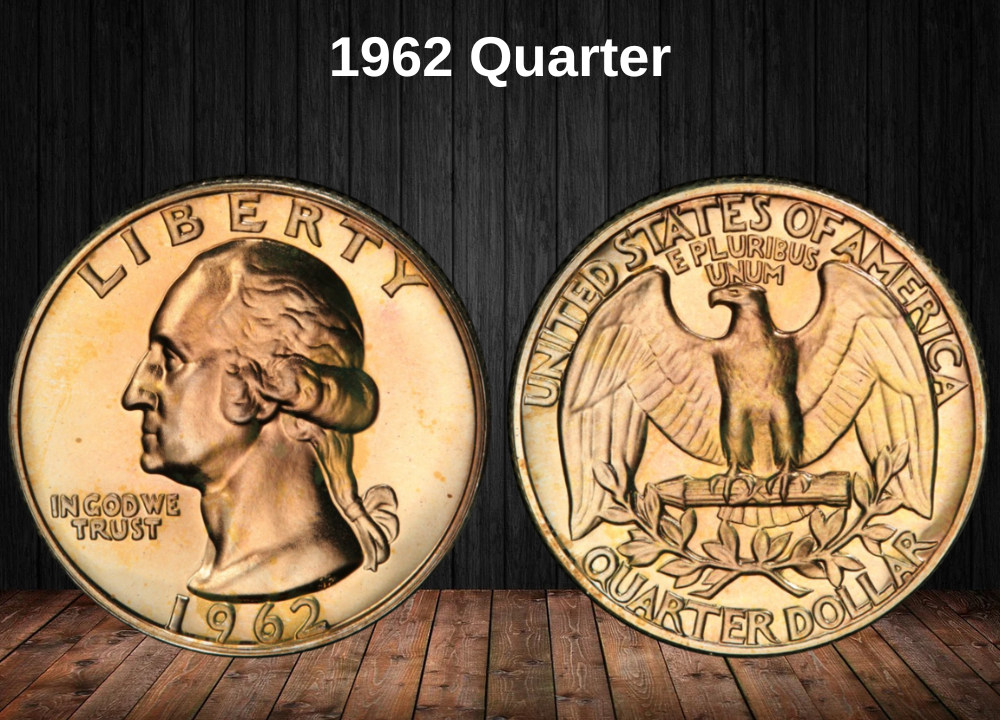
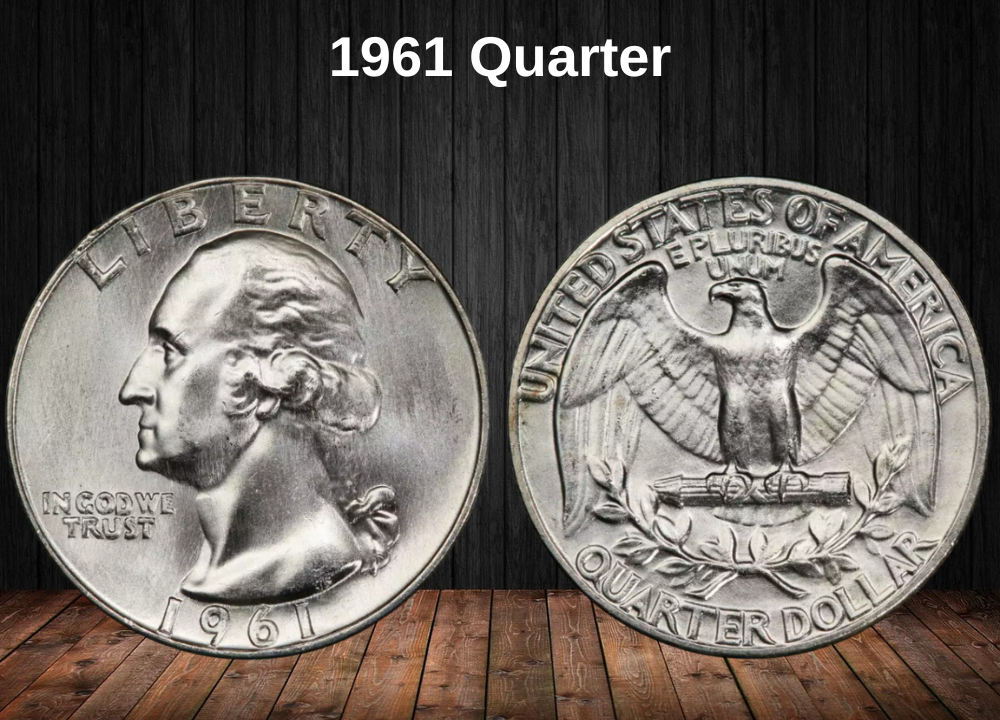
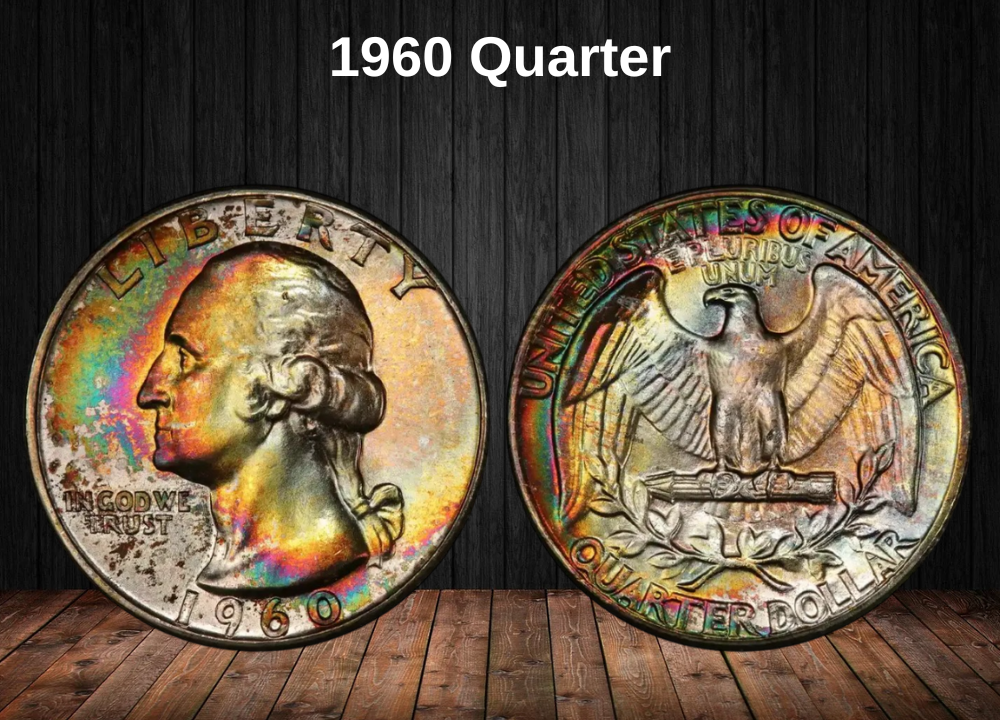
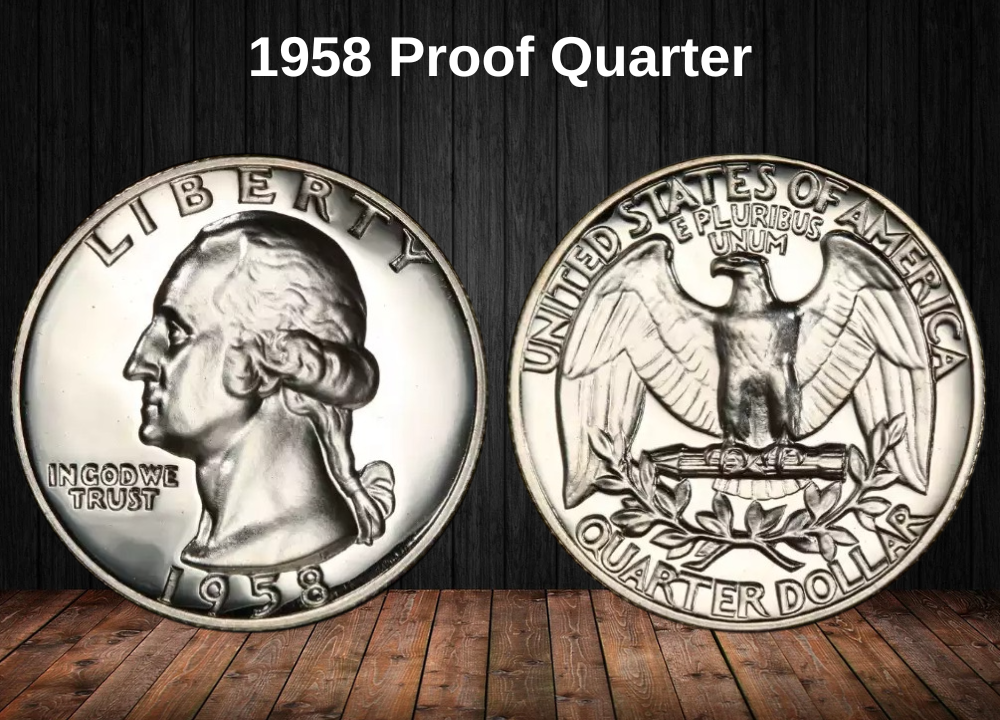
The obverse features a left-facing bust of George Washington, adapted from Jean-Antoine Houdon’s 1785 sculpture. Across the upper rim appears “LIBERTY”, while the national motto “IN GOD WE TRUST” is inscribed to the left of Washington’s neck. The date 1971 sits prominently below the bust. The designer’s initials JF (for John Flanagan) can be seen at the neckline truncation.
The Reverse of the 1971 Quarter
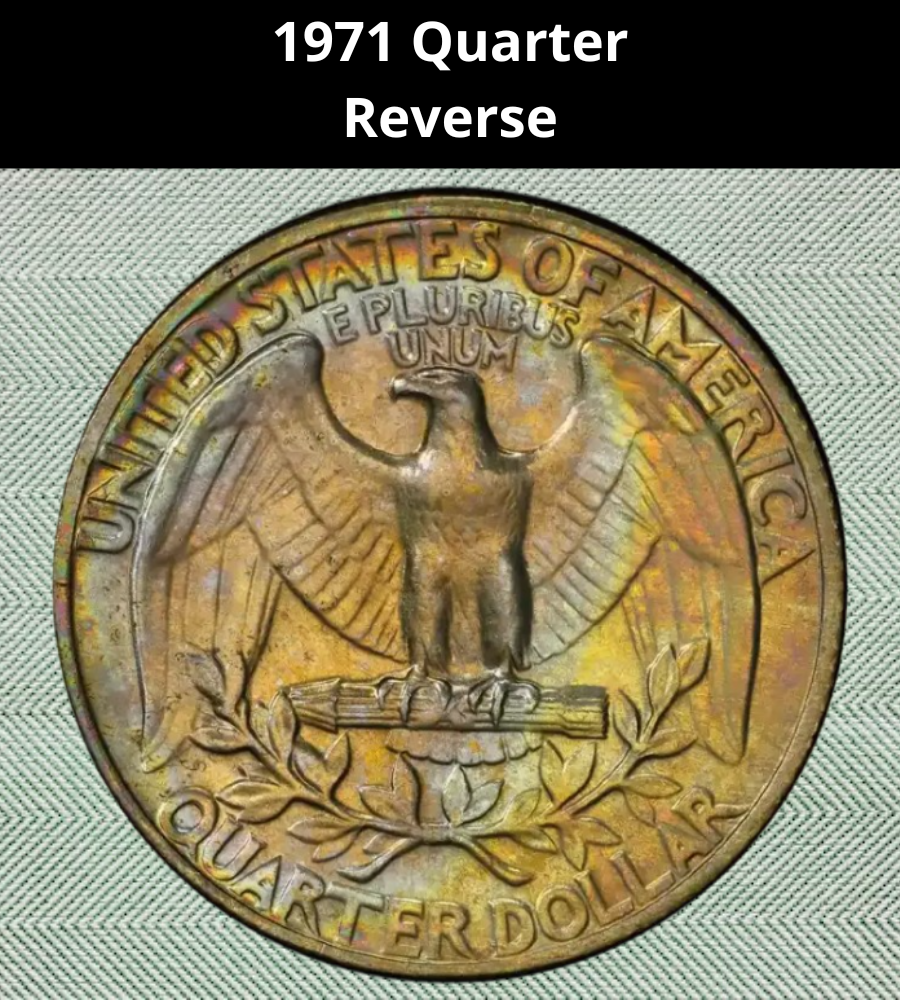
The reverse displays the heraldic bald eagle, wings spread wide, perched atop a bundle of arrows symbolizing America’s strength and readiness for defense. Below the eagle are two olive branches forming a partial wreath, representing peace. The inscriptions include “UNITED STATES OF AMERICA” along the top rim, “E PLURIBUS UNUM” above the eagle’s head, and “QUARTER DOLLAR” at the bottom rim.
Other Features of the 1971 Quarter
- Composition: 91.67% copper, 8.33% nickel (clad over a pure copper core)
- Weight: 5.67 grams
- Diameter: 24.3 mm (0.955 inches)
- Thickness: 1.75 mm (0.069 inches)
- Edge: Reeded, with 119 reeds
- Mint Marks: Philadelphia (no mint mark), Denver (“D”), and San Francisco (“S” for proof coins only)
Unlike the pre-1965 silver issues, the 1971 quarter carries no intrinsic bullion value, but pristine mint state and proof examples are prized for their condition rarity and cameo contrast finishes.
1971 Quarter Grading
Grading 1971 quarters is critical because the difference between a face-value coin and one worth hundreds depends on preservation. Circulated examples typically remain worth only 25 cents, while high-grade Mint State or Proof coins with Cameo (CAM) and Deep Cameo (DCAM) finishes command strong premiums.
1971 Quarter Grading Guide
| Grade | Description | Approximate Value Impact |
|---|---|---|
| Good (G-4) to Fine (F-12) | Heavy circulation wear, flattened hair details, weak eagle feathers. | Face value only ($0.25–$0.52). |
| Extremely Fine (EF-40) | Moderate wear, Washington’s hair shows some separation, eagle’s feathers partially visible. | Slight premium ($1–$2). |
| About Uncirculated (AU-50 to AU-58) | Minor friction on high points, nearly full detail, some luster remains. | $3–$6 depending on eye appeal. |
| Mint State (MS-60 to MS-64) | Uncirculated with marks or dull luster, but still sharp. | $10–$35 depending on mint (higher for Philadelphia). |
| Gem Mint State (MS-65 to MS-67) | Strong strike, full luster, minimal marks. Scarce for 1971. | $75–$2,700+ (highest for MS-67 no-mint-mark). |
| Proof (PR-64 to PR-69) | Mirror-like fields, sharp details. Standard proof value increases with grade. | $5–$30. |
| Proof CAM (PR-66 to PR-69 CAM) | Frosted devices contrast with mirrored fields. | $25–$200+. |
| Proof DCAM (PR-67 to PR-69 DCAM) | Deep frosted devices with bold black-and-white contrast. | $100–$650+. |
1971 Quarter Value Guides
1971 No Mint Mark Quarter Value
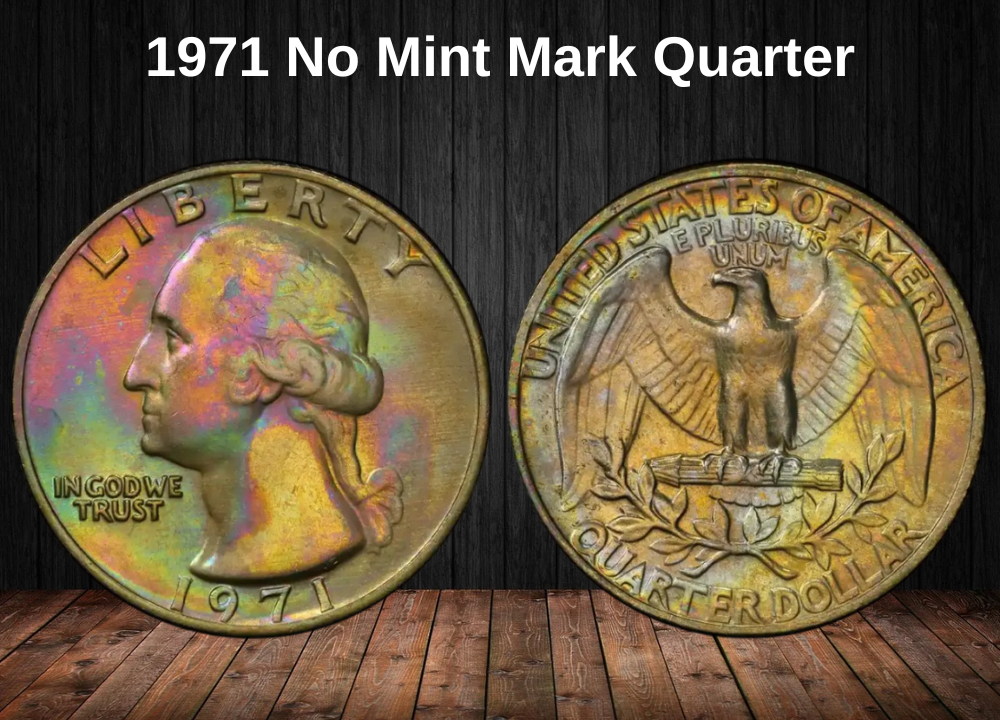
The 1971 No Mint Mark quarter, struck in Philadelphia, is the standout of the year because of its surprising scarcity in higher mint state grades. While over 109 million were produced, most entered heavy circulation, leaving very few pristine survivors.
In circulated condition, these coins are worth face value. However, Mint State examples—especially in MS-66 and MS-67—bring strong premiums because of their rarity and demand among registry set collectors. An MS-67 example once sold for more than $2,700, showing just how dramatically values can rise at the top end of the grading scale.
1971 No Mint Mark Quarter Price/Grade Chart
| Grade | Value Range |
|---|---|
| Good (G-4) | $0.25 |
| Fine (F-12) | $0.52 |
| About Uncirculated (AU-50) | $1.34 |
| Mint State (MS-60) | $10 – $15 |
| Mint State (MS-63) | $25 – $40 |
| Mint State (MS-65) | $125 – $250 |
| Mint State (MS-66) | $450 – $850 |
| Mint State (MS-67) | $2,000 – $2,700+ |
1971-D Quarter Value
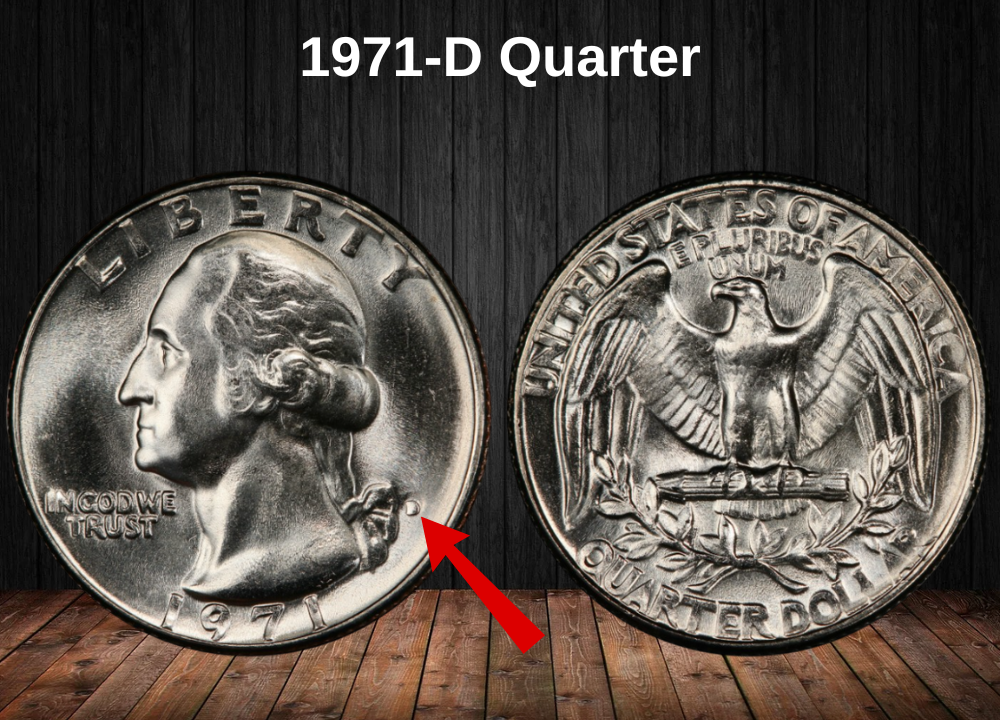
The 1971-D Washington Quarter, struck at the Denver Mint, is by far the most common of the year with a mintage of over 109 million pieces. Most circulated heavily, and as a result, worn examples remain at face value.
While less valuable than the Philadelphia issue in top condition, the Denver quarter becomes collectible at higher Mint State levels. Coins graded MS-65 or better are scarcer due to Denver’s softer strikes and frequent contact marks from bulk handling. In MS-67, these coins can still command strong premiums.
1971-D Quarter Price/Grade Chart
| Grade | Value Range |
|---|---|
| Good (G-4) | $0.25 |
| Fine (F-12) | $0.29 |
| About Uncirculated (AU-50) | $0.67 |
| Mint State (MS-60) | $2 – $4 |
| Mint State (MS-63) | $5 – $12 |
| Mint State (MS-65) | $25 – $50 |
| Mint State (MS-66) | $100 – $175 |
| Mint State (MS-67) | $350 – $500+ |
1971-S Proof Quarter Value
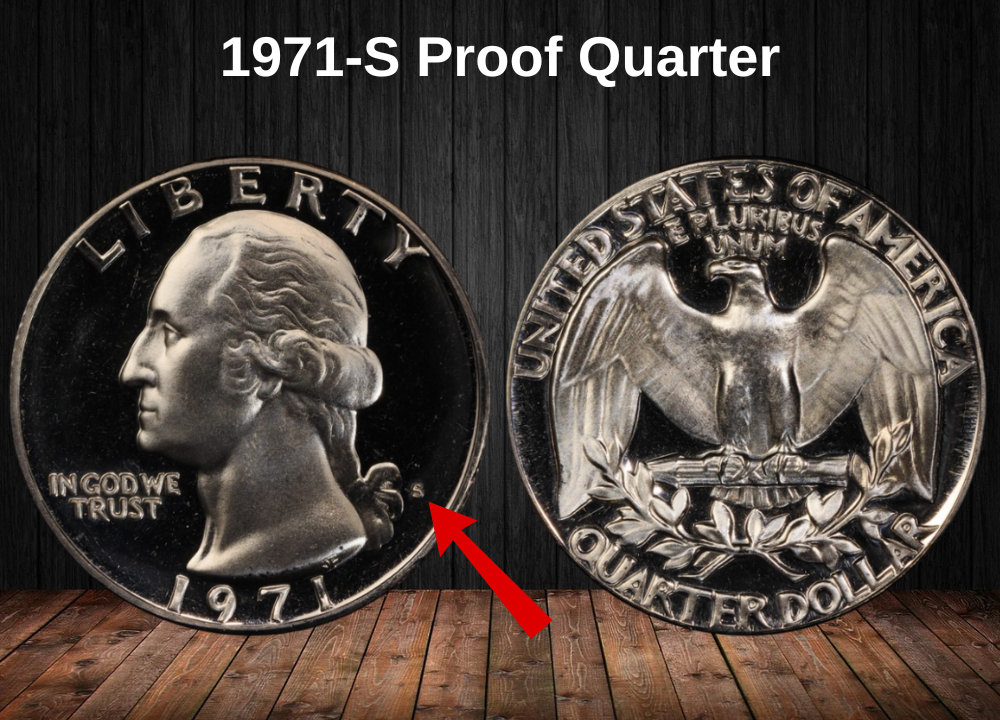
The 1971-S Proof Quarter marks one of the first years after the Special Mint Set (SMS) era ended, with San Francisco once again striking proofs for collectors. A total of 3.2 million proof quarters were produced, making them relatively common compared to earlier proof issues.
These coins feature sharp strikes and mirror-like fields, but many examples lack the strong contrast required for Cameo (CAM) or Deep Cameo (DCAM) designations. Regular proofs remain affordable, while higher-grade examples in PR-69 and those with cameo contrast bring stronger premiums.
1971-S Proof Quarter Price/Grade Chart
| Grade | Value Range |
|---|---|
| PR-64 | $3 – $5 |
| PR-65 | $5 – $7 |
| PR-66 | $8 – $12 |
| PR-67 | $15 – $20 |
| PR-68 | $25 – $40 |
| PR-69 | $45 – $65 |
1971-S CAM Quarter Value
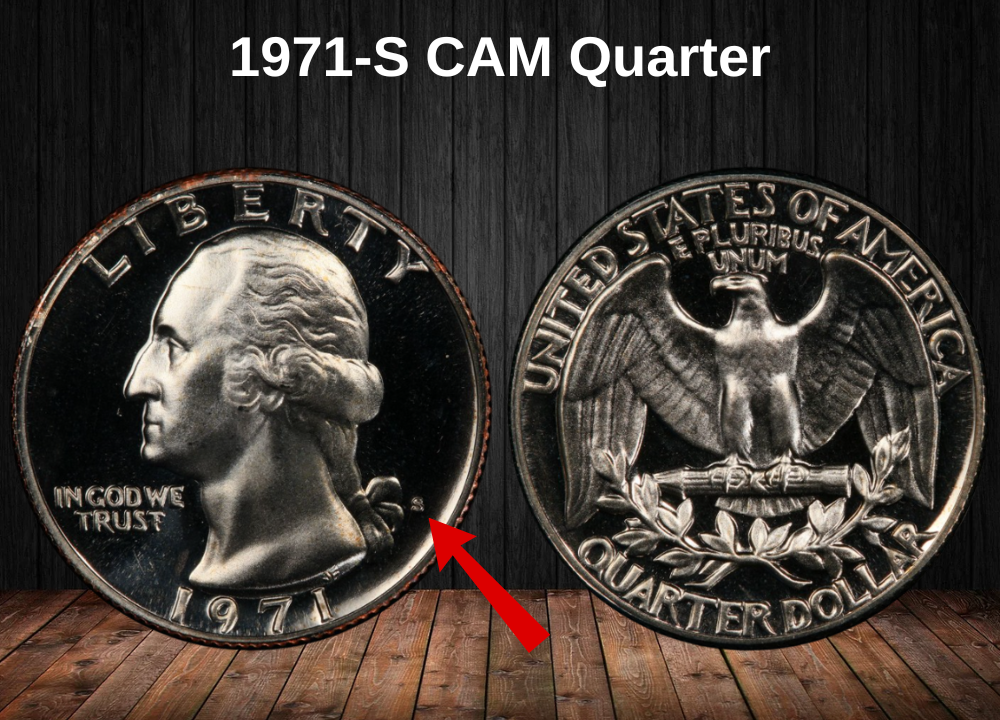
The 1971-S Cameo (CAM) Proof Quarter is far scarcer than the standard proof issue. The “Cameo” designation is awarded when the coin displays strong frosted devices that contrast beautifully with its mirror-like fields. This striking black-and-white appearance results from fresh die preparation during the earliest stages of proof production.
Because most 1971-S proofs lack this sharp contrast, certified CAM examples are significantly more valuable. Collectors particularly prize higher grades like PR-68 and PR-69 CAM, where the frosted relief remains crisp against deeply reflective surfaces.
1971-S CAM Quarter Price/Grade Chart
| Grade | Value Range |
|---|---|
| PR-64 CAM | $12 – $18 |
| PR-65 CAM | $20 – $28 |
| PR-66 CAM | $30 – $40 |
| PR-67 CAM | $50 – $75 |
| PR-68 CAM | $100 – $175 |
| PR-69 CAM | $225 – $325 |
1971-S DCAM Quarter Value
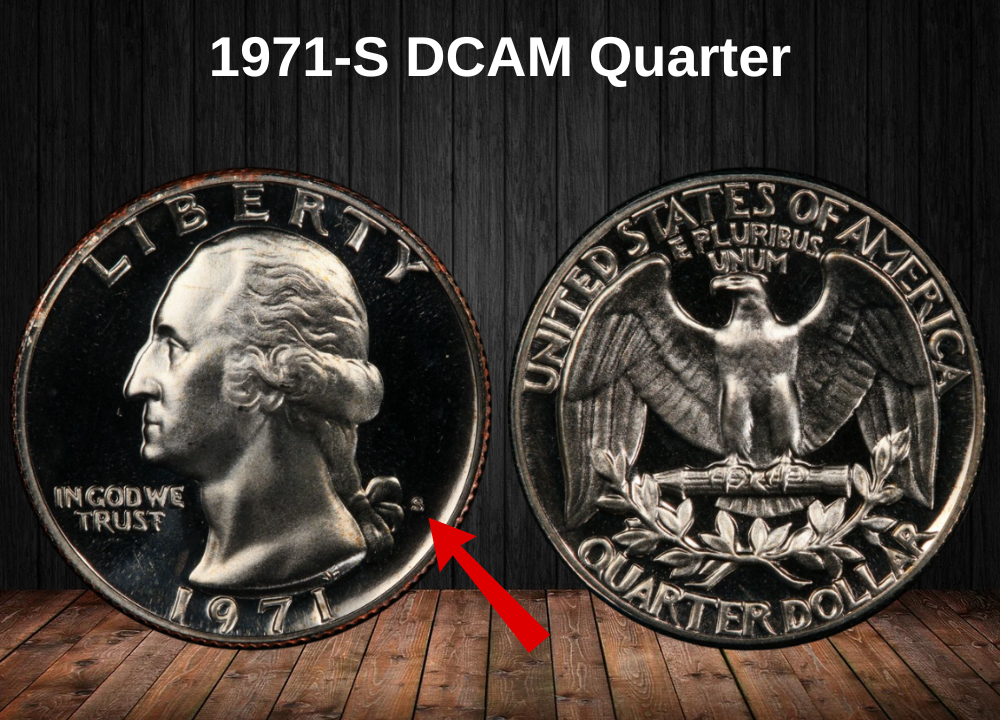
The 1971-S Deep Cameo (DCAM) Proof Quarter represents the ultimate proof finish for this year. Coins with this designation show heavy frosting on the devices and deeply mirrored fields, producing a dramatic black-and-white contrast.
Unlike regular proofs or even CAMs, only a fraction of 1971-S quarters achieve the DCAM standard, as it required the sharpest dies and optimal striking conditions. Because of this, DCAM proofs are among the most desirable modern quarter varieties.
High-grade DCAM examples, especially those graded PR-69 DCAM, bring strong premiums and are considered essential pieces for collectors assembling high-quality Washington quarter sets.
1971-S DCAM Quarter Price/Grade Chart
| Grade | Value Range |
|---|---|
| PR-64 DCAM | $25 – $35 |
| PR-65 DCAM | $40 – $55 |
| PR-66 DCAM | $60 – $85 |
| PR-67 DCAM | $100 – $150 |
| PR-68 DCAM | $200 – $350 |
| PR-69 DCAM | $450 – $650 |
Rare 1971 Quarter Error List
Though the 1971 Washington Quarter is a clad issue from the post-silver era, it still produced several notable minting errors. These mistakes not only add excitement for collectors but also significantly increase the value of an otherwise common coin. Below are the most important error varieties from 1971, with updated value charts.
1. 1971-D Doubled Die Obverse (DDO)
Some 1971-D quarters exhibit hub doubling on the obverse inscriptions, most clearly visible on “LIBERTY” and “IN GOD WE TRUST.” Under magnification, the letters show separation or thickening that distinguishes them from strike doubling.
Value Chart – 1971-D DDO
| Grade | Value Range |
|---|---|
| VF-20 | $35 – $60 |
| EF-40 | $75 – $120 |
| AU-50 | $150 – $220 |
| MS-60 | $250 – $375 |
| MS-63 | $500 – $750 |
| MS-65 | $1,200 – $1,800 |
2. 1971-D Doubled Die Reverse (DDR)
This variety displays doubling on the reverse lettering (“UNITED STATES OF AMERICA” and “QUARTER DOLLAR”) and occasionally on the eagle’s feathers. The effect ranges from mild to strong, with bolder examples commanding higher prices.
Value Chart – 1971-D DDR
| Grade | Value Range |
|---|---|
| VF-20 | $25 – $40 |
| EF-40 | $50 – $80 |
| AU-50 | $100 – $160 |
| MS-60 | $180 – $250 |
| MS-63 | $350 – $500 |
| MS-65 | $800 – $1,200 |
3. 1971 Off-Center Strike
Off-center strikes occur when a coin is not properly aligned in the press, leaving part of the design missing and exposing blank planchet space. Examples with visible dates are the most valuable, especially when off-center by 20% or more.
Value Chart – 1971 Off-Center Quarter
| Off-Center % | Value Range |
|---|---|
| 5–10% | $30 – $60 |
| 15–25% | $80 – $150 |
| 30–50% (with date visible) | $200 – $400+ |
4. 1971 Clipped Planchet
Clipped planchets occur when the blanking machine cuts too close to the edge of a metal strip, producing coins with curved or straight clips. Larger clips and those with the Blakesley effect (rim weakness opposite the clip) are most collectible.
Value Chart – 1971 Clipped Planchet
| Grade | Value Range |
|---|---|
| VF–EF | $20 – $40 |
| AU | $50 – $75 |
| MS-60 | $100 – $150 |
| MS-63+ | $200 – $300 |
5. 1971 Broadstrike / Partial Collar
When a quarter is struck without the restraining collar, the coin spreads wider and loses its reeded edge. Partial collar strikes, sometimes called “railroad rim” errors, show a dual edge appearance. These are scarcer and valued by specialists.
Value Chart – 1971 Broadstrike / Partial Collar
| Grade | Value Range |
|---|---|
| AU | $40 – $70 |
| MS-60 | $80 – $120 |
| MS-63 | $150 – $220 |
| MS-65 | $300 – $450 |
Where to Sell Your Quarter Coin?
Now that you know the value of your quarter, the next step is deciding where to sell it. There are several trusted options—both online and in person—that can help you get the best price depending on your coin’s rarity and condition.
To see the full list of recommended places, along with their advantages and disadvantages, check our complete guide on where to sell your quarter coins.
FAQ About The 1971 Quarter
1) What makes the 1971-S Proof DDO FS-101 significant among modern doubled dies?
It shows bold, spread doubling in IN GOD WE TRUST and the date, making it one of the strongest and most sought-after doubled dies of the clad Proof era.
2) Why are MS-67 business strikes from 1971 so scarce despite huge mintages?
The coins often exhibit weak strikes, bag marks, and dull luster due to mass production. True gem survivors with clean fields and full detail are rare condition outliers.
3) How do grading services weigh eye appeal vs. technical grade in 1971 quarters?
For clad coins of this era, eye appeal (booming luster, clean surfaces) can push a coin into MS-67 even with minor ticks, while flat strikes or unattractive toning often cap the grade below gem.
4) What diagnostic features separate true doubled dies from strike doubling in 1971 issues?
- True DDO: Split serifs, rounded secondary impressions, design thickness.
- Strike doubling: Flat, shelf-like “smearing” with reduced device thickness. Only the first carries premium.
5) Why are 1971-S Proof Deep Cameo coins conditionally rare?
Early die states produced frosted devices with mirrorlike fields, but as dies wore, contrast faded. Few DCAMs survived without hairlines, making PR-69 DCAMs especially prized.
6) How do wrong-planchet errors add value to 1971 quarters?
Some were struck on dime or foreign planchets, producing underweight coins with incomplete rims. These dramatic mint errors are highly collectible, with values far above typical clad examples.
7) What long-term investment categories exist for 1971 quarters?
- 1971-S Proof DDO FS-101
- MS-67 business strikes (P and D)
- Proofs with DCAM contrast
These areas combine rarity, registry demand, and strong numismatic recognition.