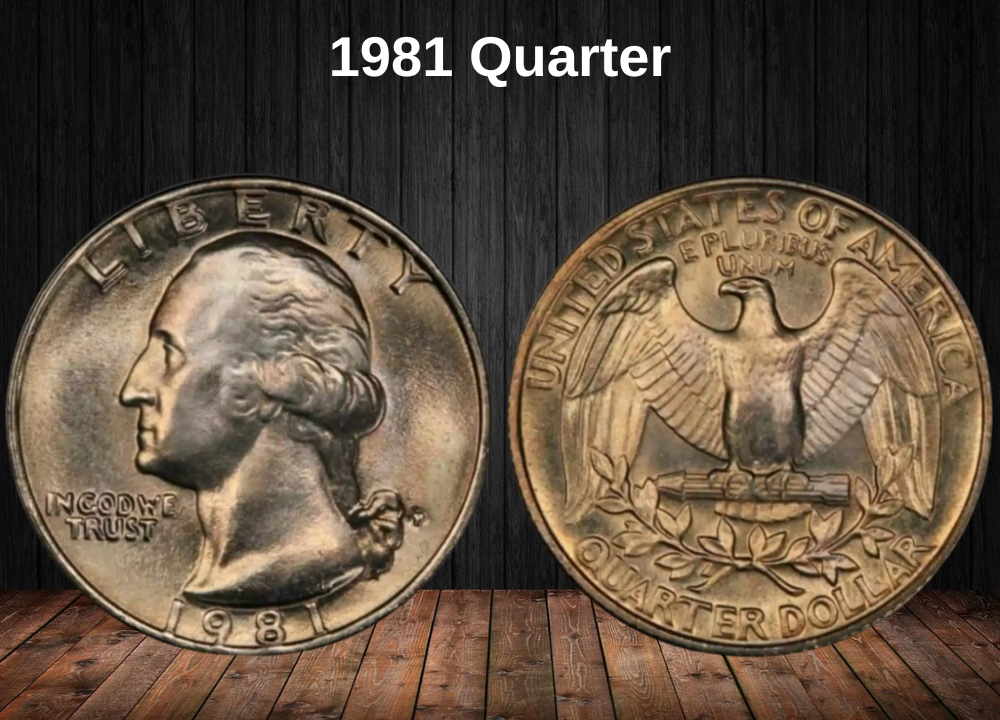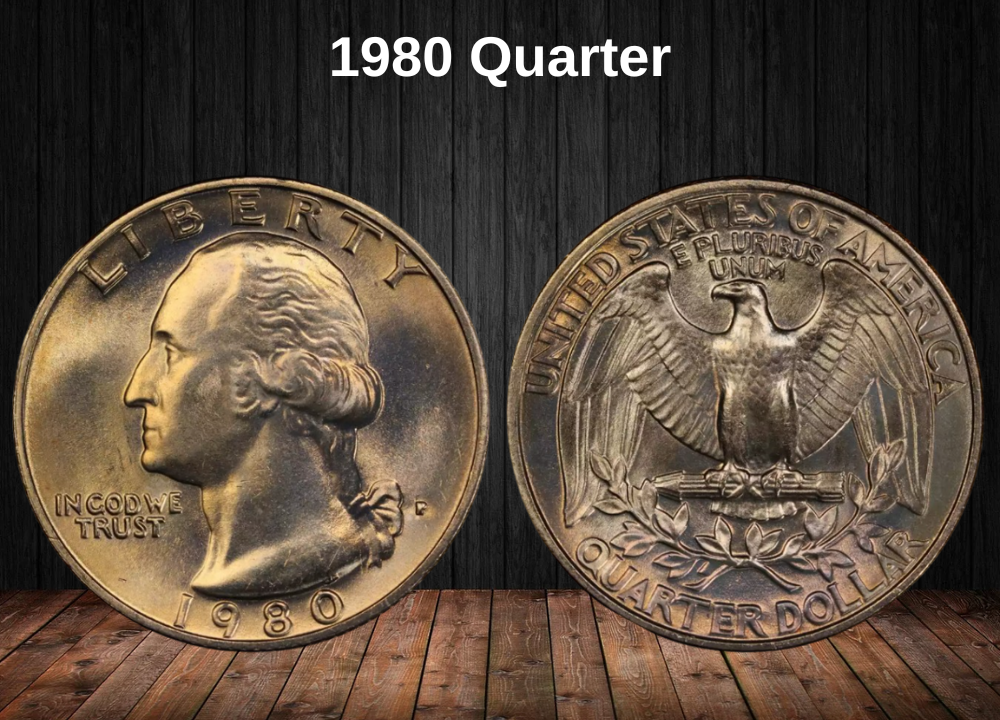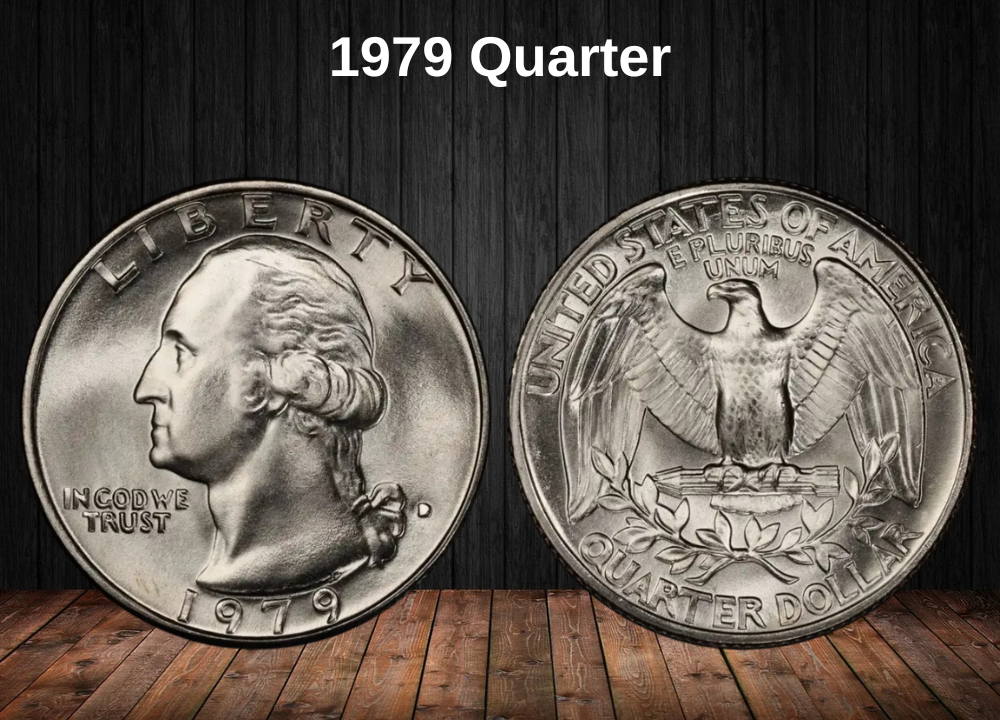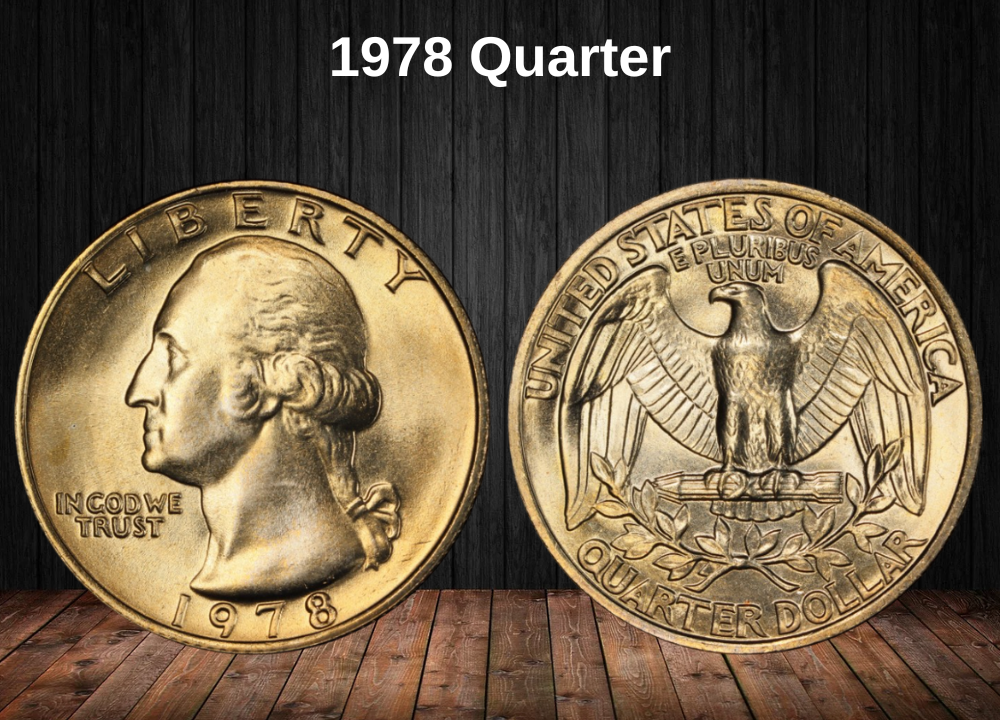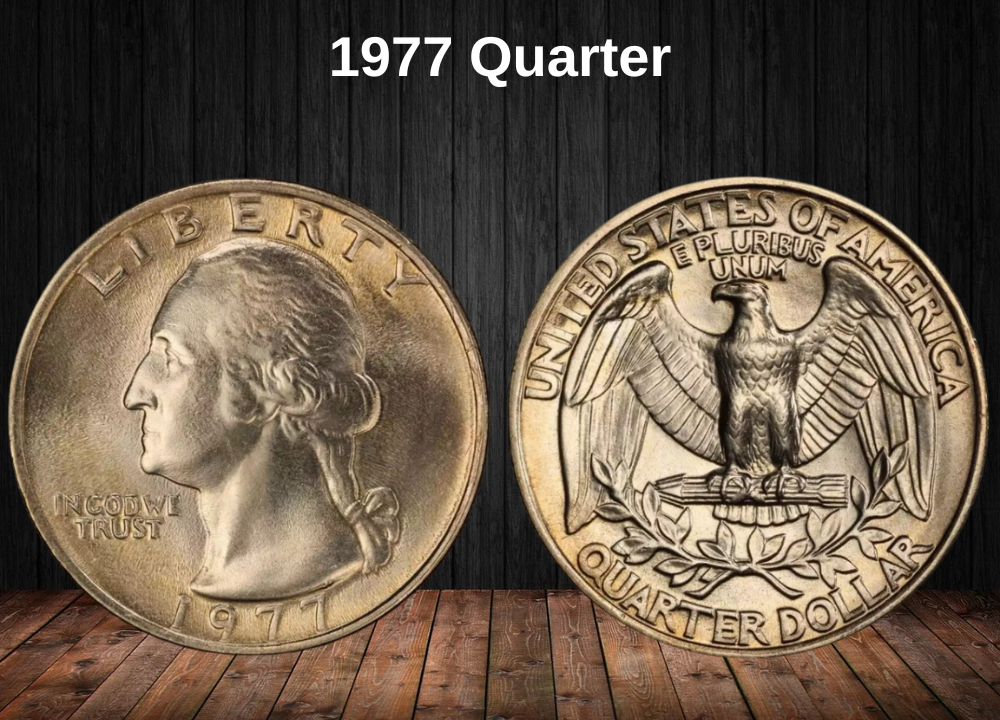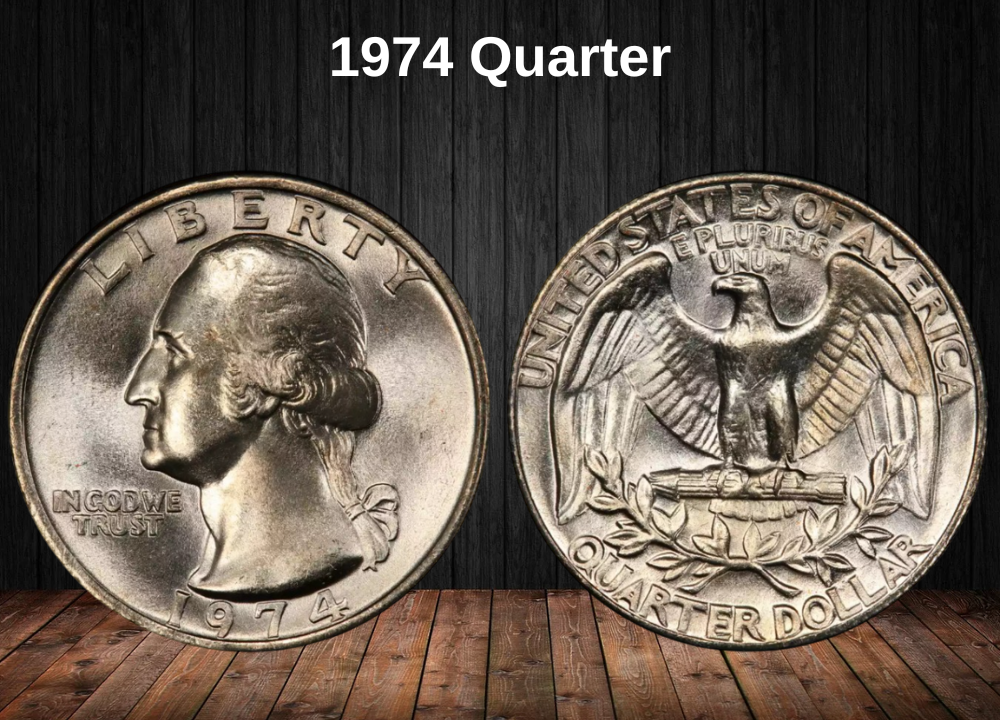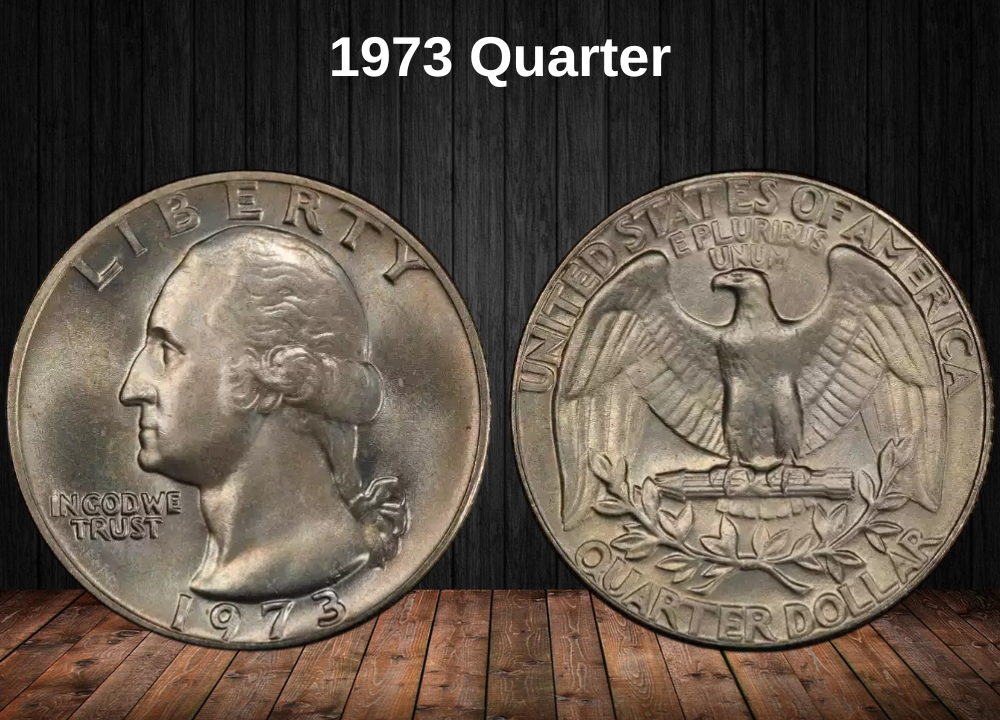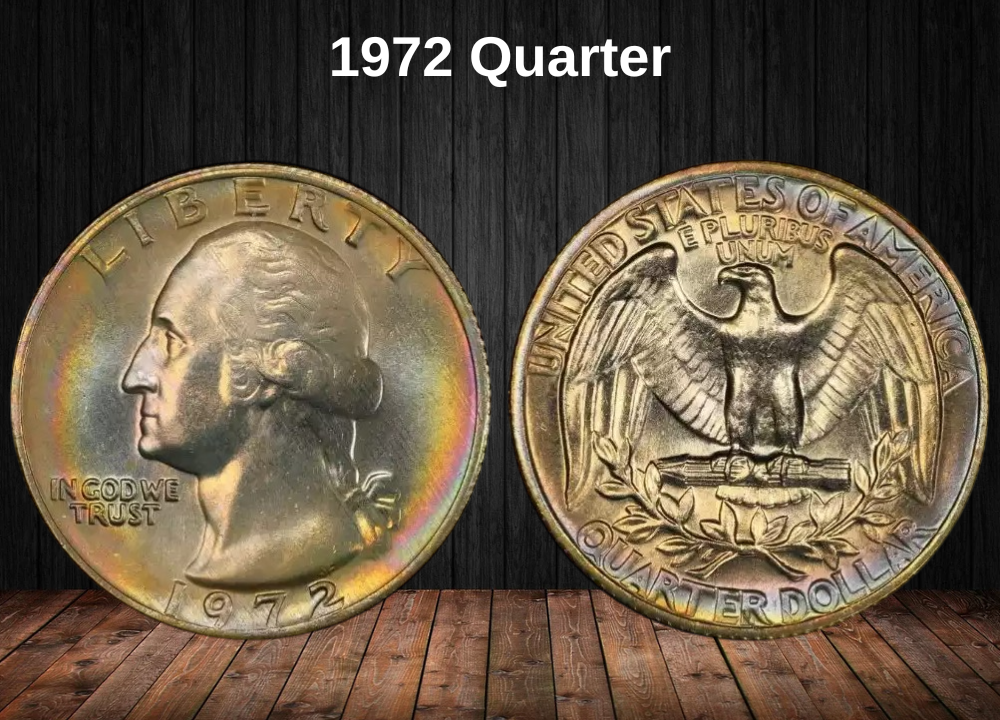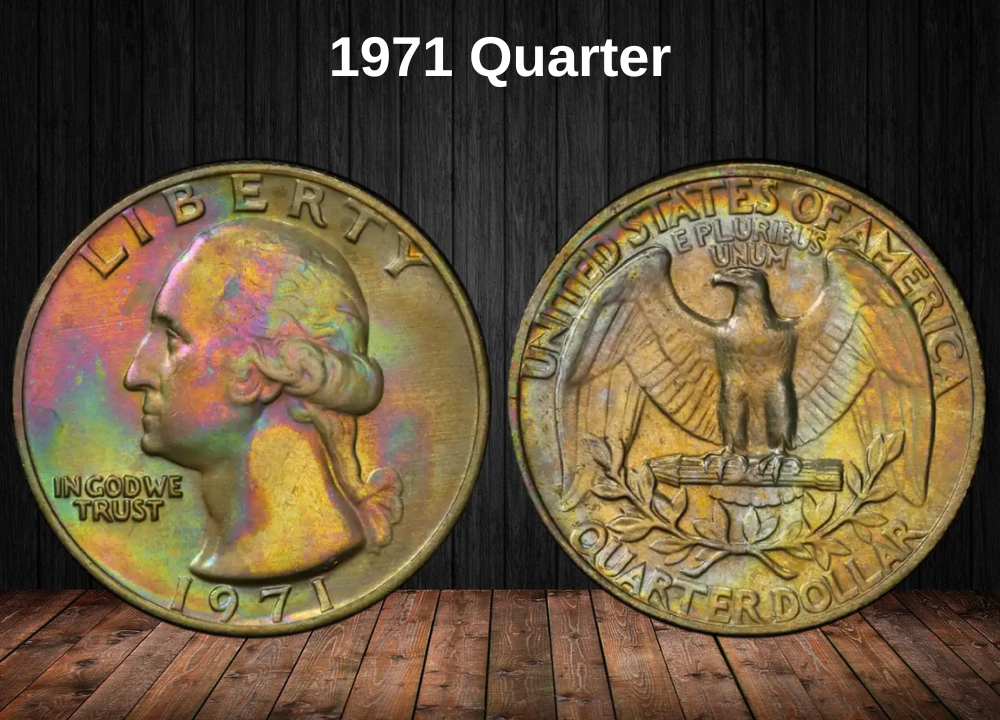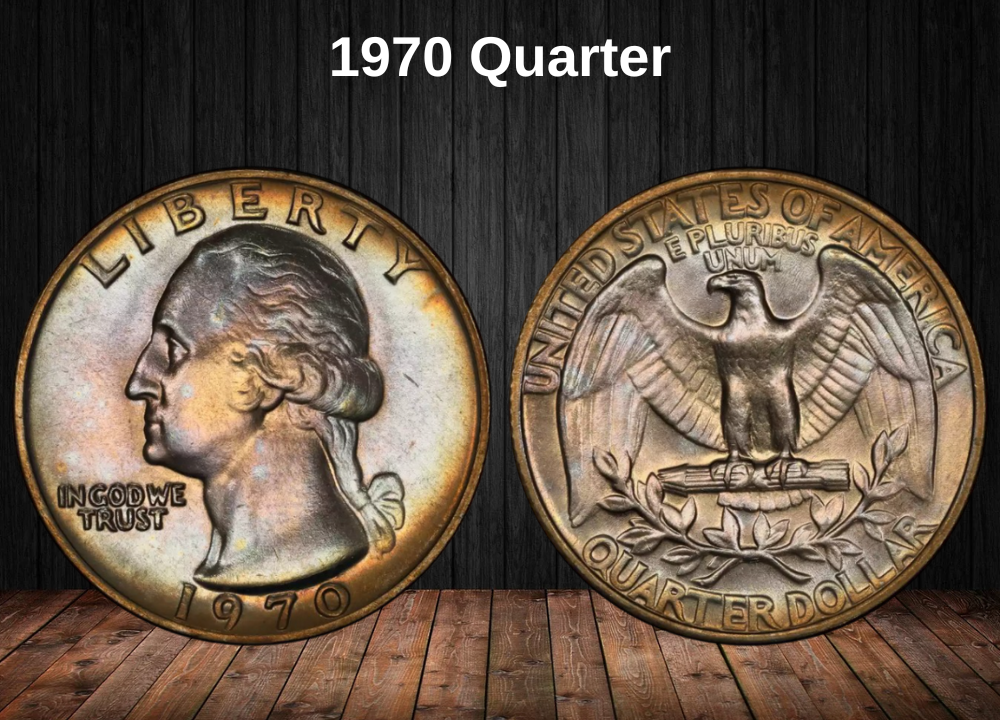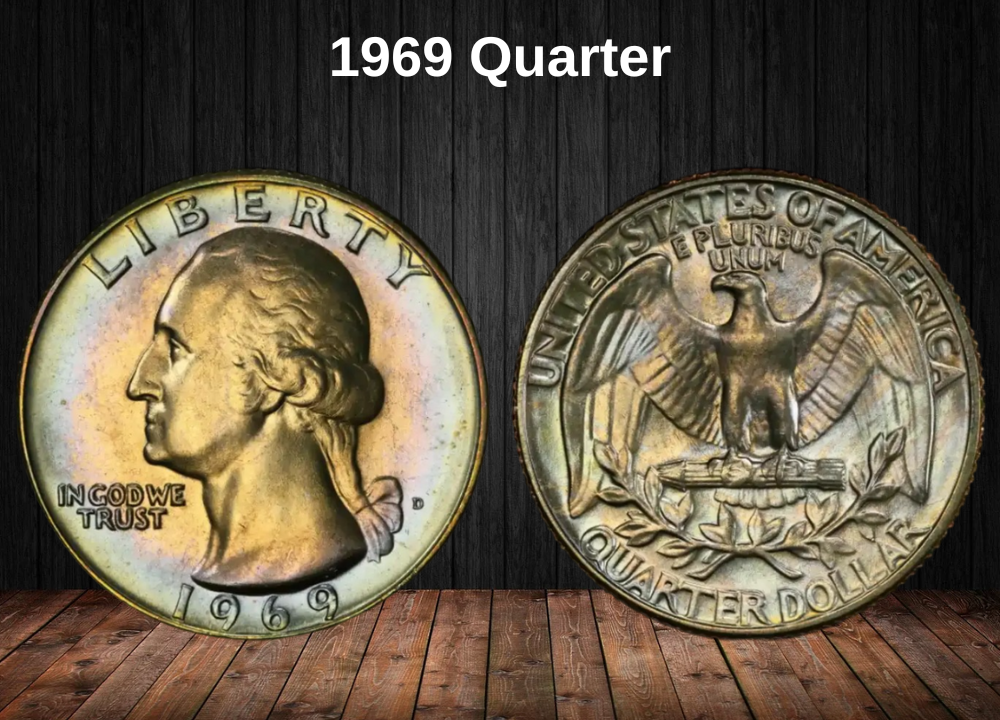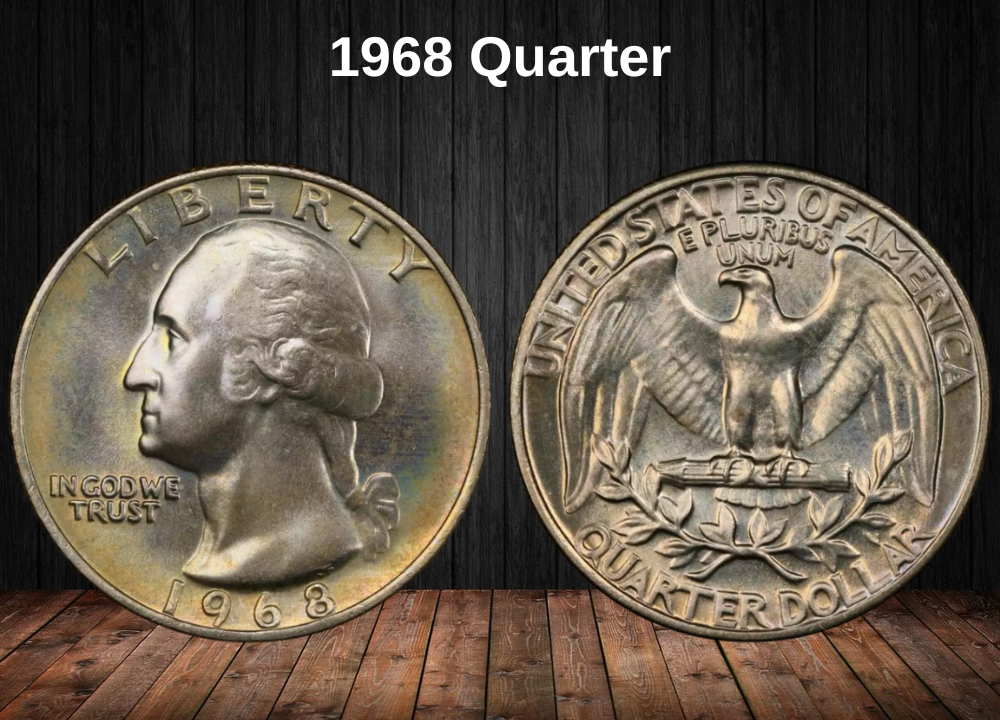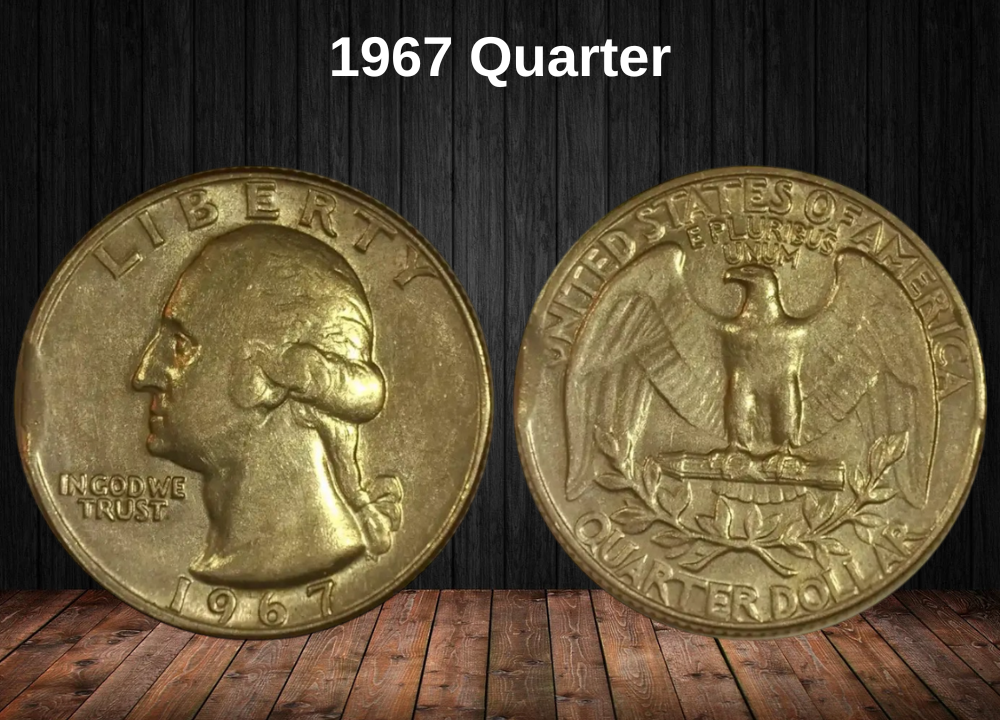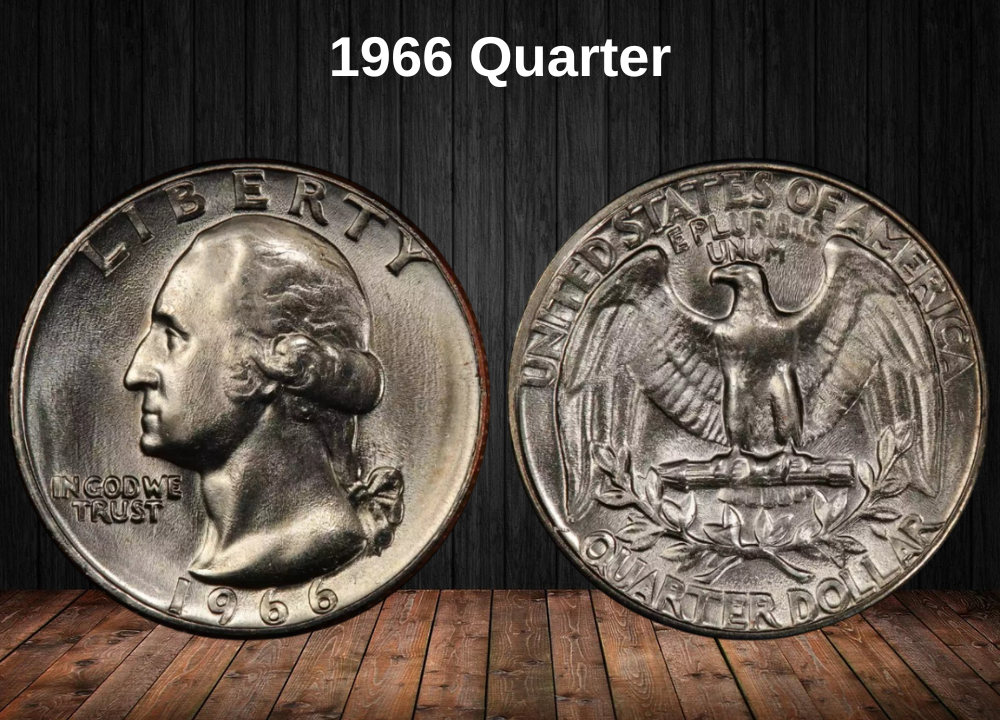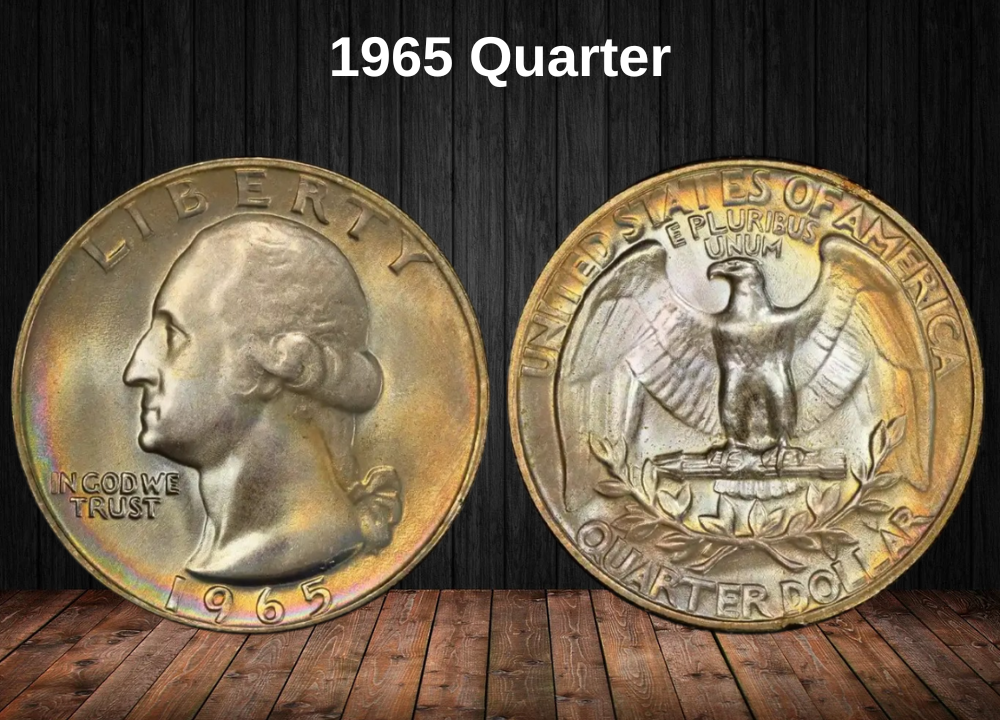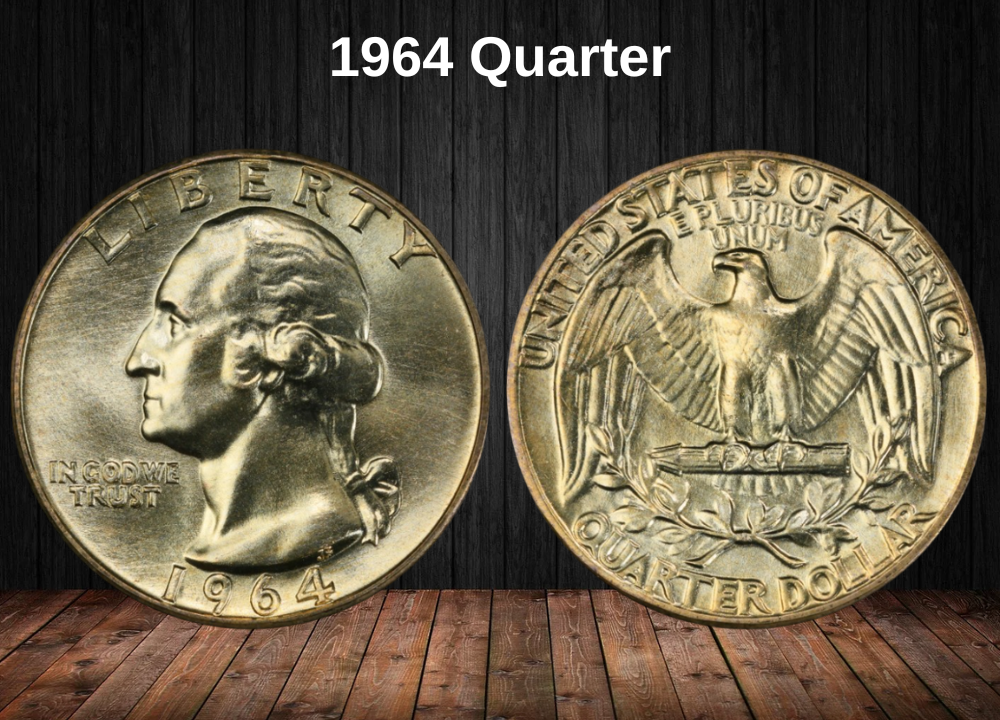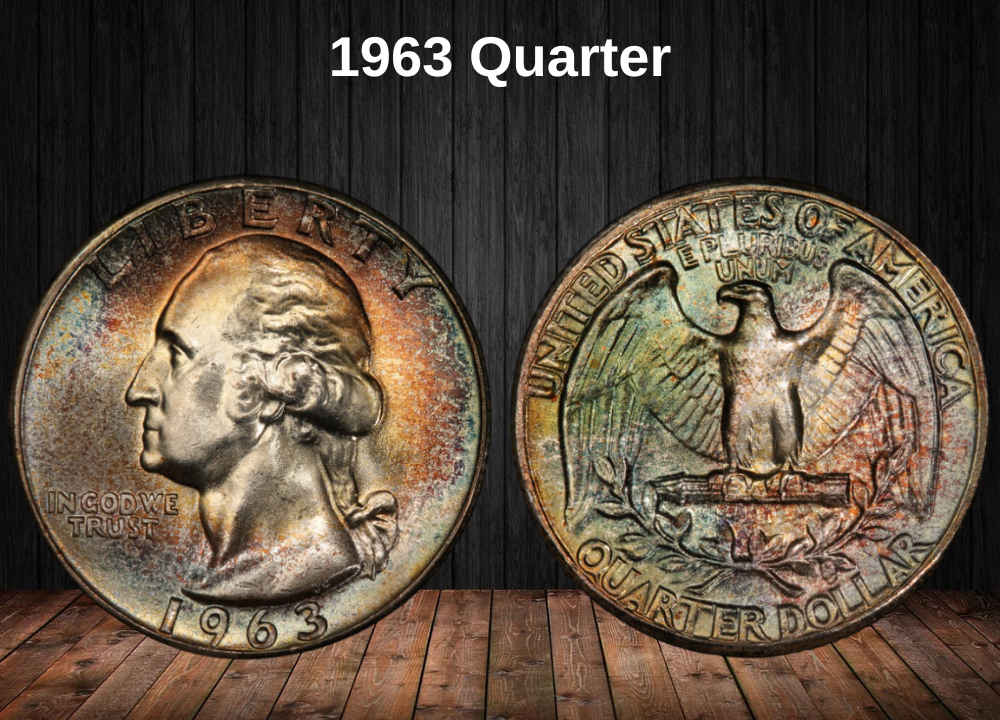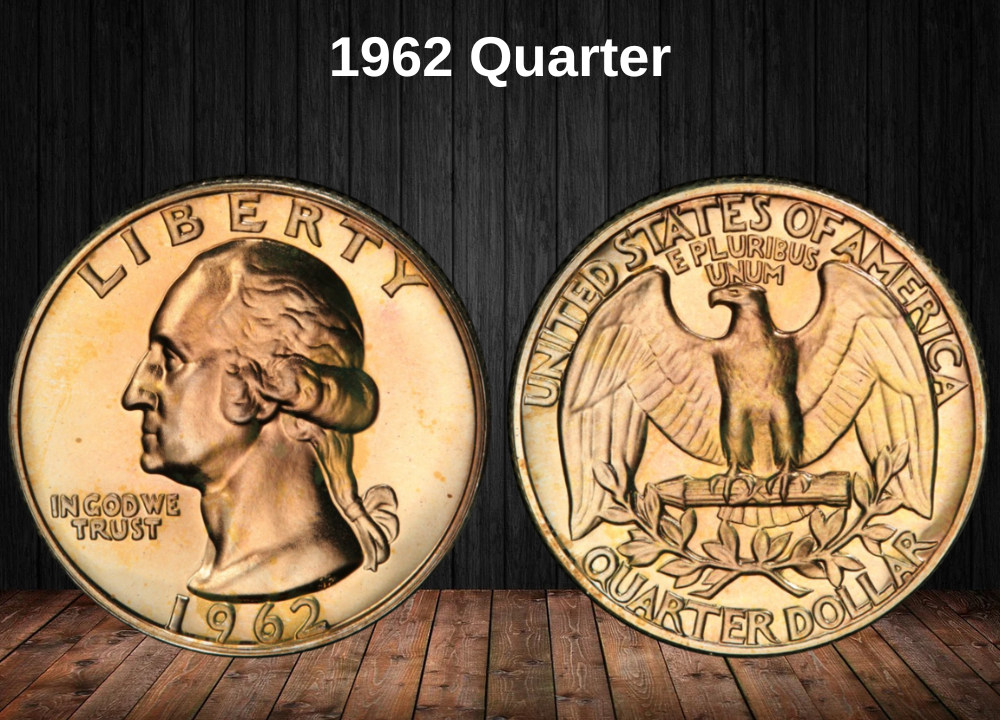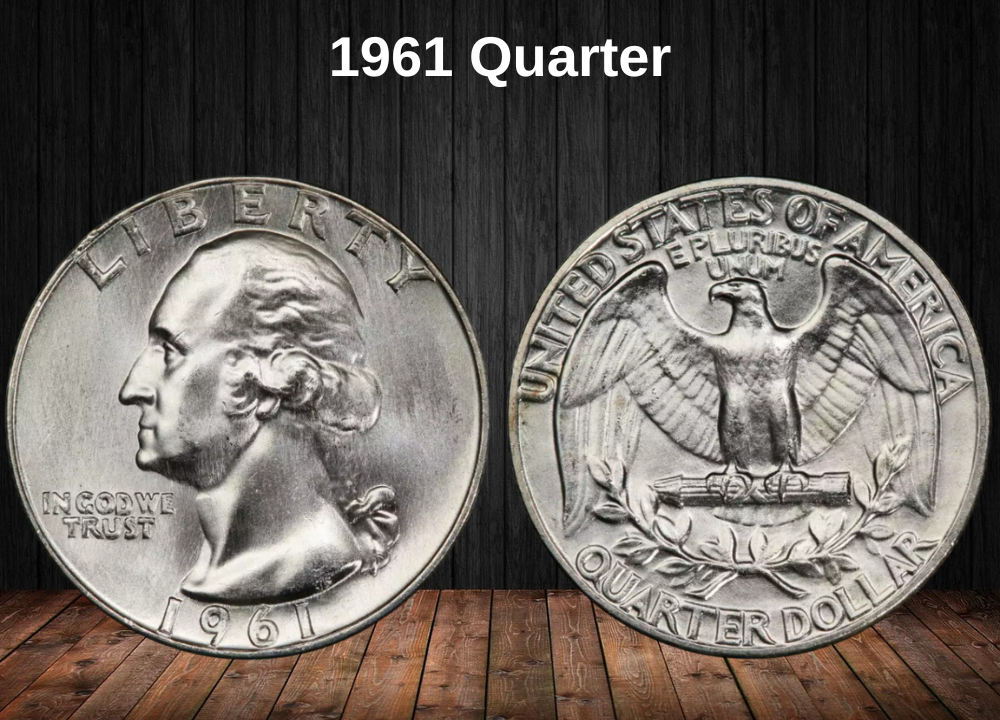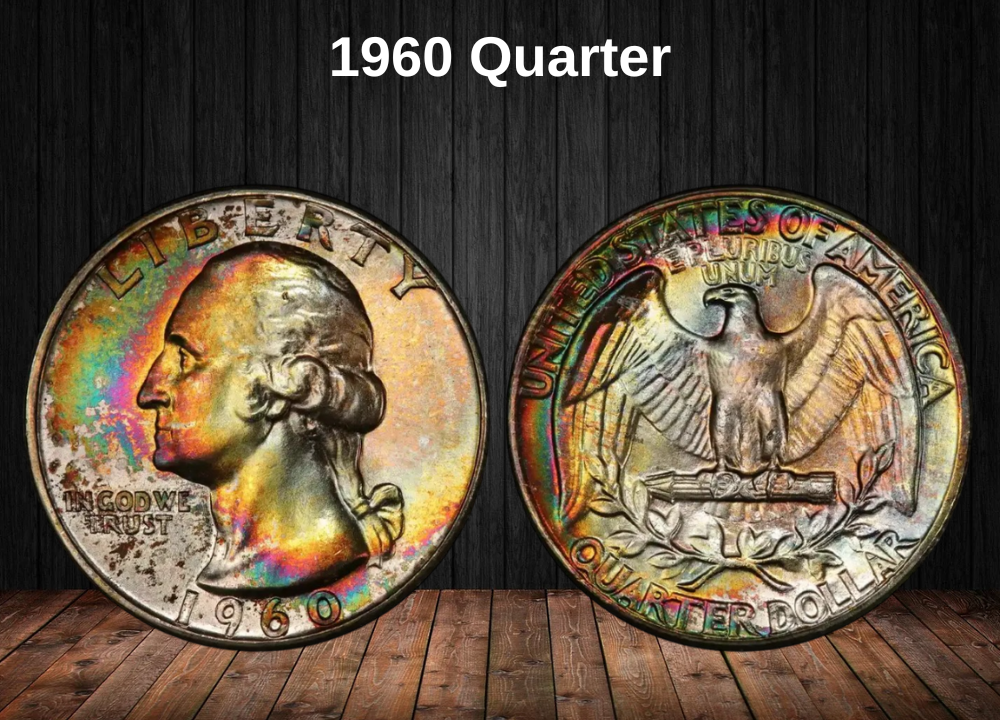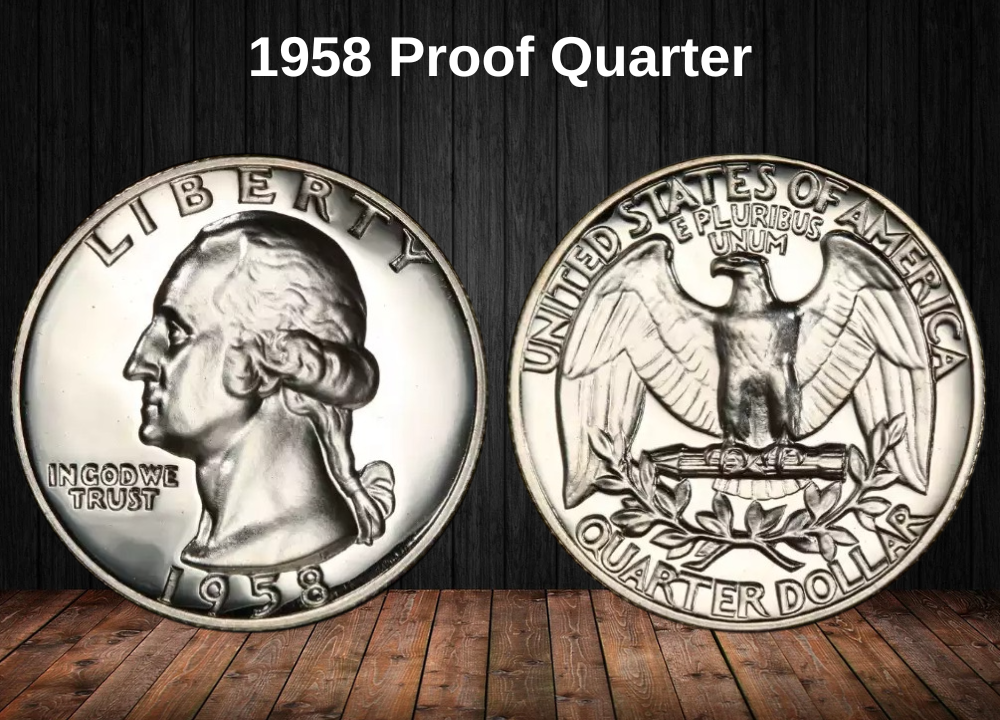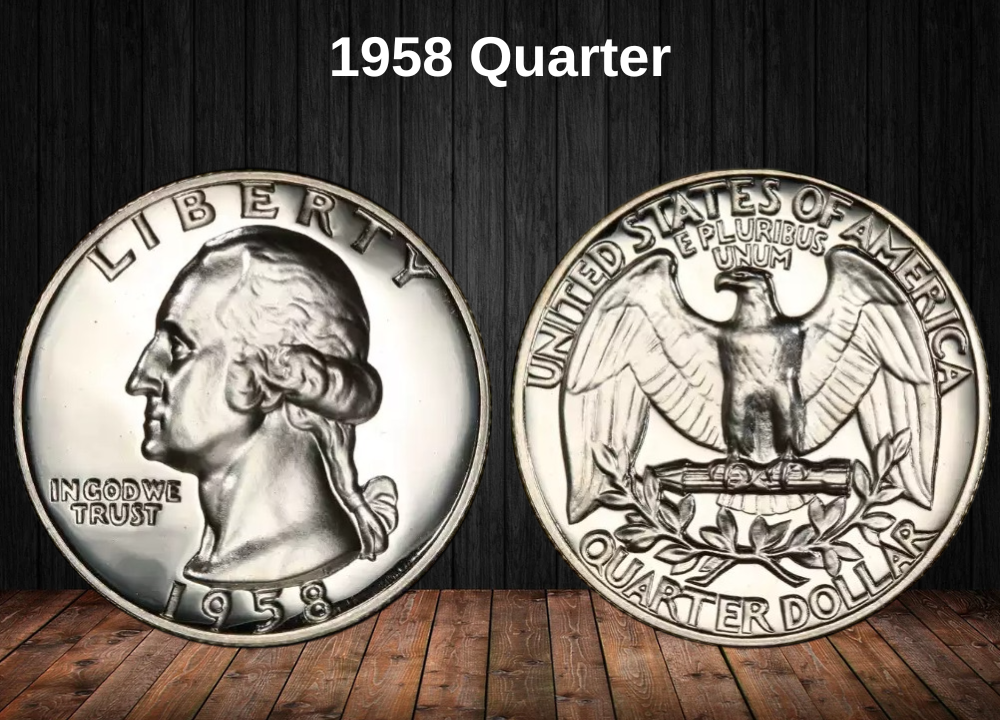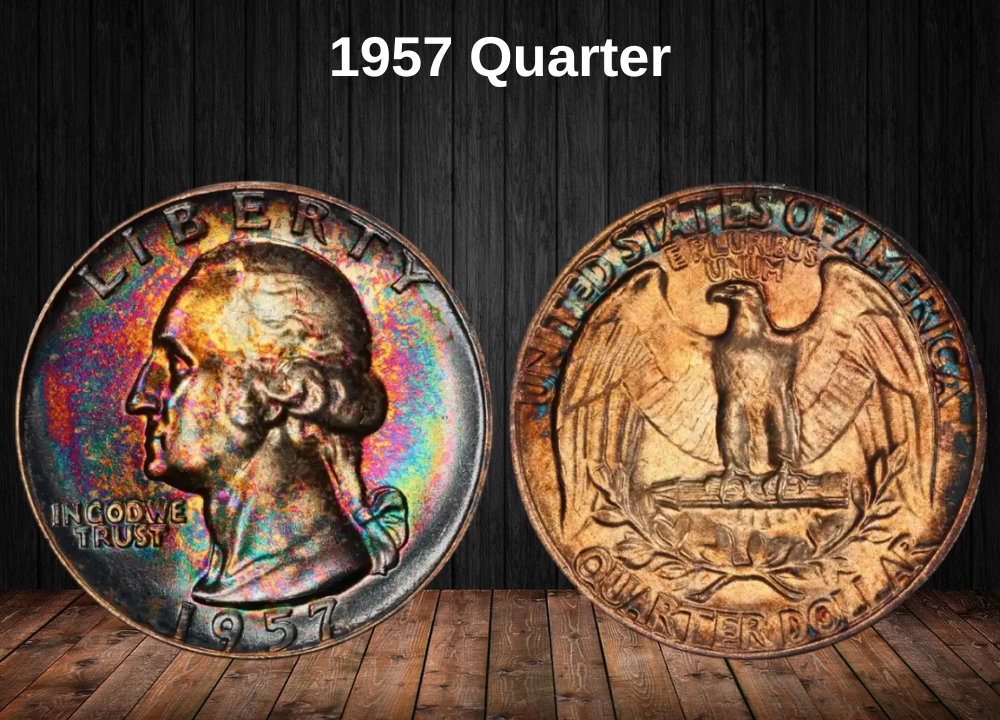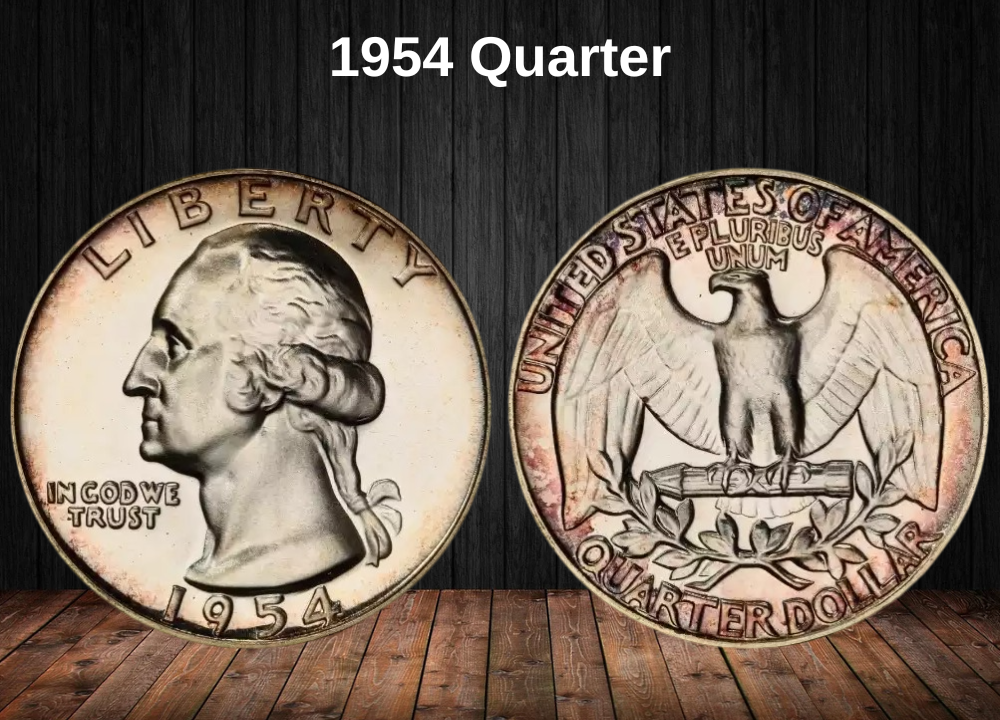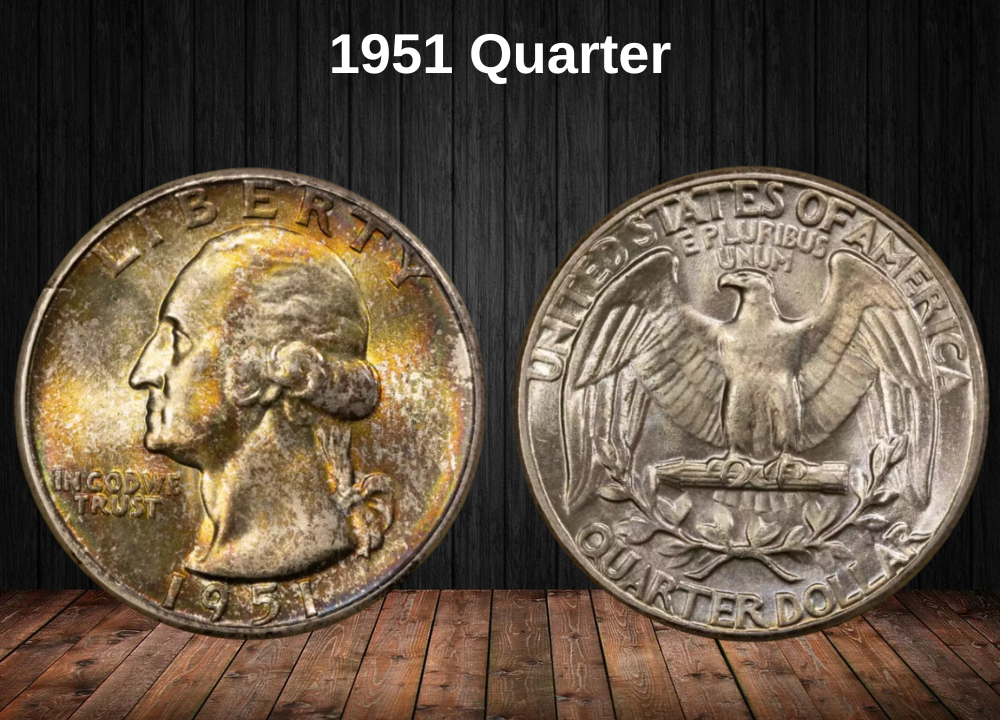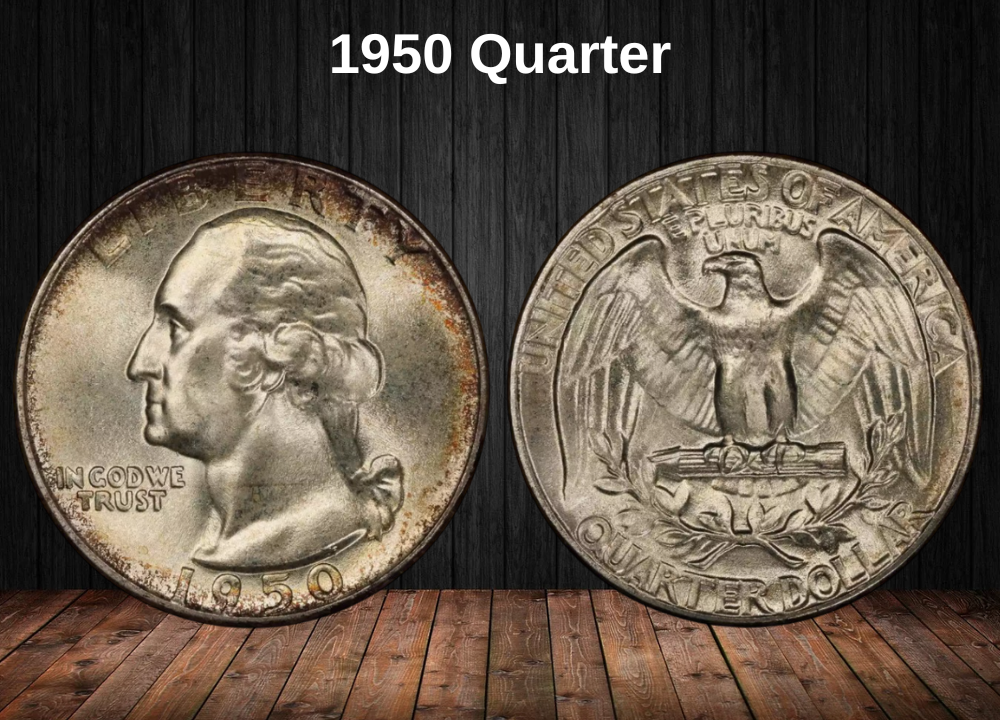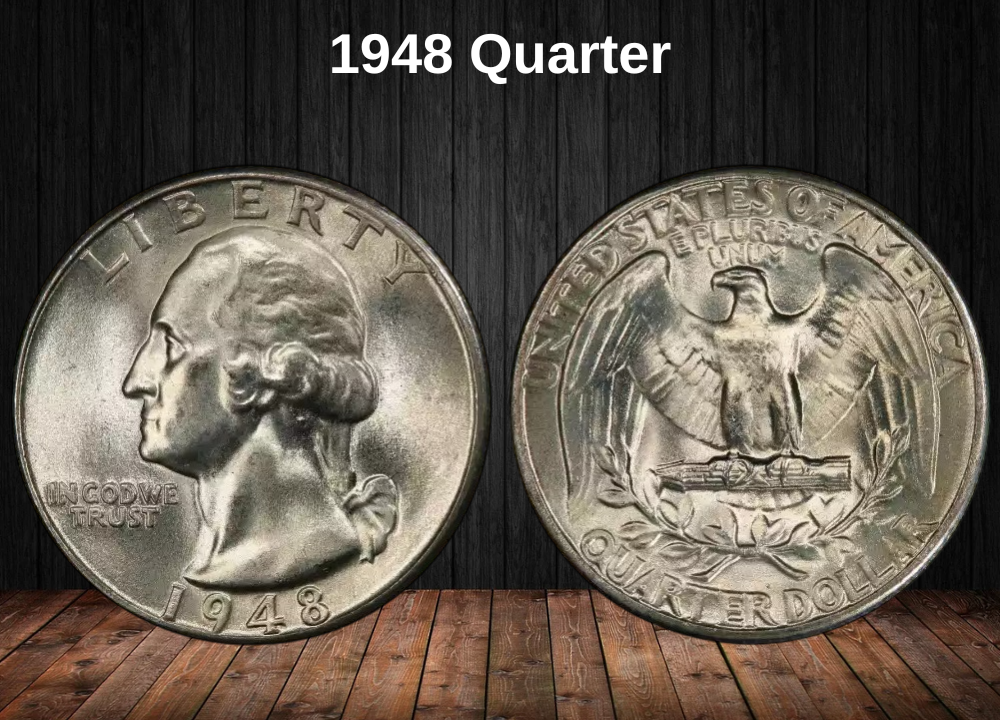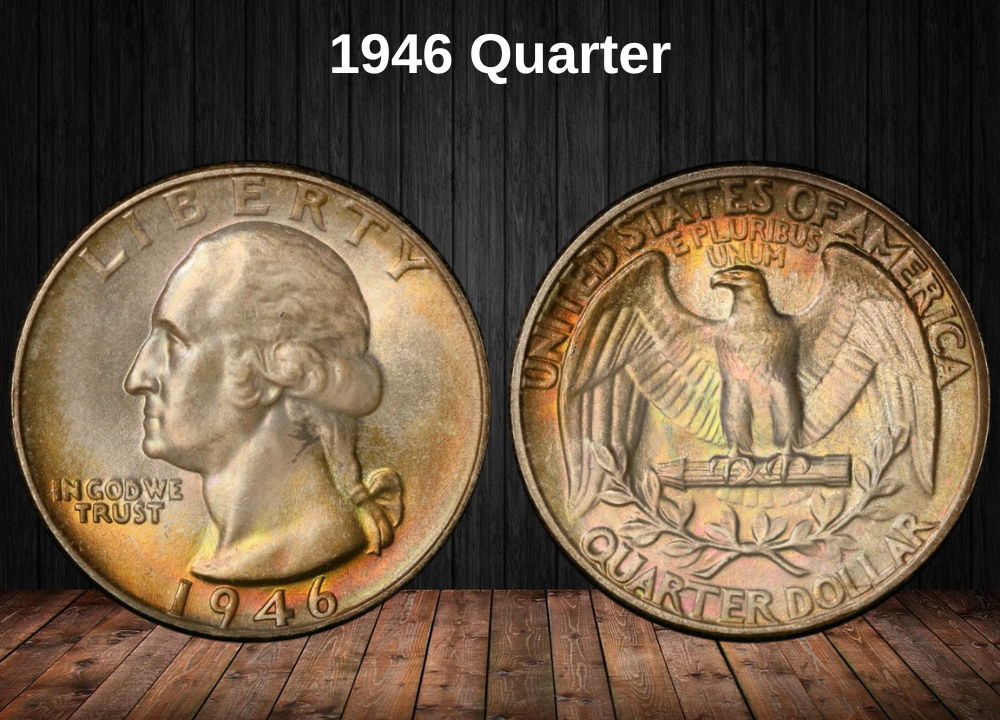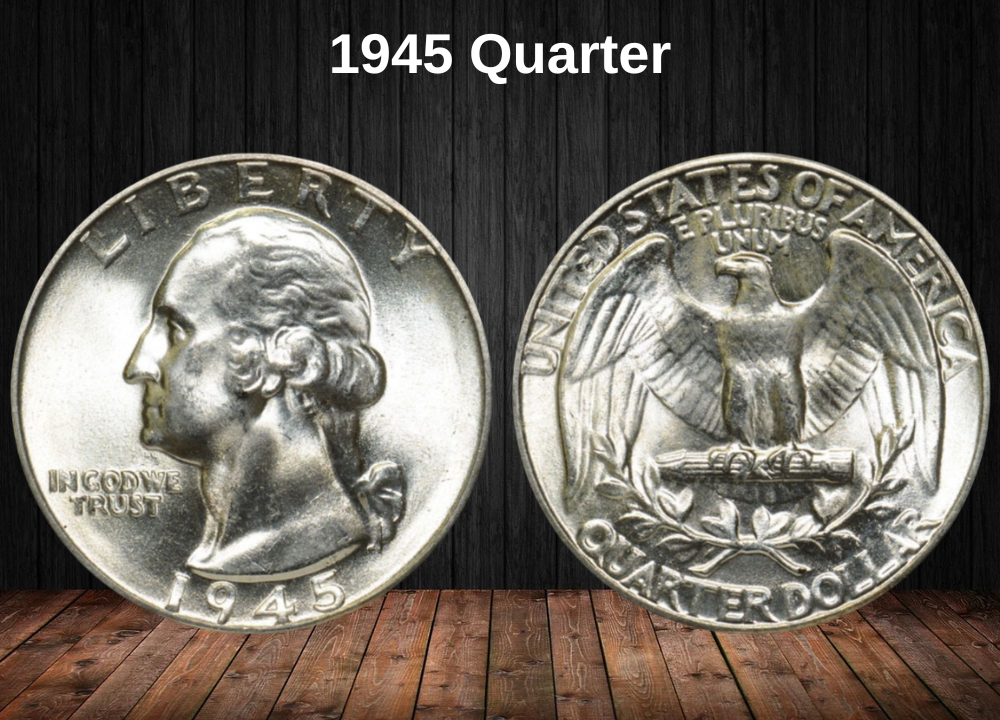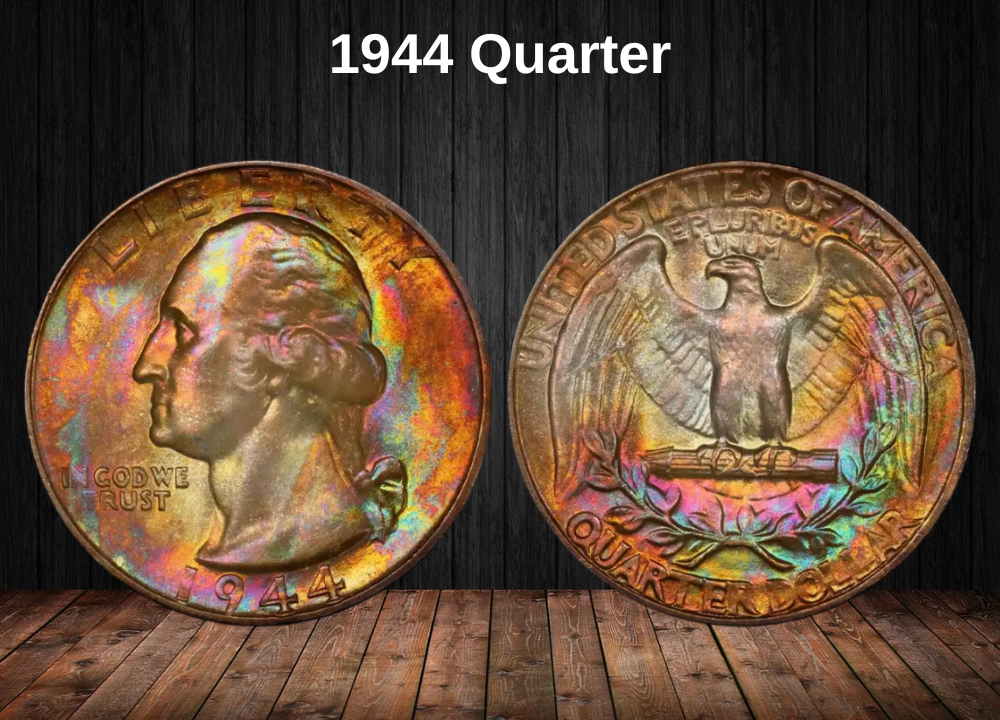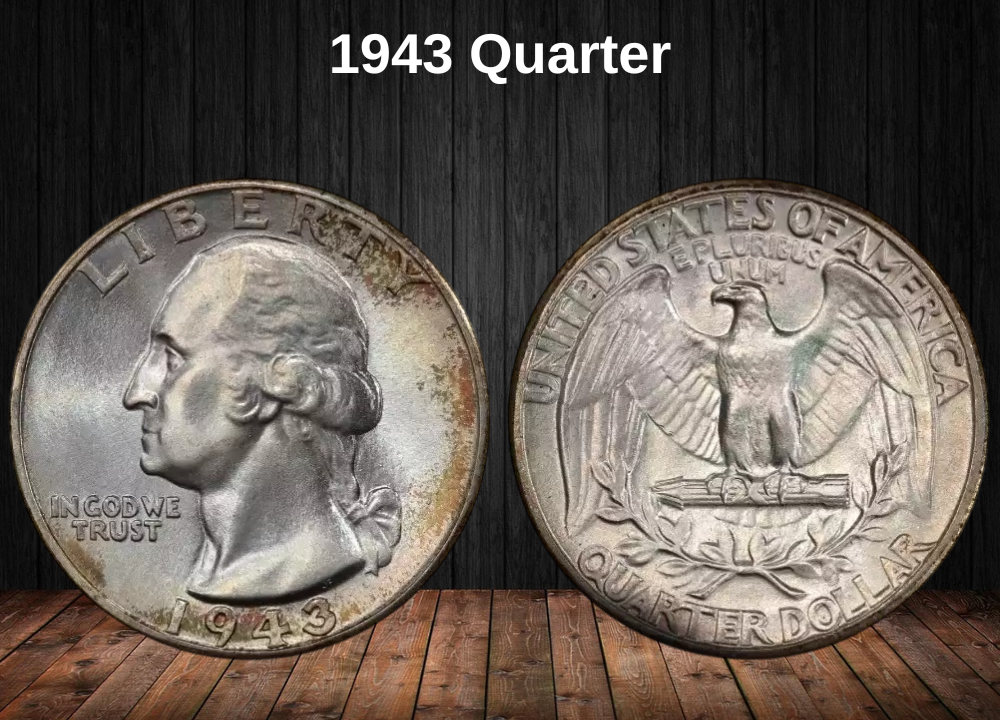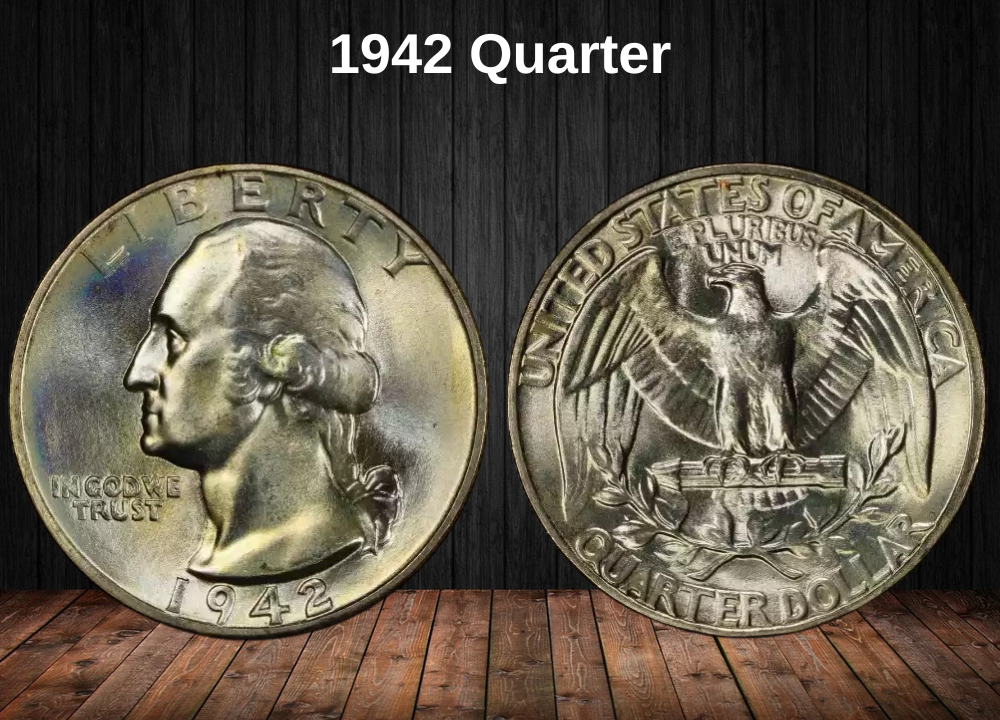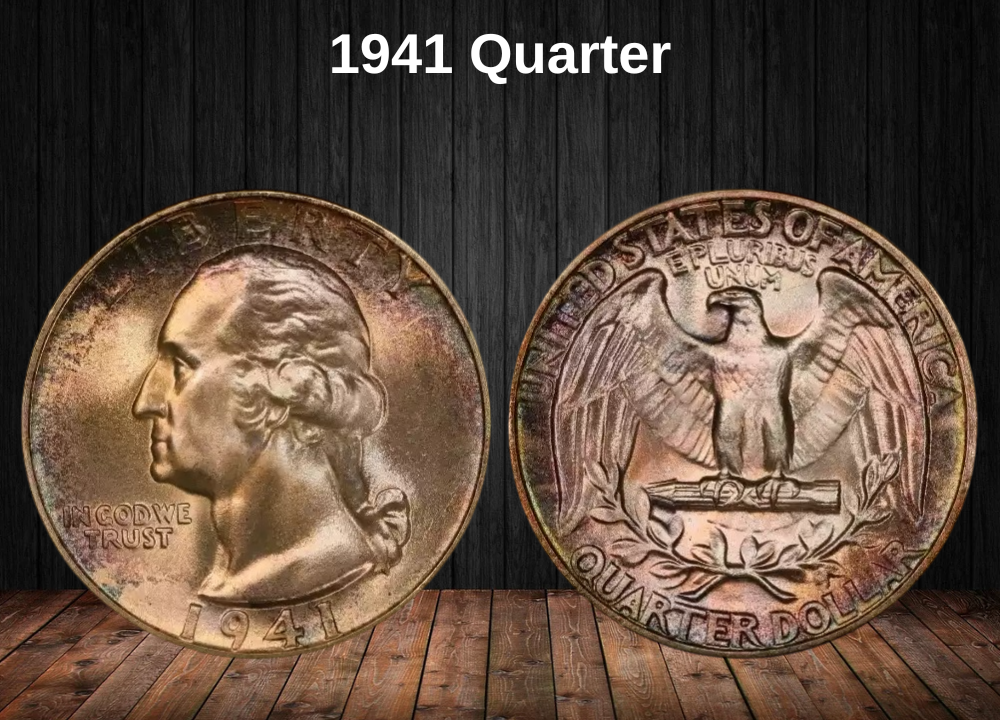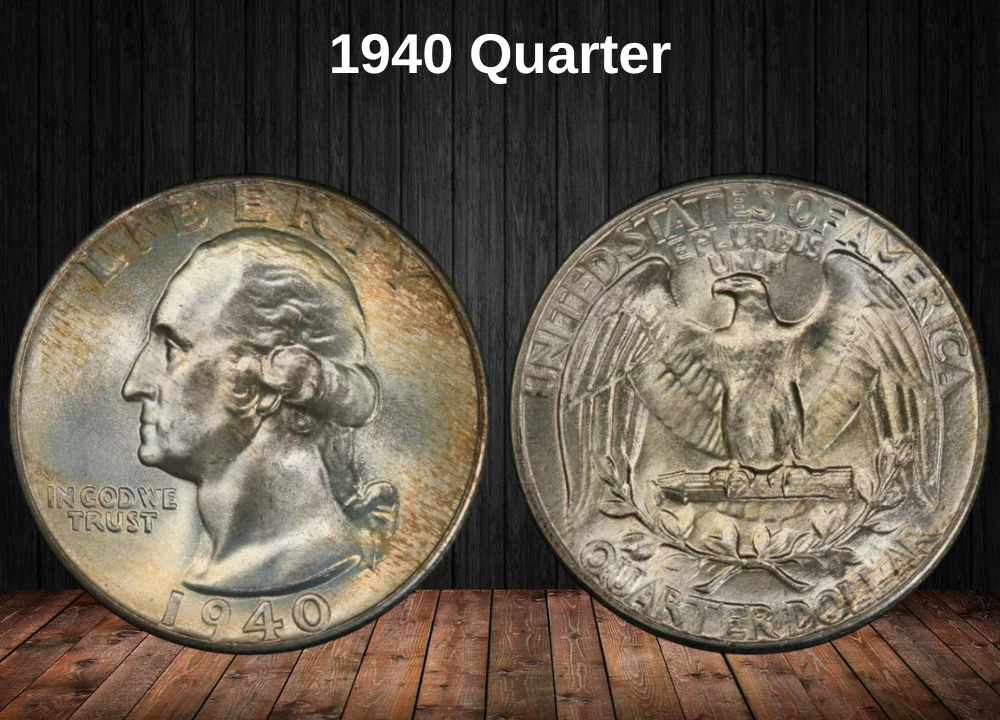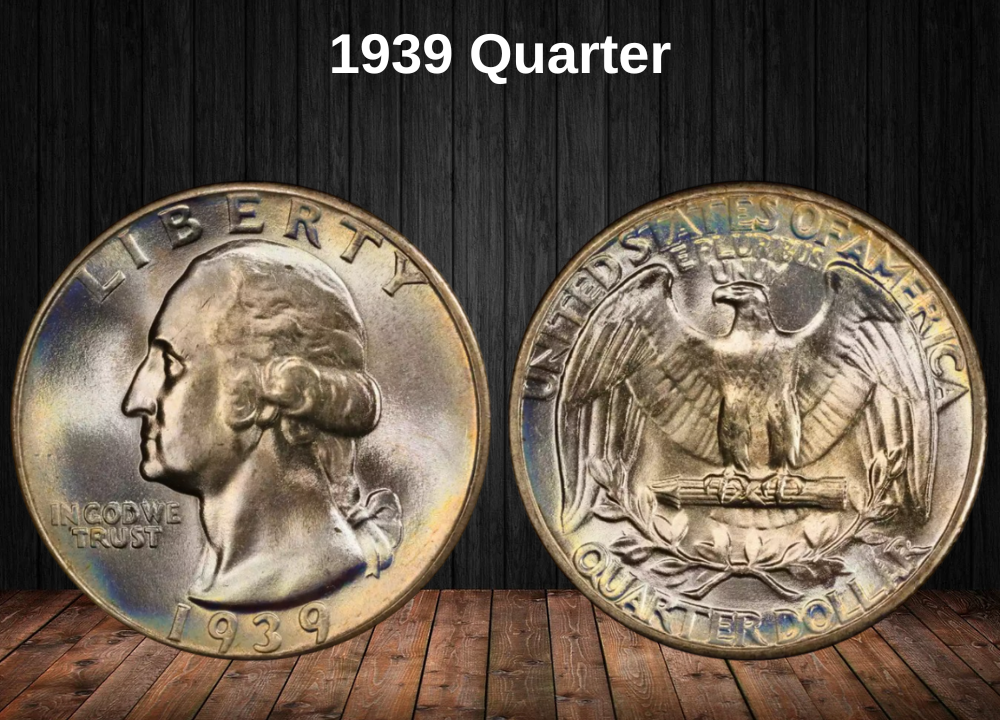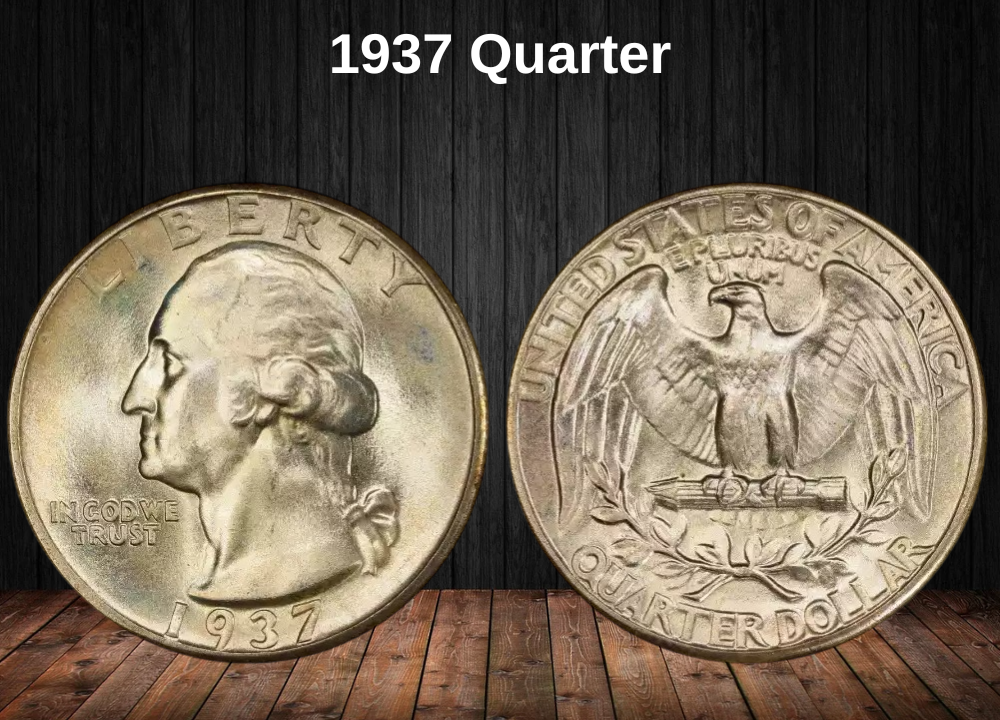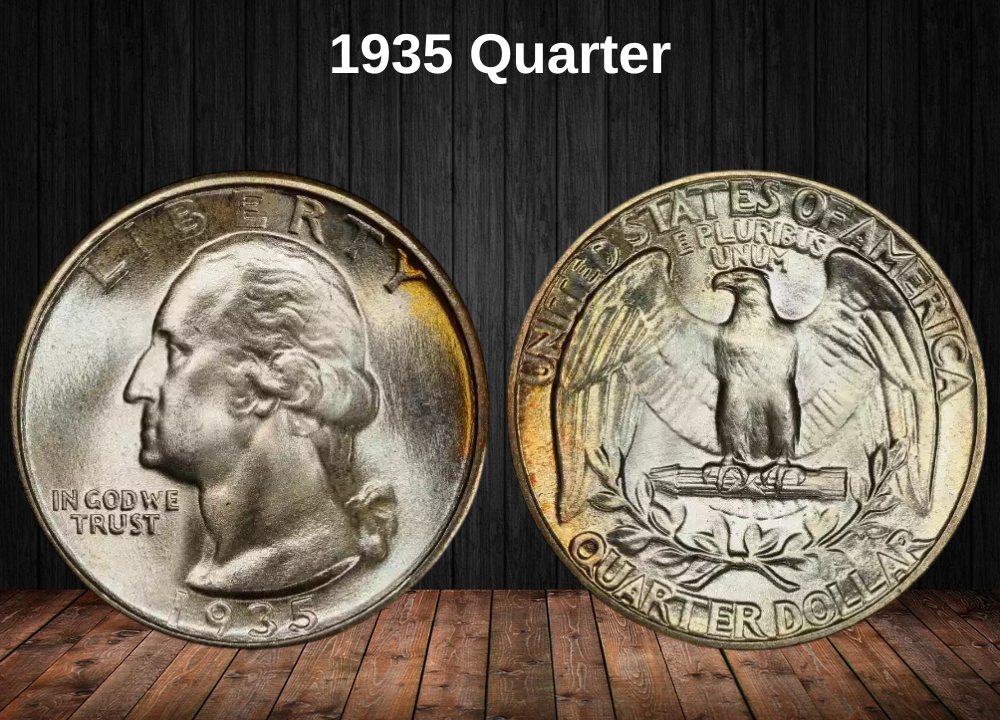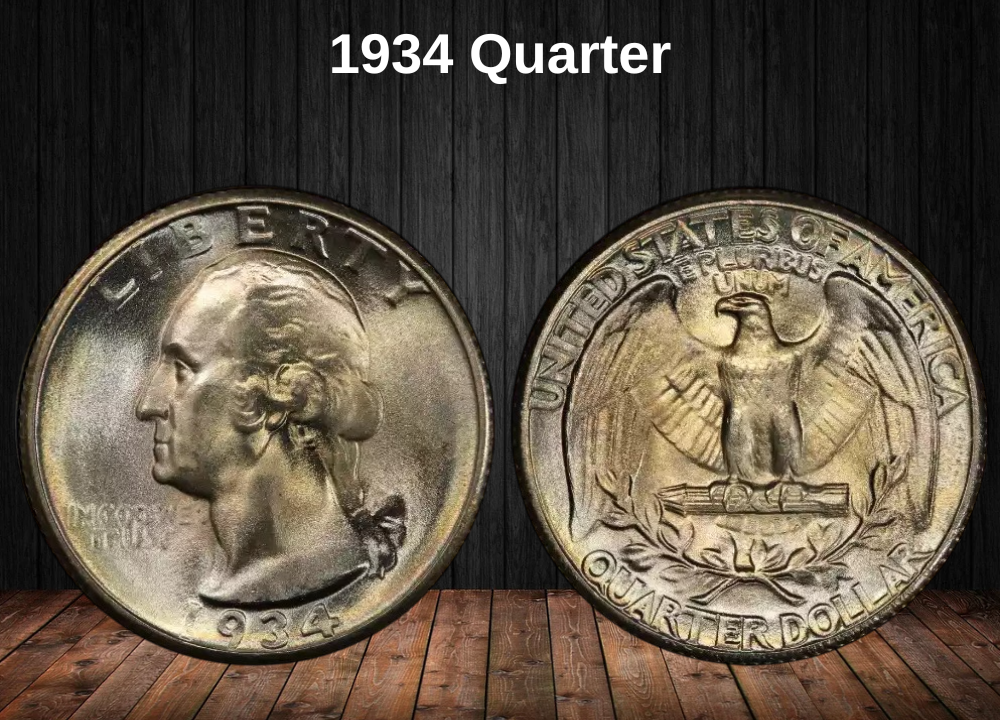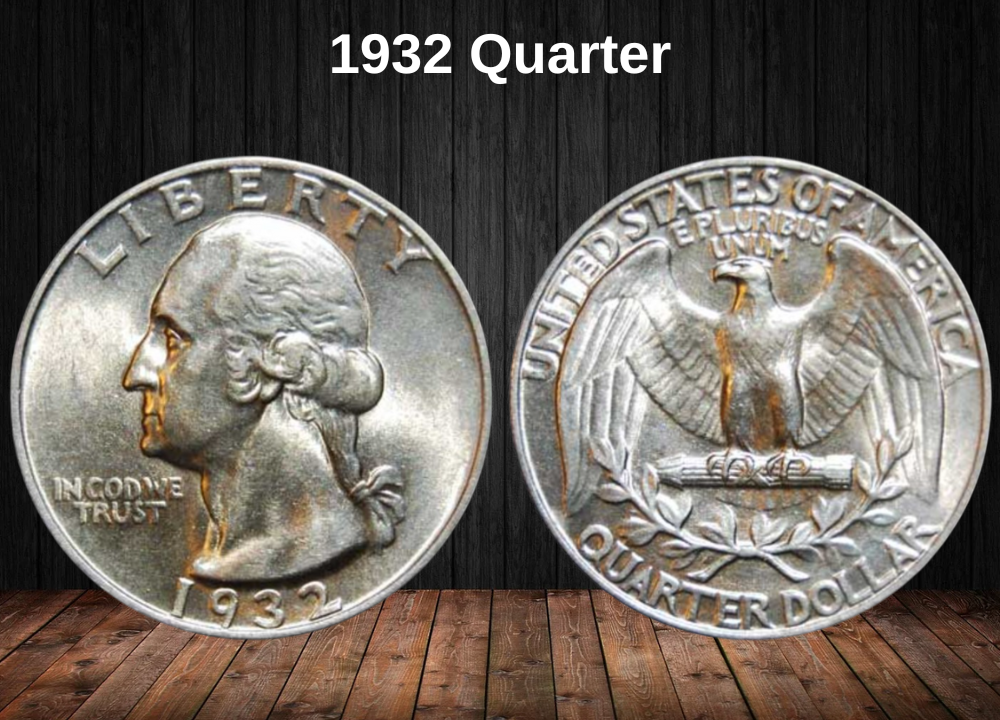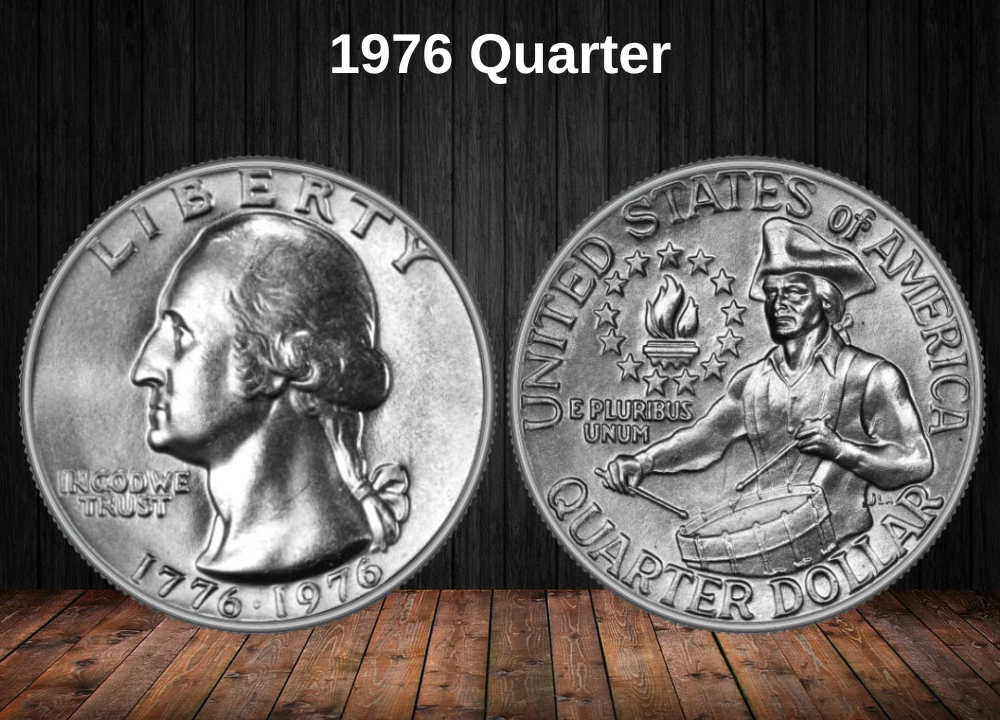
If you’ve come across a 1956 quarter, you may be holding more than just pocket change. While millions were minted, their value today depends heavily on mint mark, condition, and whether the coin is a proof, cameo, or features rare minting errors.
For circulated examples, most pieces fall in the $6–$7 range thanks to their 90% silver content, giving them a strong bullion floor. But uncirculated and proof issues—especially Cameo (CAM) and Deep Cameo (DCAM)—command far higher premiums, with prices reaching $566 for top-quality specimens.
The following chart breaks down the current market values of 1956 Washington quarters by variety and grade.
1956 Quarter Value Chart
| Type | Good | Fine | AU | MS | PR |
|---|---|---|---|---|---|
| 1956 No Mint Mark Quarter Value | $6.00 | $6.17 | $7.00 | $29.00 | — |
| 1956-D Quarter Value | $6.00 | $6.17 | $7.00 | $19.00 | — |
| 1956 Proof Quarter Value | — | — | $4.00 | — | $21.38 |
| 1956 CAM Quarter Value | — | — | — | — | $31.62 |
| 1956 DCAM Quarter Value | — | — | — | — | $70.25 |
History of the 1956 Quarter
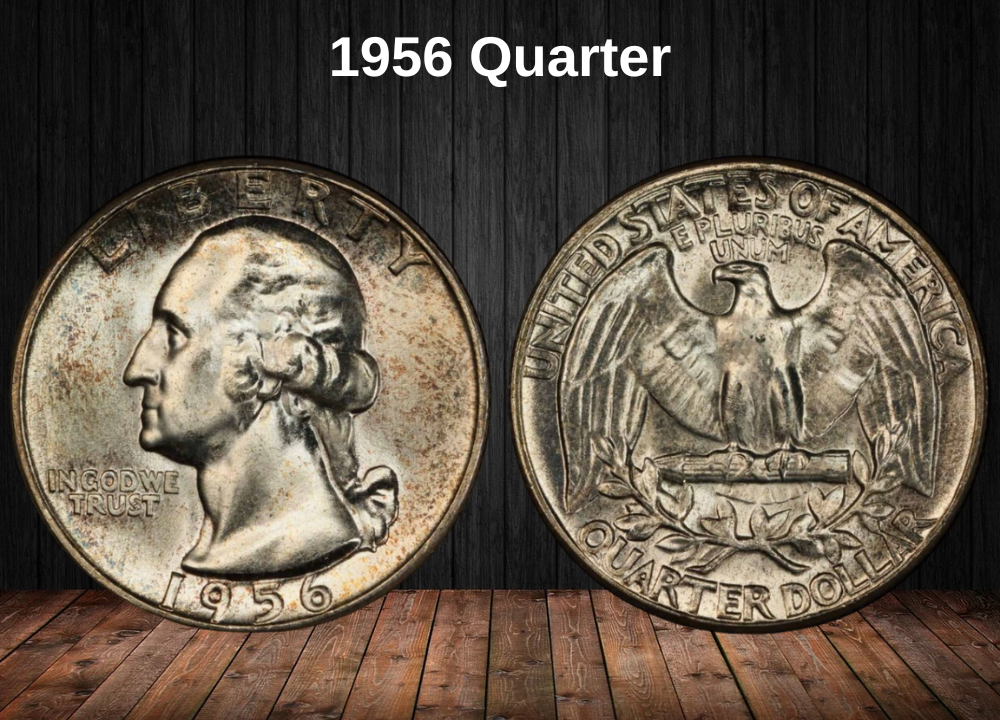
The 1956 Washington quarter sits at an important crossroads in U.S. coinage history, representing the final decade of America’s silver quarter era before the transition to copper-nickel clad coins in 1965.
Originally introduced in 1932 to commemorate George Washington’s 200th birthday, John Flanagan’s design proved so popular that Congress replaced the Standing Liberty quarter with it permanently. By the mid-1950s, the Washington quarter had already become a familiar piece of American pocket change.
In 1956, quarters were minted at two facilities:
- Philadelphia (no mint mark) – over 44 million struck
- Denver (D mint mark) – over 32 million struck
With more than 76 million business strikes combined, these weren’t rare coins at the time. However, widespread circulation meant that few high-grade survivors exist today, and gem-quality specimens are now prized by collectors.
What makes 1956 especially notable is its timing in the silver era. These coins were struck in 90% silver, but with silver prices still relatively low, Americans weren’t hoarding them—most went directly into everyday commerce, where they suffered heavy wear.
The real treasures of 1956 come from the Proof sets, with just 669,000 produced in Philadelphia. Among these, only a fraction display the dramatic Cameo (CAM) or Deep Cameo (DCAM) contrast that collectors chase today. Locating such high-grade examples is rare and highly rewarding, making them the crown jewels of the 1956 Washington quarter series.
Key Features of the 1956 Quarter
By 1956, John Flanagan’s Washington quarter design had already been in circulation for nearly 25 years. Originally intended as a one-year commemorative in 1932, it had become the permanent face of America’s 25-cent coin. The 1956 issue captures the last decade of 90% silver quarters, making it both a workhorse of commerce and a collectible piece of U.S. history.
The Obverse of the 1956 Quarter
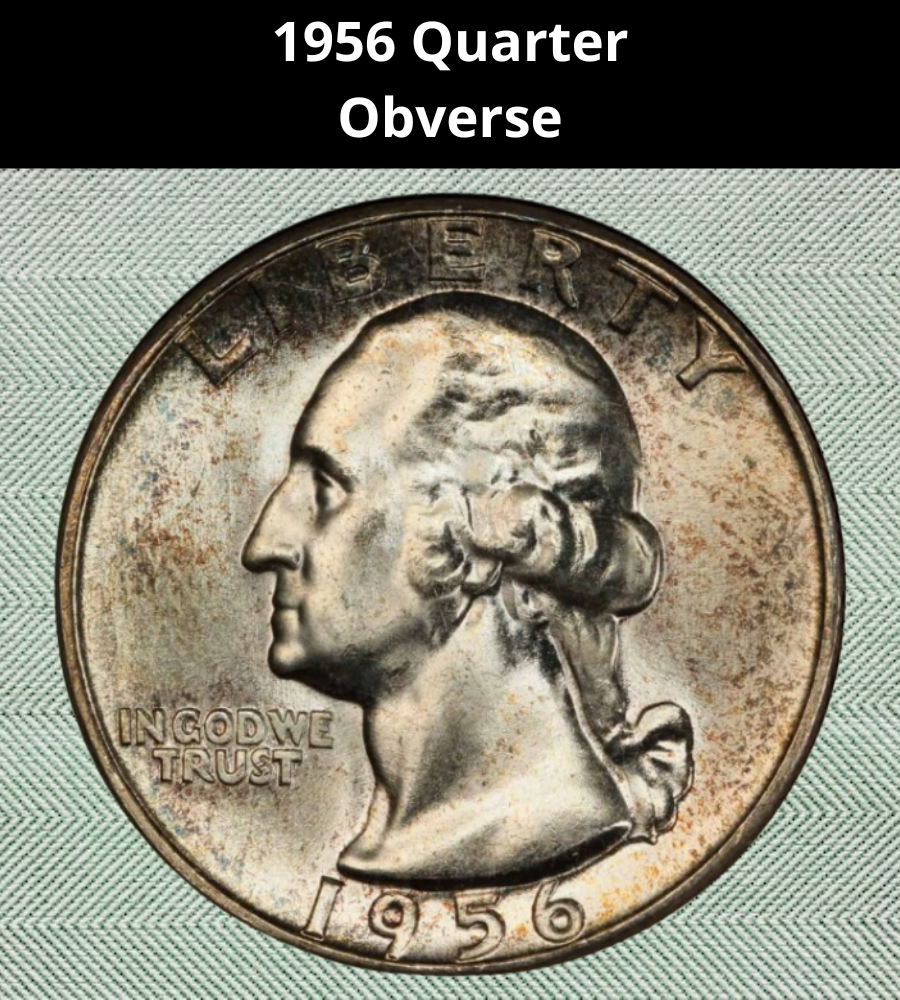
- Portrait: Left-facing bust of George Washington, rendered with dignified expression and period hairstyle.
- Inscriptions:
- LIBERTY arcs boldly along the top rim.
- IN GOD WE TRUST appears to the left of Washington’s neck.
- 1956 is engraved below the neckline.
- Designer’s Initials: John Flanagan’s discreet “JF” at the base of the neck cut-off.
The Reverse of the 1956 Quarter
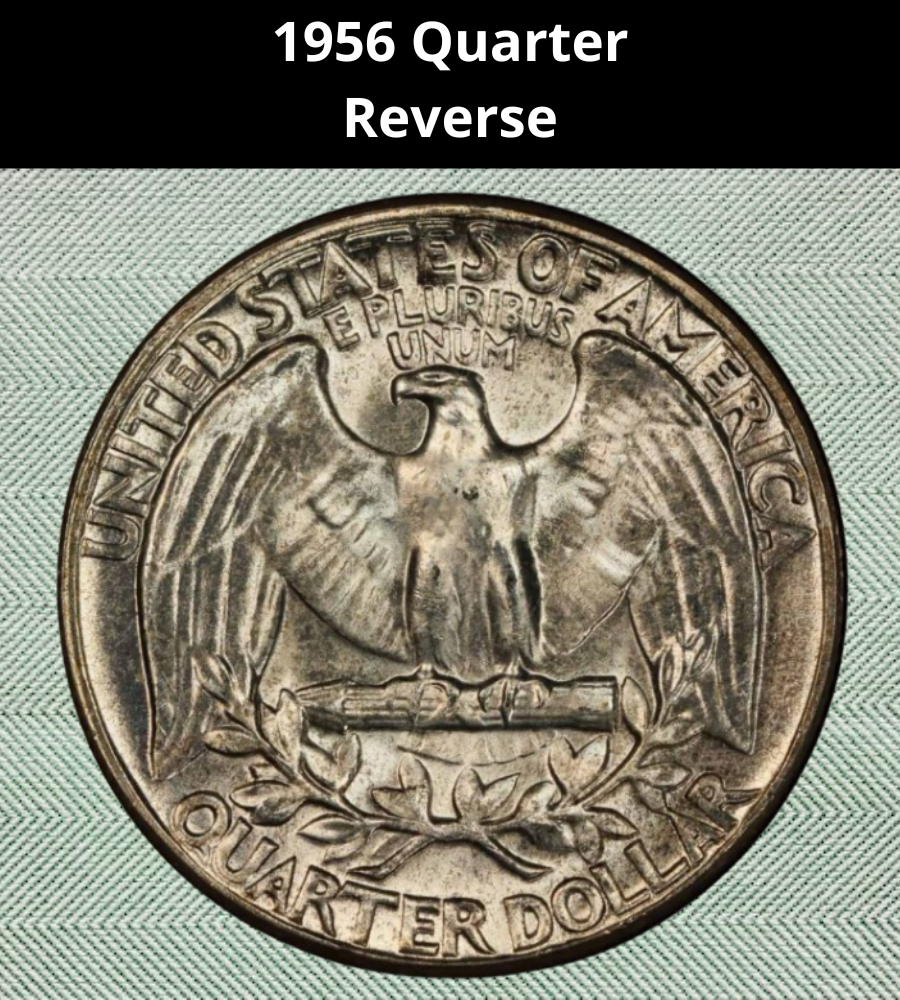
- Design: A heraldic eagle with wings fully spread, perched on a bundle of thirteen arrows.
- Symbolism:
- Arrows = military readiness.
- Olive branches beneath = peace.
- Inscriptions:
- UNITED STATES OF AMERICA across the upper rim.
- E PLURIBUS UNUM above the eagle’s head.
- QUARTER DOLLAR at the bottom rim.
- Mint Mark: A small “D” appears on Denver issues, located between the olive branches and denomination.
Other Features of the 1956 Quarter
- Composition: 90% silver, 10% copper.
- Weight: 6.25 g (0.20094 troy oz).
- Silver Content: 5.623 g pure silver (0.1808 troy oz).
- Diameter: 24.3 mm (0.9567 in).
- Thickness: 1.75 mm (0.0687 in).
- Edge: Reeded, with 119 reeds.
These technical details, combined with the Cold War era symbolism of strength and peace, give the 1956 quarter an enduring historical resonance—making it one of the final classic silver Washington quarters before the 1965 transition to copper-nickel clad coinage.
1956 Quarter Grading
Grading a 1956 Washington quarter correctly can mean the difference between a $6 silver coin and a $566 Mint State gem. The most important diagnostic points are Washington’s hair detail, the cheekbone smoothness, and the eagle’s breast feathers on the reverse.
1956 Quarter Grading Guide
| Grade | Obverse Details | Reverse Details | Value Insight |
|---|---|---|---|
| Good (G-4) | Washington’s hair is almost flat with heavy wear; motto and date still visible. | Eagle’s feathers merged, outline remains. | Worth melt value (~$6). |
| Fine (F-12) | Some separation in hair strands, but major wear across cheek and jawline. | Wing outlines visible, breast feathers mostly flat. | Slight premium above silver value. |
| About Uncirculated (AU-50) | Nearly full hair details with light wear only on cheekbone. | Breast feathers lightly worn, wings retain definition. | Collectible tier, rising demand. |
| Mint State (MS-60) | No wear; luster present but bag marks/contact marks visible. | Eagle well-defined but may show contact marks. | Entry-level uncirculated, strong premium. |
| Mint State (MS-65 and higher) | Full hair detail, sharp cheekbone, strong luster, minimal marks. | Distinct feather separation with clean fields. | Top-grade coins can reach $566+ at auction. |
1956 Quarter Value Guides
1956 No Mint Mark Quarter Value
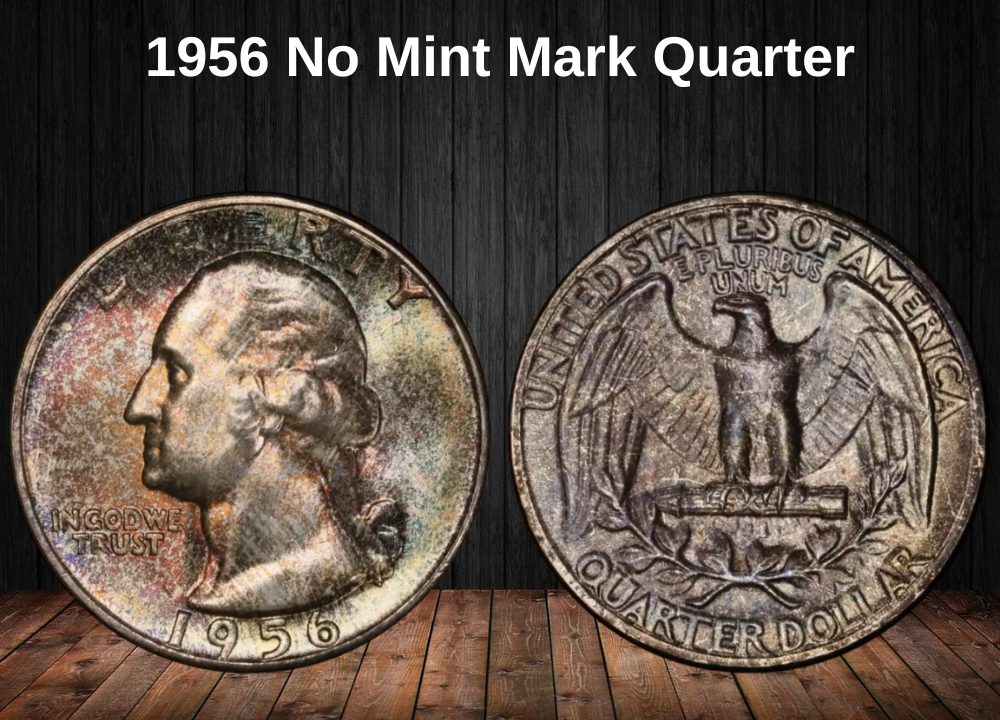
The 1956 Philadelphia quarter may look like just another common silver coin, but collectors know better. With over 44 million struck, it had the highest mintage of the year—yet it remains surprisingly collectible.
What makes the 1956-P stand out isn’t scarcity, but rather condition sensitivity. These coins were prone to bag marks and contact wear during distribution, making true high-grade Mint State examples elusive. As a result, while circulated examples trade near silver melt value, gem MS66–MS68 pieces can command thousands at auction.
For many collectors, the 1956 Philadelphia quarter serves as an entry point into Washington silver quarter collecting, balancing affordability in lower grades with strong premiums in top condition.
1956 No Mint Mark Quarter Price/Grade Chart
| Grade | Recent Auction Record | Price Realized |
|---|---|---|
| MS65 | Oct 2022 (HA) | $67 |
| MS66 | Jan 2024 (HA) | $67 |
| MS66 | Nov 2022 (SB) | $40 |
| MS66 | Nov 2022 (DL) | $45 |
| MS67 | Jan 2025 (SB) | $85 |
| MS67 | Jan 2023 (HA) | $84 |
| MS67 | Jan 2023 (HA) | $77 |
| MS68 | Aug 2024 (SB) | $2,040 |
| MS68 | Nov 2023 (HA) | $5,280 |
1956-D Quarter Value
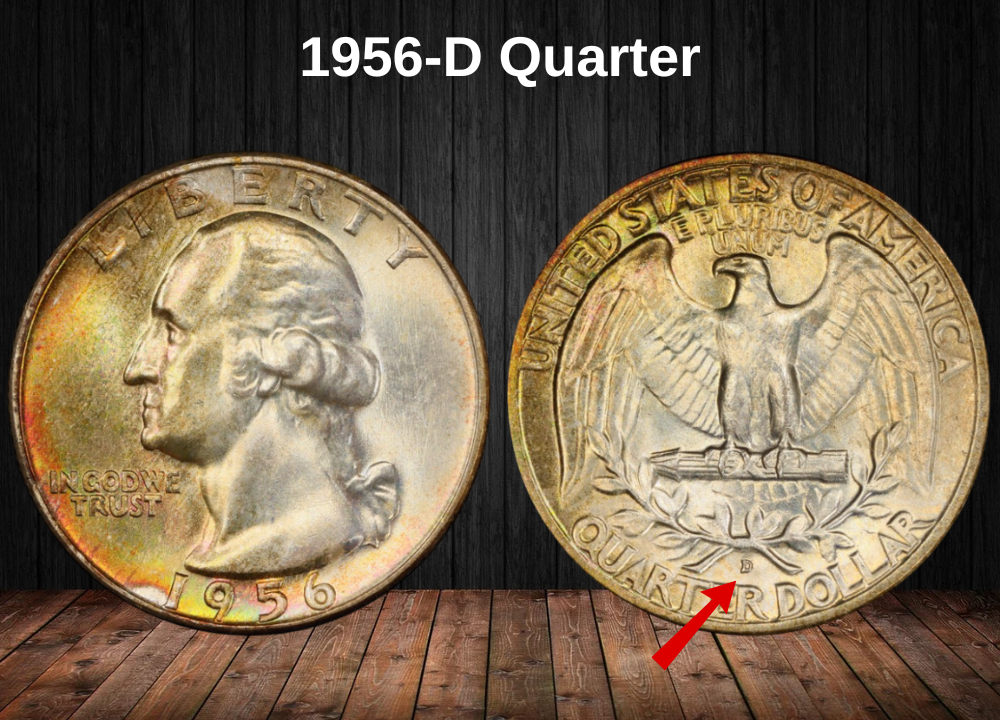
The 1956-D Washington quarter has emerged as the sleeper hit of the 1956 series. Despite a healthy mintage of 32.3 million coins, it is actually rarer than the Philadelphia issue when it comes to high-grade survivors. Ranking #43 in overall Washington quarter rarity with a rarity score of 35, the 1956-D has earned increasing attention from advanced collectors.
What sets this Denver issue apart is not just its lower mintage, but its scarcity in Mint State grades. Fewer pristine examples survived compared to Philadelphia’s output, and those that remain often show slightly weaker strikes on the eagle’s breast feathers—a diagnostic challenge for those chasing fully detailed coins.
This combination of relative scarcity and strike weakness makes gem-quality 1956-D quarters particularly desirable, with auction prices reflecting their growing recognition in the numismatic market.
1956-D Quarter Price/Grade Chart
| Grade | Recent Auction Record | Price Realized |
|---|---|---|
| MS66 | Jul 2022 (DL) | $42 |
| MS66 | Oct 2023 (HA) | $164 |
| MS66 | Apr 2023 (HA) | $97 |
| MS66 | Jun 2024 (SB) | $45 |
| MS67 | May 2022 (HA) | $372 |
| MS67 | Jun 2022 (SB) | $408 |
| MS67 | Aug 2022 (HA) | $360 |
| MS67 | Mar 2023 (HA) | $312 |
| MS67 | Nov 2023 (SB) | $3,600 |
| MS67 | Jul 2022 (HA) | $4,080 |
1956 Proof Quarter Value
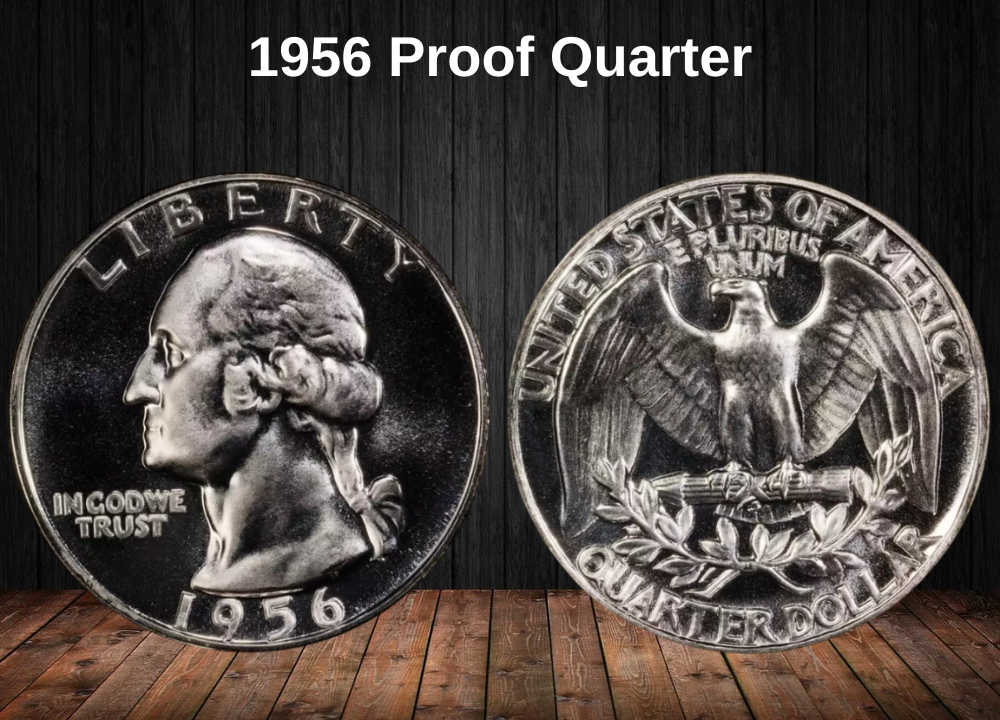
The 1956 Proof Washington quarter occupies a special place in mid-century numismatics. With 669,384 proof sets produced, this year marked a major increase in output compared to earlier 1950s issues, making 1956 one of the more accessible proof dates.
What makes this coin stand out is its role as the “training wheels” proof for many collectors. It offers everything a proof coin should—deep mirrors, sharp strikes, and strong preservation—but without the intimidating price tags of scarcer earlier dates.
While common enough to be affordable, the 1956 Proof still holds its own in the Washington quarter series, ranking #146 in overall rarity. High-grade specimens, especially those approaching PR69, can bring surprisingly strong premiums, showing that condition still drives value even for accessible proof dates.
1956 Proof Quarter Price/Grade Chart
| Grade | Recent Auction Record | Price Realized |
|---|---|---|
| PR67 | Apr 2023 (DL) | $33 |
| PR67 | May 2021 (DL) | $44 |
| PR67 | Jun 2022 (DL) | $105 |
| PR68 | Dec 2021 (DL) | $55 |
| PR68 | May 2021 (HA) | $55 |
| PR69 | Aug 2023 (HA) | $75 |
| PR69 | May 2023 (HA) | $70 |
| PR69 | Dec 2022 (HA) | $124 |
| PR69 | Dec 2022 (HA) | $149 |
| PR69 | Sep 2020 (HA) | $121 |
1956 CAM Quarter Value
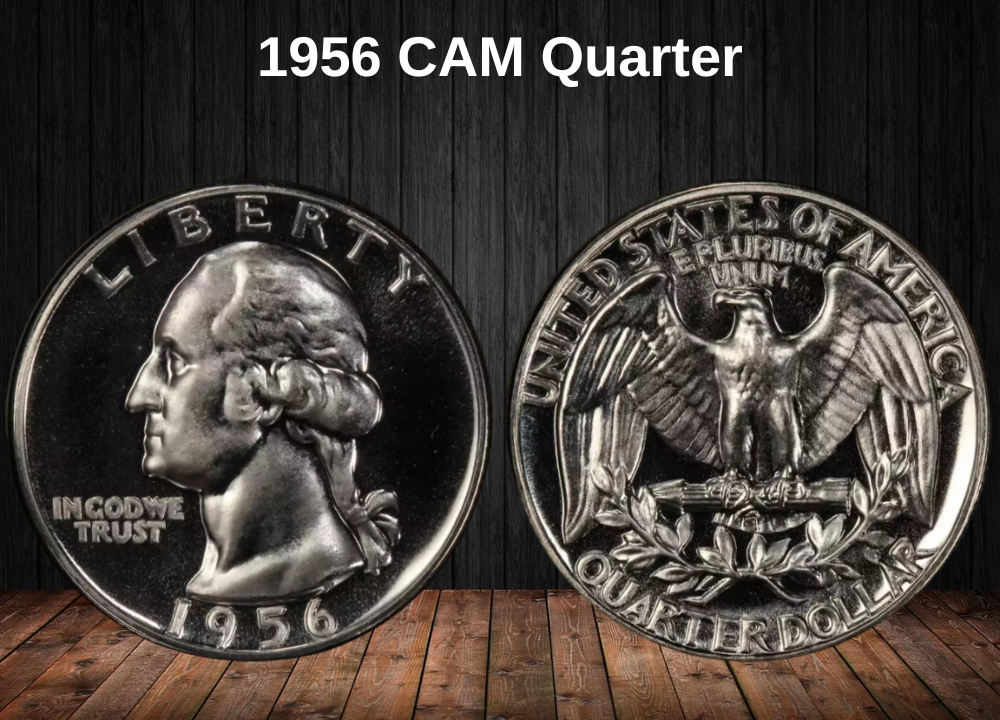
The 1956 Cameo (CAM) Proof Quarter marks the point where proof collecting transitions from accessible to serious numismatics. While it shares the same 669,384 mintage as regular proofs, only about 17% of survivors display the distinctive cameo contrast: frosted devices standing out boldly against deeply mirrored fields.
The appeal of the 1956 CAM lies in its visual drama. Washington’s portrait and the heraldic eagle take on a stunning three-dimensional effect, something that standard proofs cannot replicate. However, because cameo-quality striking was still inconsistent in the mid-1950s, many examples show weak or partial frosting. This makes true full cameo specimens exceptionally desirable, commanding significant premiums over regular proofs.
1956 CAM Quarter Price/Grade Chart
| Grade | Recent Auction Record | Price Realized |
|---|---|---|
| PR68 CAM | Jun 2022 (HA) | $60 |
| PR68 CAM | Nov 2022 (HA) | $104 |
| PR68 CAM | Nov 2022 (DL) | $90 |
| PR68 CAM | Dec 2022 (HA) | $73 |
| PR68 CAM | Dec 2022 (HA) | $84 |
| PR68 CAM | Dec 2022 (HA) | $169 |
| PR68 CAM | Nov 2022 (HA) | $169 |
| PR69 CAM | Jan 2023 (DL) | $185 |
| PR69 CAM | Apr 2023 (DL) | $205 |
| PR69 CAM | Mar 2023 (HA) | $222 |
| PR69 CAM | Jun 2023 (HA) | $169 |
1956 DCAM Quarter Value
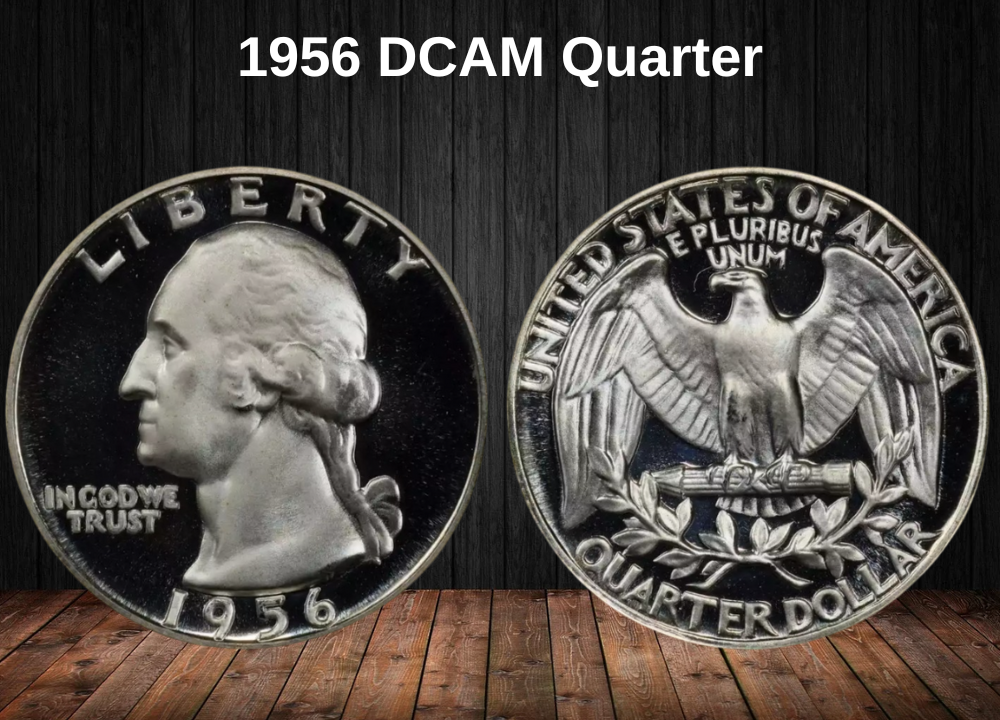
The 1956 Deep Cameo (DCAM) Proof Quarter is considered the crown jewel of the series, representing the moment when proof collecting transcends casual hobby status and enters the realm of serious obsession.
From the original 669,384 proof mintage, only about 6.72% (≈45,000 coins) qualify as true DCAM examples. The key lies in their spectacular black-and-white contrast—Washington’s portrait and the eagle appear as if carved in frosted relief, seemingly “jumping” from the deeply mirrored fields.
What makes the 1956 DCAM especially desirable is its historical context. The U.S. Mint in the mid-1950s had not yet perfected cameo consistency, meaning that full deep cameo frosting across both obverse and reverse is rare. When found, these coins represent the pinnacle of 1950s proof craftsmanship.
1956 DCAM Quarter Price/Grade Chart
| Grade | Recent Auction Record | Price Realized |
|---|---|---|
| PR67 DCAM | Jul 2022 (HA) | $111 |
| PR67 DCAM | Nov 2021 (SB) | $105 |
| PR67 DCAM | Apr 2023 (DL) | $46 |
| PR68 DCAM | Apr 2023 (DL) | $171 |
| PR68 DCAM | Feb 2025 (SB) | $125 |
| PR68 DCAM | Sep 2024 (SB) | $192 |
| PR69 DCAM | Nov 2021 (SB) | $1,020 |
| PR69 DCAM | Mar 2022 (HA) | $552 |
| PR69 DCAM | Jun 2024 (SB) | $780 |
| PR69 DCAM | Apr 2023 (SB) | $840 |
Rare 1956 Quarter Error List
1. 1956 Type B Reverse FS-901
The 1956 Type B Reverse (FS-901) is one of the most fascinating hub varieties in the Washington quarter series—often overlooked by casual collectors due to its subtlety.
This variety arose when the Mint accidentally used a reverse hub intended for proof quarters on some business strike coins. The most reliable diagnostic feature is found in the inscription “STATES”:
- Type A (normal reverse): The E and S in STATES nearly touch.
- Type B (FS-901 reverse): There is clear spacing between the E and S, a telltale sign of the proof hub.
The result is a coin that looks ordinary at first glance but, upon closer inspection, reveals itself as a wrong hub variety—an error that dramatically increases its collectability. Because the differences are subtle, many 1956 Type B reverses likely went unnoticed in circulation, adding to their scarcity today.
1956 Type B Rev FS-901 Quarter Price/Grade Chart
| Grade | Recent Auction Record | Price Realized |
|---|---|---|
| AU58 | (Sample data) | ~$150 |
| MS63 | (Sample data) | ~$250 |
| MS65 | (Sample data) | $600+ |
| MS66 | (Sample data) | $1,000+ |
Note: Auction data for FS-901 coins can be sporadic, as these varieties are often misattributed or overlooked. Prices above reflect typical market ranges for properly attributed examples.
2. 1956-D RPM FS-501
The 1956-D RPM (Repunched Mint Mark) FS-501 is a classic example of the minting quirks from the 1950s, when mint marks were still punched into dies by hand. In this variety, the Denver “D” mint mark was impressed more than once, but in slightly different positions. The result is a doubling or shadow effect around the “D,” easily visible under magnification.
While RPMs were fairly common in this era, the FS-501 stands out as one of the most dramatic and collectible repunching varieties from the 1956-D Washington quarters. Locating high-grade examples can be challenging, as circulation wear often obscures the details of the repunching.
1956-D RPM FS-501 Quarter Price/Grade Chart
| Grade | Recent Auction Record | Price Realized |
|---|---|---|
| XF40–AU50 | (Typical market range) | $30 – $75 |
| MS63 | (Sample auction) | ~$120 |
| MS65 | (Sample auction) | $250+ |
| MS66 | (Sample auction) | $400 – $600 |
Note: Actual auction records for FS-501 vary widely due to attribution inconsistency. Proper certification by PCGS or NGC significantly boosts market value.
3. 1956 FS-701 – Reverse Die Gouge
The 1956 Reverse Die Gouge FS-701 is one of those subtle varieties that rewards collectors with a sharp eye. This error was caused when the reverse die was damaged, leaving a distinctive raised line (gouge) on every coin struck before the die was retired or resurfaced.
At first glance, the gouge may look like a scratch, but unlike post-mint damage, the line is raised rather than incised, confirming its origin on the die itself.
What makes this variety especially fascinating is that it appears on both business strikes and proof coins. On proofs, the mirror-like fields highlight the gouge even more dramatically, creating pieces that carry higher premiums among variety specialists.
1956 FS-701 Reverse Die Gouge Quarter Price/Grade Chart
| Grade | Business Strike Value | Proof Value |
|---|---|---|
| XF–AU | $25 – $60 | N/A |
| MS63 | ~$120 | ~$200 |
| MS65 | $250 – $350 | $400 – $600 |
| MS66–PR66 | $600+ | $1,000+ |
Note: Market values vary as this error is often overlooked; properly attributed coins certified by PCGS/NGC bring strong premiums.
4. 1956 Reverse Die Gouge FS-701 CAM
The 1956 Reverse Die Gouge FS-701 in Cameo represents a true condition rarity, combining two desirable features in one coin: a recognized die variety and the frosted cameo contrast prized by proof specialists.
The FS-701 variety is caused by damage to the reverse die, which left a raised line (gouge) visible on all coins struck before the die was retired. On Cameo proofs, this gouge is highlighted even more dramatically thanks to the mirror-like fields and frosted devices, making the variety easier to spot and significantly more appealing.
Because both Cameo designation and variety attribution must align, these coins are exceptionally scarce and attract competition from both variety collectors and proof specialists.
1956 Reverse Die Gouge FS-701 CAM Quarter Price/Grade Chart
| Grade | Recent Auction Record | Price Realized |
|---|---|---|
| PR66 CAM | (Sample market range) | $300 – $450 |
| PR67 CAM | (Sample market range) | $600 – $900 |
| PR68 CAM | (Sample market range) | $1,200 – $1,800 |
Note: Auction appearances for this variety are rare; premiums depend heavily on cameo strength and visibility of the gouge.
5. 1956 Reverse Die Gouge FS-701 DCAM
The 1956 Reverse Die Gouge FS-701 in Deep Cameo (DCAM) is the holy grail of this variety, where extreme scarcity collides with breathtaking visual perfection.
This variety combines two elite attributes:
- The FS-701 die gouge—a raised line caused by die damage during production.
- The Deep Cameo designation—with frosted devices floating above deeply mirrored fields.
Because only about 6.72% of 1956 proofs survive in true DCAM condition, the odds of finding one with the FS-701 variety are astronomically low. When such a coin does surface, the gouge line appears with almost theatrical clarity, standing out against the dramatic black-and-white contrast.
For both variety specialists and Deep Cameo enthusiasts, this issue represents the ultimate trophy coin—a marriage of mint error and proof perfection rarely seen in mid-century numismatics.
1956 Reverse Die Gouge FS-701 DCAM Quarter Price/Grade Chart
| Grade | Recent Auction Record | Price Realized |
|---|---|---|
| PR66 DCAM | (Sample market range) | $1,200 – $1,800 |
| PR67 DCAM | (Sample market range) | $2,500 – $3,500 |
| PR68 DCAM | (Sample market range) | $5,000+ |
Note: Confirmed auction appearances are exceptionally rare. Prices above reflect market expectations for properly attributed and certified pieces.
Where to Sell Your Quarter Coin?
Now that you know the value of your quarter, the next step is deciding where to sell it. There are several trusted options—both online and in person—that can help you get the best price depending on your coin’s rarity and condition.
To see the full list of recommended places, along with their advantages and disadvantages, check our complete guide on where to sell your quarter coins.
FAQ About the 1956 Washington Quarter
1. Why is the 1956 Quarter important to collectors?
The 1956 Washington Quarter was struck in 90% silver and is part of the pre-1965 silver quarter era. While it is not a key date, it’s valued for its silver content and for being one of the better-struck coins of the 1950s, often found in higher grades.
2. Which mints produced the 1956 Quarter?
This year, the coin was struck only at Philadelphia (no mint mark) and Denver (“D”). No San Francisco quarters were minted in 1956, which makes the year stand out for collectors building a complete set.
3. Are there notable errors or varieties for the 1956 Quarter?
Yes. Collectors look for Repunched Mintmarks (RPMs) on the Denver issues and occasional Doubled Die Obverses (DDOs). Other errors such as off-center strikes and clipped planchets are also collected, though scarcer.
4. How much is a 1956 Quarter worth today?
Circulated examples are generally worth $5–$15, slightly above silver melt. Mint State coins (MS65) can range from $75–$200, while superb gems (MS67+) can exceed $1,000. Varieties like RPMs in high grade can push values even higher.
5. What should collectors look for in a 1956 Quarter?
Key details include sharp definition in Washington’s curls and the eagle’s breast feathers. Pay extra attention to Denver issues for RPMs. Coins with original luster and no signs of cleaning are far more desirable. Certification by PCGS or NGC adds credibility and value, especially for Mint State or error examples.